Science
-
Philanthropy in action: Alumna Roberta Gordon invests in students for Earth’s future
Roberta Gordon bridges science, law, and philanthropy for environmental progress
-
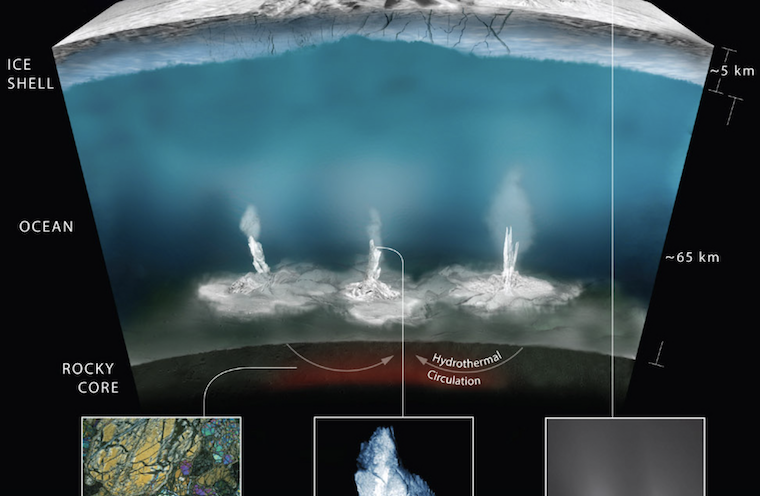
Hydrothermal vents on seafloors of ‘ocean worlds’ could support life, new study says
Many lines of research suggest that some ocean worlds release enough heat internally to drive hydrothermal circulation under their seafloors. This heat is generated by radioactive decay, as occurs deep in the Earth, with additional heat possibly generated by tides.
-
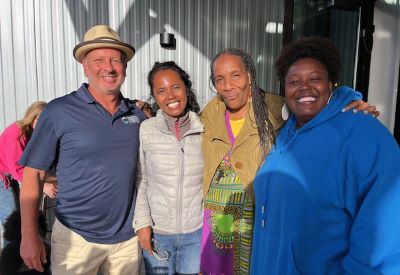
UC Santa Cruz’s Center for Coastal Climate Resilience partners with BIMS to incorporate perspectives from Black marine scientists
Today, UC Santa Cruz’s Center for Coastal Climate Resilience (CCCR) and Black in Marine Science (BIMS) announce a formal partnership to meet shared aims to expand opportunities for Black scholars, particularly for understanding risks to coastal communities from climate change and identifying solutions that reduce these risks.
-

Ph.D. student leads effort to open Kosovo’s first observatory
Earth’s newest observatory will open to the public on June 20, 2024, coinciding with the summer solstice, thanks in large part to a UC Santa Cruz student from Kosovo who discovered her love of astronomy as a child amidst the chaos of the country’s brutal war for independence over 20 years ago.
-
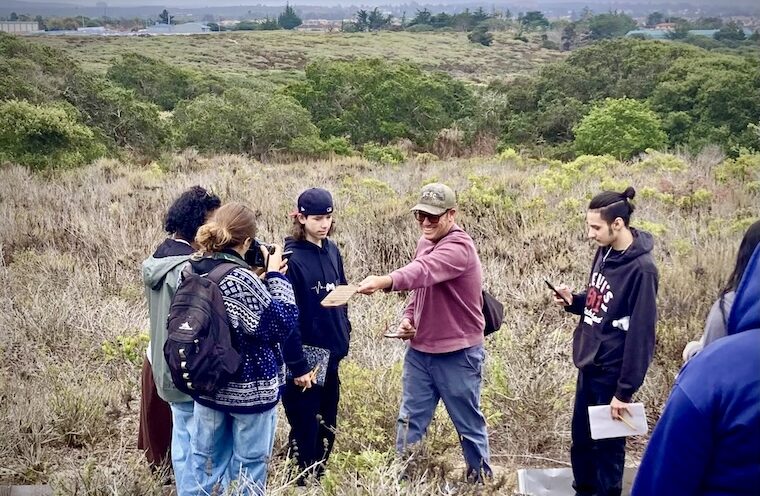
Fort Ord reserve inspires youth to consider careers in natural science, conservation
As the only full-time staff member at UC Santa Cruz’s Fort Ord Natural Reserve, Director Joe Miller doesn’t need to create more work for himself. And yet, he’s managed to do just that by successfully partnering with a nearby charter high school that brings students onto the 610-acre property to teach them about local natural…
-
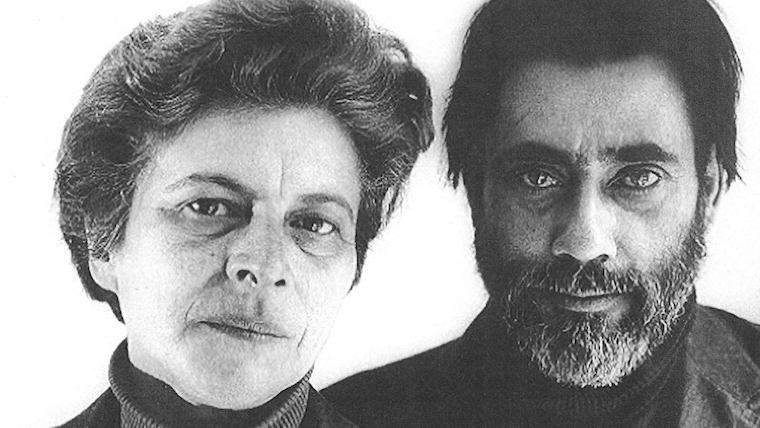
The Harrisons’ ‘Survival Piece #5: Portable Orchard’ on display at the Whitney
Survival Piece #5: Portable Orchard conceived and designed in 1972 by leading pioneers of the eco-art movement and UC Santa Cruz emeriti professors Helen Mayer Harrison (1927–2018) and Newton Harrison (1932–2022) will be exhibited at the Whitney Museum of American Art in New York starting on June 29, 2024.
-

Earliest, most distant galaxy discovered with James Webb Space Telescope
An international team of astronomers today announced the discovery using NASA’s James Webb Space Telescope (JWST) of the two earliest and most distant galaxies yet confirmed, dating back to only 300 million years after the Big Bang.
-
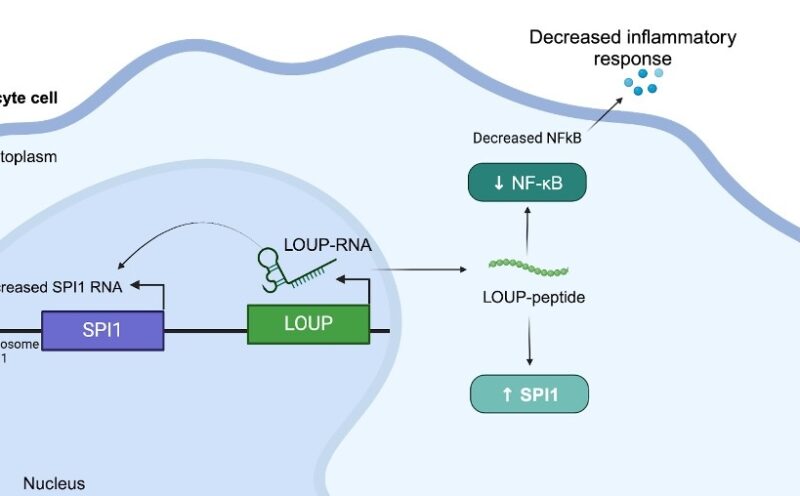
New study discovers tiny target on RNA to short-circuit inflammation
UC Santa Cruz researchers have discovered a peptide in human RNA that regulates inflammation and may provide a new path for treating diseases such as arthritis and lupus. The team used a screening process based on the powerful gene-editing tool CRISPR to shed light on one of the biggest mysteries about our RNA.
-

New exoplanets catalog showcases diverse, exotic worlds
Our understanding of exoplanets, those strange worlds that orbit stars beyond our solar system, is now broader and deeper thanks to separate studies published this week featuring the work of researchers at UC Santa Cruz.
-
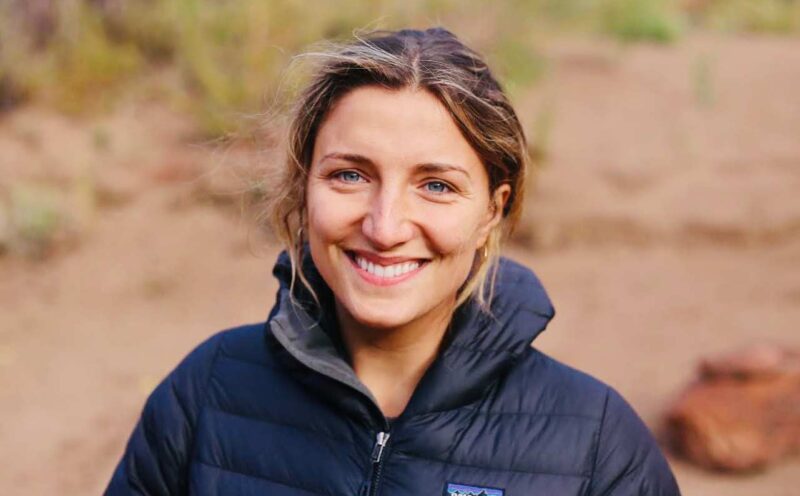
Finding the most natural solutions to climate change
From a young age, Rae Taylor-Burns knew she wanted to help solve the planet’s most pressing issue.
-
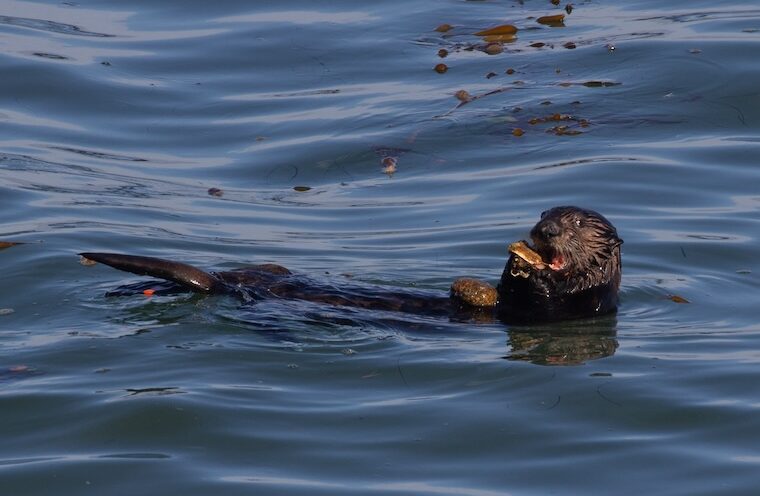
Sea otters use tools when feeding to survive a changing world
Sea otters are one of the few animals that use rocks and other objects to access their food, and a new study has found that individual sea otters that use tools—most of whom are female—can eat larger prey and reduce tooth damage when their preferred prey becomes depleted.
-
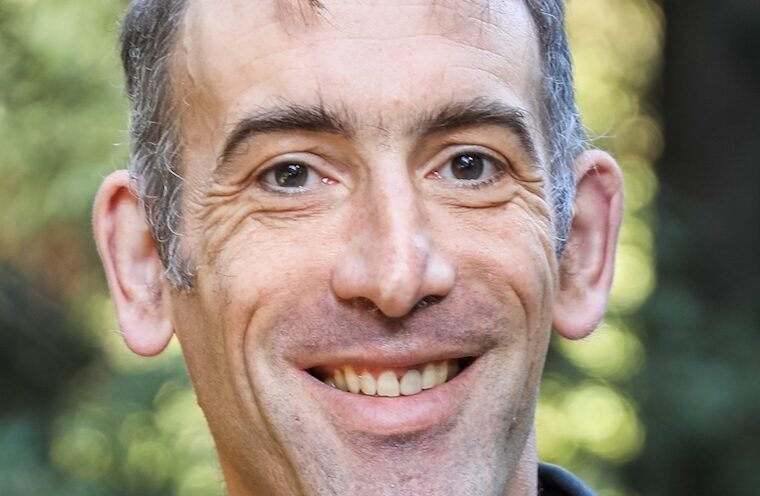
Francis Nimmo elected to prestigious fellowship of UK’s Royal Society
Francis Nimmo, professor of earth and planetary sciences, has been named a fellow of the Royal Society, the UK’s national academy of sciences. The society announced today the election of 90 researchers from around the world as new fellows, citing their “invaluable contributions to science.”