Science
-
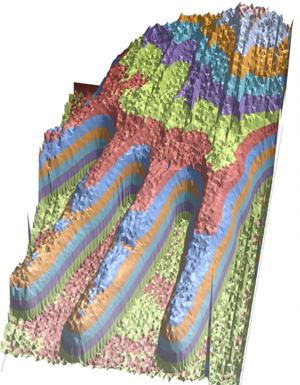
Image of hand shows progress toward proton radiography
Researchers developing a new medical imaging technology that uses protons instead of x-rays presented the first proton radiographic image of a hand.
-

UCSC physicist inducted into American Academy of Arts and Sciences
UCSC faculty member Peter Young was among 180 influential artists, scientists, scholars, authors, and institutional leaders who were inducted into the American Academy of Arts and Sciences at a ceremony earlier in October at the academy’s headquarters in Cambridge, Massachusetts.
-
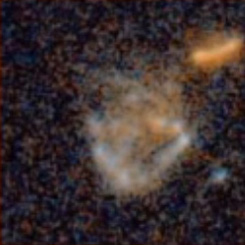
Astronomers uncover a surprising trend in galaxy evolution
A comprehensive study of hundreds of galaxies has revealed an unexpected pattern of change that extends back 8 billion years.
-
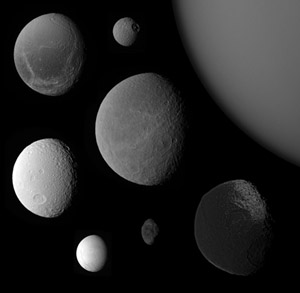
Giant impact scenario may explain the unusual moons of Saturn
The middle-sized moons of Saturn may have been spawned during giant impacts in which several major satellites merged to form Titan.
-

Extraordinary achievement, social consciousness celebrated at gala event
Honorees of 6th annual Founders Celebration Dinner share one of UCSC’s core goals: ‘Leaving the world a better place’
-

Astronomer boldly addresses big issues in the cosmos
UK’s Astronomer Royal Martin Rees discusses space and humankind’s stewardship of our ‘precious, pale-blue dot’ at sixth annual Foundation Forum.
-
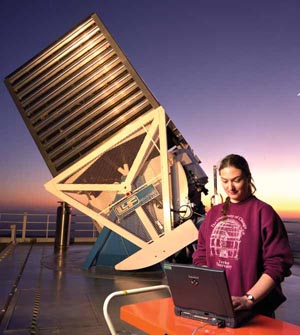
Mapping the Sky
Astronomy professor Connie Rockosi is a bright light in the Sloan Digital Sky Survey, which aims to discover how our galaxy was born
-
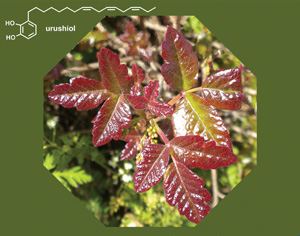
UCSC chemist develops spray to detect poison oak’s toxic oil
Researchers have developed a spray that can be used to detect poison oak’s toxic oil on clothes and equipment, and potentially on skin.
-

White shark diets vary with age and among individuals
Many white sharks shift from fish to marine mammals as they mature, but individual sharks show surprising variability in a study by UCSC researchers.
-

Moore Foundation grant funds study of Tohoku earthquake fault
New grant funds seismologist Emily Brodsky’s research on the devastating Tohoku earthquake that struck Japan in March 2011.
-
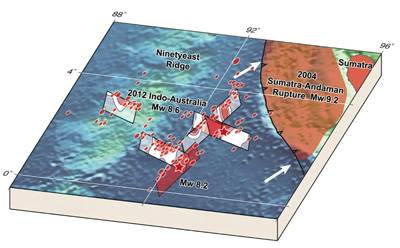
Study reveals complex rupture process in surprising 2012 Sumatra quake
The April 2012 great earthquake near Sumatra involved a complicated faulting process unlike anything seen before.
-
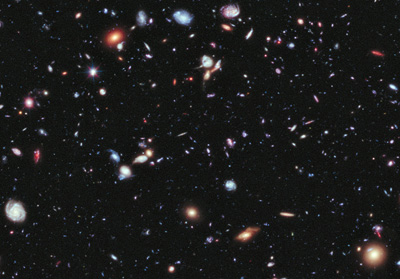
Hubble produces deepest ever view of the universe
UCSC astronomer Garth Illingworth’s team assembled the “eXtreme Deep Field” image of distant galaxies.