Science
-

Biologist Erika Zavaleta receives Science Division’s Outstanding Faculty Award
The Science Division has announced that Erika Zavaleta, a professor in the Ecology and Evolutionary Biology Department, has won its 2023-24 Outstanding Faculty Award. The annual prize is the division’s highest honor for faculty achievement, recognizing combined excellence in research, teaching, and service.
-
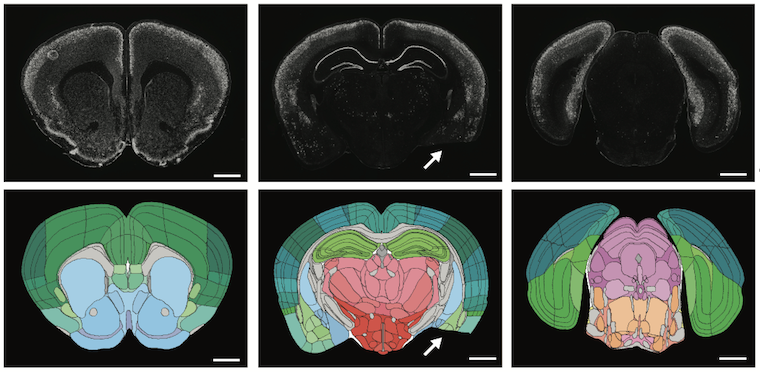
Student-built app slashes weeks off brain mapping to speed up neuroscience research
UC Santa Cruz neuroscientists aiming to better understand how specific brain connectivity contributes to perception, thoughts, and behavior are leveraging artificial intelligence to enhance their study of brain function. By integrating AI, they are streamlining the process of aligning thin slices of mouse brain tissue with a reference atlas, helping to identify key details such…
-

Explaining how our biological clocks work and how to better regulate our circadian rhythms
As anticipation builds for the longer days that follow this weekend’s switch to daylight savings time, the moment seemed ideal to turn to one of the nation’s leading circadian-rhythms researchers, UC Santa Cruz’s Carrie Partch.
-
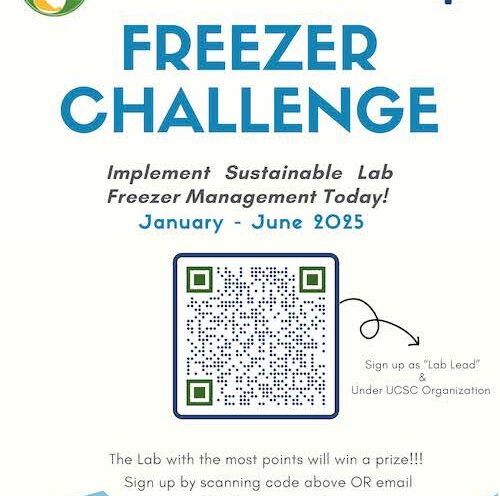
Join the 2025 International Freezer Challenge
The UC Santa Cruz Office of Sustainability is excited to announce campus participation in the 2025 International Laboratory Freezer Challenge, a global initiative promoting sustainable cold storage practices. This is a fantastic opportunity for labs across UCSC to reduce energy use, improve efficiency, and contribute to our campus sustainability goals.
-
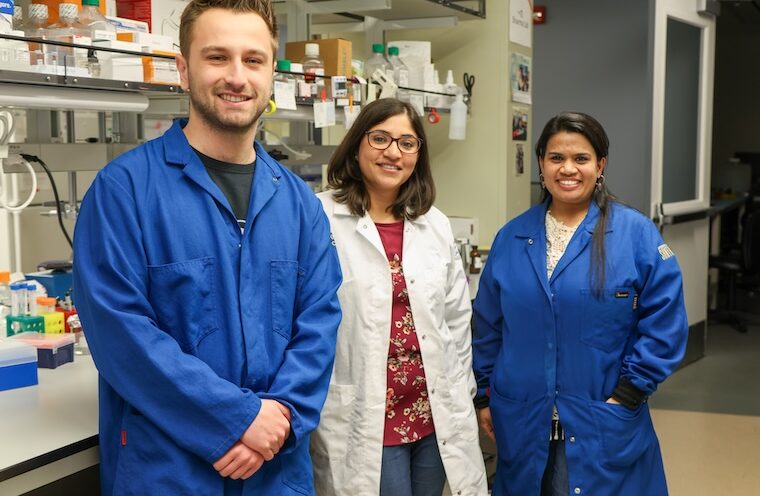
New biology study reveals four novel genes required for male fertility in mice
The pioneering research of UC Santa Cruz’s Upasna Sharma to determine how a father’s life experiences and environment can influence the health and wellbeing of his children moves forward with the recent discovery of four genes required for male fertility and the creation of specific RNA molecules in sperm.
-
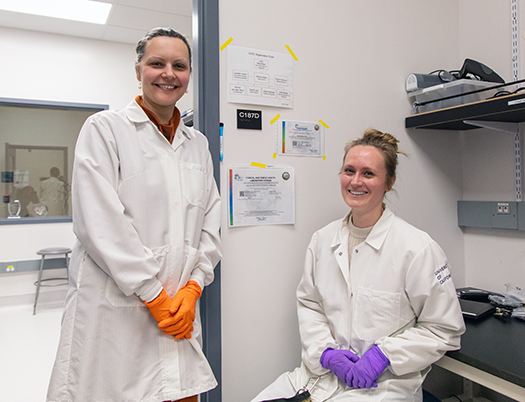
Clinical pediatric cancer lab at UC Santa Cruz is cleared to accept and test patient samples
The UC Santa Cruz Colligan Clinical Diagnostic Laboratory has received its CLIA certificate of registration from the California Department of Public Health, which clears the way for it to begin accepting patient samples.
-
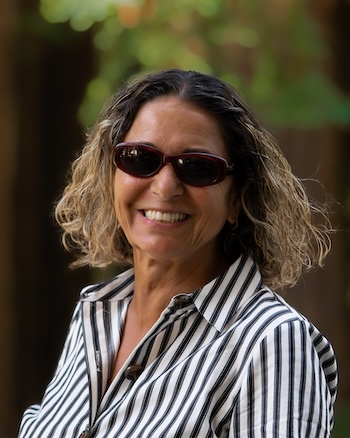
UC Santa Cruz ocean scientist Adina Paytan honored for international research leadership
Adina Paytan, a professor in the Earth and Planetary Science Department and the Institute of Marine Science, has been awarded the Tommy and Yvette Edmondson Distinguished Service Award by the Association for the Sciences of Limnology and Oceanography.
-

UC Santa Cruz welcomes future STEM leaders for annual MESA Day competitions
Pre-college students to showcase STEM skills through a day of hands-on challenges and interactive learning on March 1.
-

Tools and training combat health impacts on farmworkers that are worsened by climate change
A UC Santa Cruz-led project has launched a new bilingual app allowing the public to assess and anonymously report climate-related health risks in agricultural communities statewide. Over 50 newly trained community health advisers will use the app and other tools to teach farmworkers about health risks worsened by climate change and the remedies available through…
-
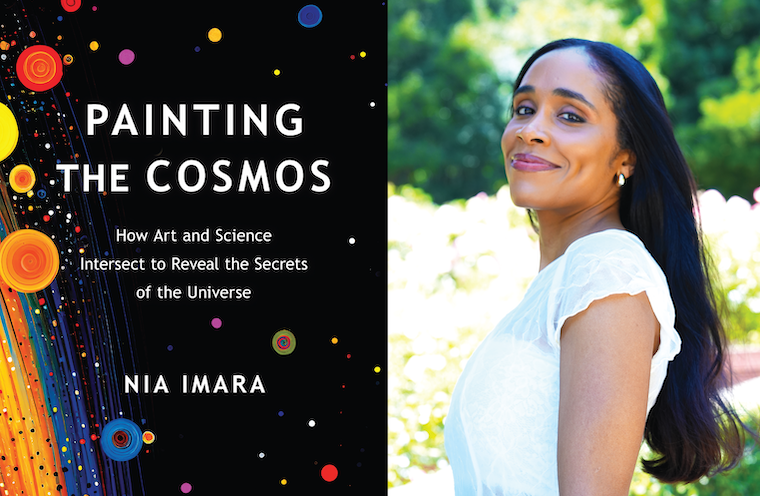
Astrophysicist explores interconnectedness of art and science
A new book by UC Santa Cruz astrophysicist and visual artist Nia Imara debuts tomorrow that explains the universe and traces how art has blended with science throughout human history.
-

Turning opportunity into impact
UCSC student Cali Kimura is pursuing a career in women’s health and finds motivation with Weiss Family Scholarship award
-
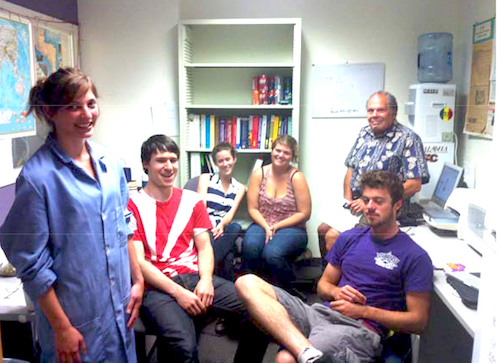
Phillip Crews honored with inaugural ASP Mentorship Award
Distinguished Professor of Chemistry and Biochemistry Phillip Crews has been selected as the inaugural recipient of the American Society of Pharmacognosy (ASP) Phillip Crews Mentorship Award.