Ocean Sciences
-

Fostering diversity, equity, and inclusion in ocean sciences
Oceans Sciences DEI and Anti-Racism fund raises awareness about diversity in the geosciences and helps graduate students from disadvantaged backgrounds succeed in the field.
-
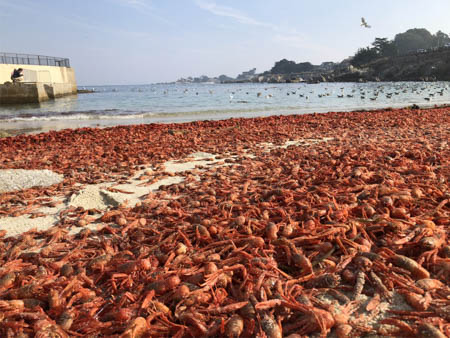
Unusual currents explain mysterious red crab strandings
New findings suggest that abnormal ocean currents cause the occasional appearance of pelagic red crabs outside their native range.
-
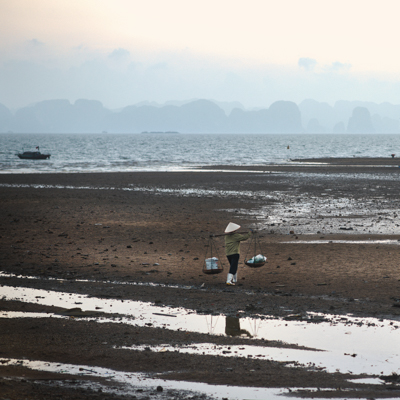
Dialogues, collaborations, and the success of ‘slow science’
With funding from the Henry Luce Foundation, the new Southeast Asian Coastal Interactions Initiative takes a methodical approach to worldwide social and environmental challenges
-

Dead zones formed repeatedly in North Pacific during warm climates, study finds
Over the past 1.2 million years, marine life was repeatedly extinguished in low-oxygen ‘dead zones’ in the North Pacific Ocean during warm interglacial climates.
-
Legendary oceanography professor has made sea changes in students’ lives
Devoted professor and beloved mentor Gary Griggs has no plans to step down—or even slow down—after 53 years of teaching, advising, and advocating for the environment.
-
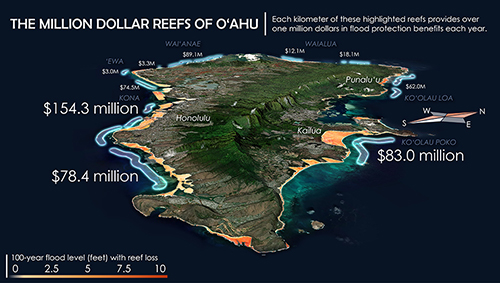
Coral reefs prevent more than $5.3 billion in potential flood damage for U.S. property owners
A new study reveals how valuable coral reefs are in protecting people, structures, and economic activity in the United States from coastal flooding during storms.
-

Changes in ocean chemistry show how sea level affects global carbon cycle
A new analysis of strontium isotopes reveals how the global carbon cycle has responded to changes in climate and sea level through geologic time.
-
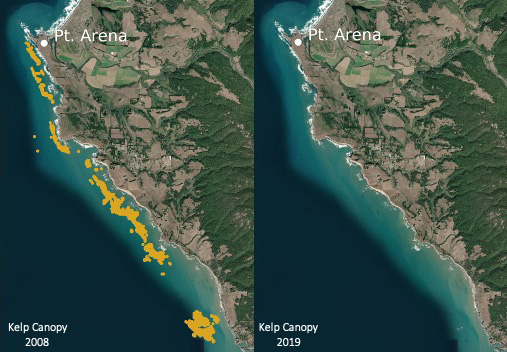
The collapse of Northern California kelp forests will be hard to reverse
Most of Northern California’s kelp forest ecosystem is gone, replaced by widespread ‘urchin barrens’ that may persist long into the future, according to a new study.
-
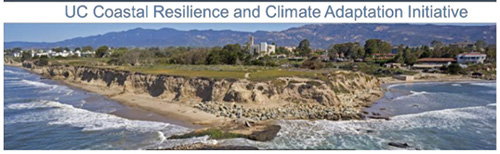
UCSC leads multicampus initiative on coastal resilience and climate adaptation
A UC-funded initiative will bring together researchers at the Santa Cruz, Santa Barbara, and San Diego campuses to address pressing issues for California’s coastal communities.
-
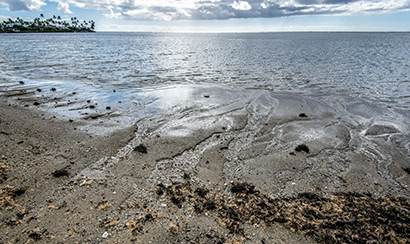
New analysis highlights importance of groundwater discharge into oceans
A global assessment of the impact of groundwater on ocean chemistry is important for understanding the weathering of rocks and its effects on climate.
-
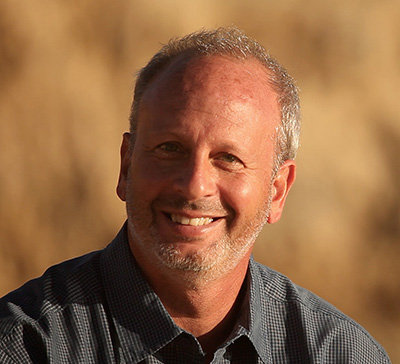
AXA Chair at UC Santa Cruz funds efforts to build coastal resilience naturally
Marine scientist Michael Beck was awarded the chair to support his work on natural defenses to enhance coastal resilience to flooding, erosion, and sea level rise.
-
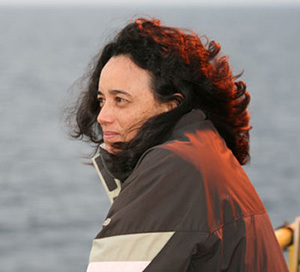
Ocean scientist Christina Ravelo honored as a Fellow of the California Academy of Sciences
Christina Ravelo, professor of ocean sciences at UC Santa Cruz, has been selected by the California Academy of Sciences to join the ranks of Academy Fellows.