Ocean Sciences
-

Three UC Santa Cruz faculty members named 2024 AAAS fellows
David Deamer, Theodore Holman, and Raphael Kudela awarded lifetime honor
-
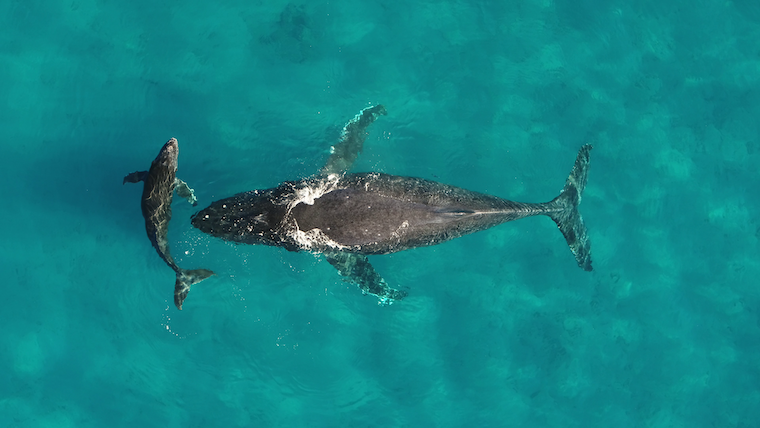
Whale waste helps health of oceans by funneling nutrients to the tropics, new study shows
New research shows that whales move nutrients thousands of miles—in their pee and poop—from as far as Alaska to Hawaii, supporting the health of tropical ecosystems and fish. UC Santa Cruz professors Dan Costa and Ari Friedlaender contributed their marine-mammal expertise to the study, which was published on March 10 in the journal Nature Communications.
-
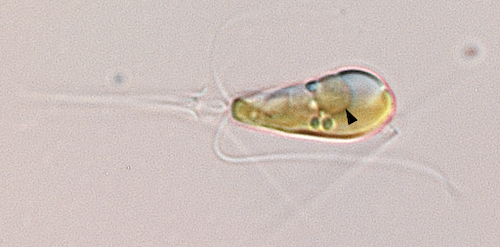
AAAS names UC Santa Cruz organelle discovery most outstanding paper in 2024
The discovery by UC Santa Cruz researchers of a new organelle within single-celled algae that converts nitrogen gas into ammonia continues to be celebrated by the science community, this time by winning the prestigious AAAS Newcomb Cleveland Prize.
-
Students make winning videos about importance of federal support for science research
Impactful scientific discovery isn’t possible without funding to support the research, and three UC Santa Cruz students have created short videos that took top prizes in a national competition held by the Science Coalition, a nonprofit, nonpartisan organization dedicated to sustaining the federal government’s investment in basic scientific research.
-
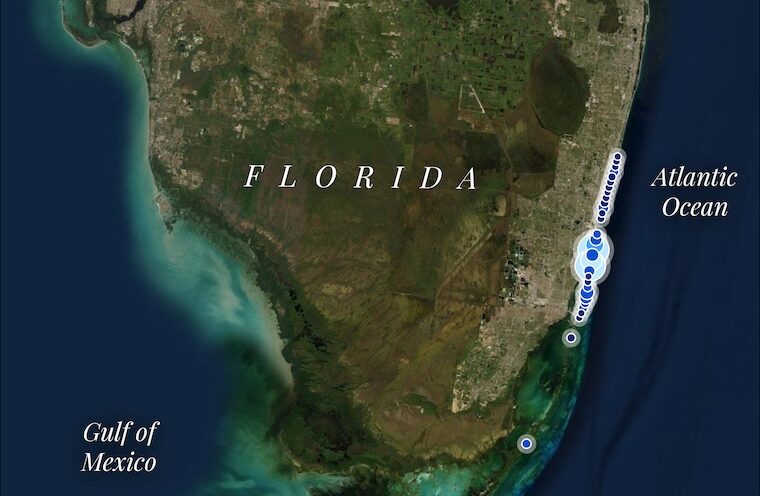
Coral-reef restoration can be cost-effective for saving lives, money
A new study co-led by the Center for Coastal Climate Resilience (CCCR) at UC Santa Cruz shows coral reef restoration in Florida and Puerto Rico could save thousands of lives and prevent hundreds of millions of dollars in damage and economic interruption each year.
-
Professor J. Xavier Prochaska to deliver December 4 Kraw Lecture
The Kraw Lecture Series aims to help audiences better understand the big picture behind scientific research at UC Santa Cruz and the broader trends at play. This tradition continues with the December 4 talk on how artificial intelligence (AI) is accelerating the scientific pursuit.
-
24 in 2024: list of most highly cited researchers includes UC Santa Cruz scientists and engineers
In a notable recognition of scholarly achievement, 24 scientists and engineers from UC Santa Cruz have earned a spot on the 2024 Highly Cited Researchers list, recently unveiled by Clarivate.
-
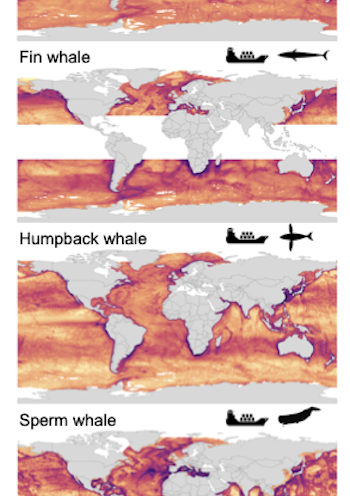
Fewer than 7% of global hotspots for whale-ship collisions have protection measures in place
A UC Santa Cruz scientist who specializes in research at the intersection of big data and marine-life conservation has contributed to a new study that shows the vast majority of “hotspots” where ships collide with whales in the world’s oceans lack protections for the majestic giants.
-
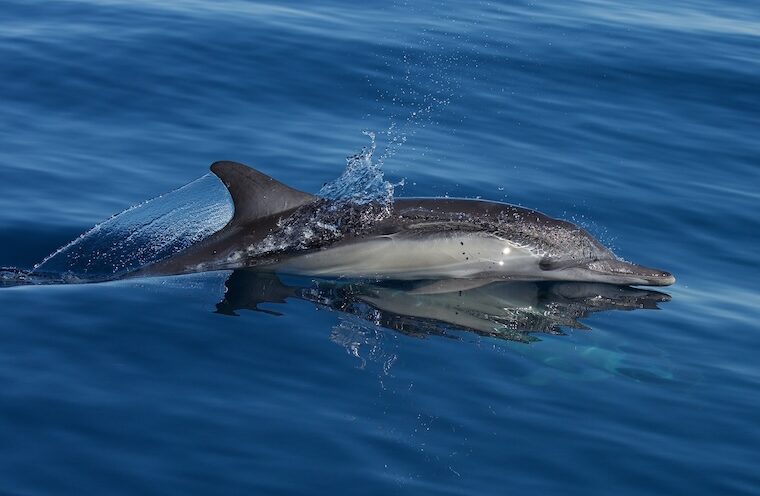
Dolphins sense military sonar at much lower levels than regulators predict
For the first time ever, a team including several UC Santa Cruz scientists have directly measured the behavioral responses of some of the most common marine mammals to military sonar. And the finding that surprised them most was that these animals were sensitive to the sounds at much lower levels than previously predicted.
-
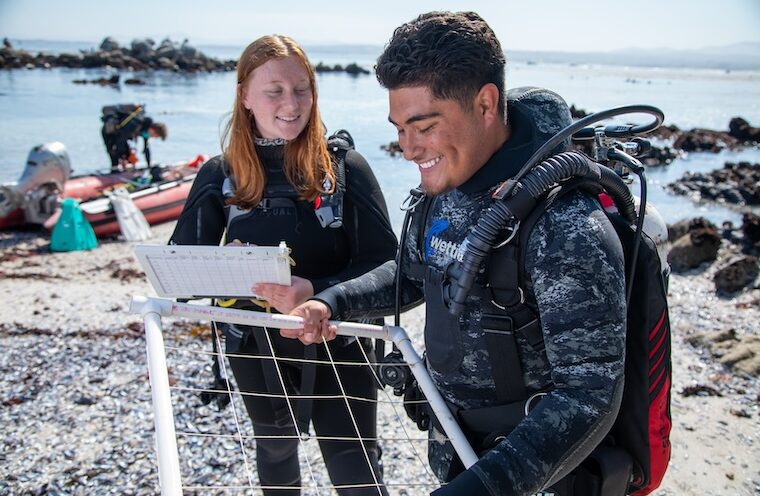
Science Division debuts ‘degree-defining experiences’ drawing on UC Santa Cruz’s unique strengths
The Science Division has received a $1 million donation to begin a major new program on “degree-defining experiences.” The program will pilot 17 projects across campus that aim to profoundly inspire undergraduate students and fill them with the kind of optimism that forever changes how they see their time at UC Santa Cruz and their…
-

Global warming is happening, but not statistically ‘surging,’ new study finds
The new study, published on October 14 in the journal Nature Communications Earth & Environment, confirms the broad consensus that the planet is getting warmer, but at a statistically steady rate—not at a sufficiently accelerated rate that could be statistically defined as a surge.
-
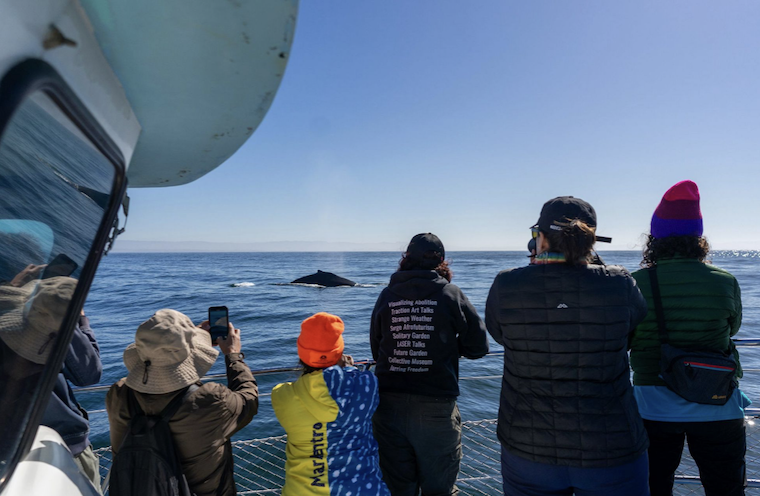
“An Aesthetics of Resilience” fosters interdisciplinary conversations and research
Commencing last fall, An Aesthetics of Resilience is a collaborative research initiative between UC Santa Cruz’s Institute of the Arts and Sciences (IAS) and Friedlaender Lab that creatively addresses shared experiences of vulnerability in the face of ongoing climate crises.