Ocean Sciences
-
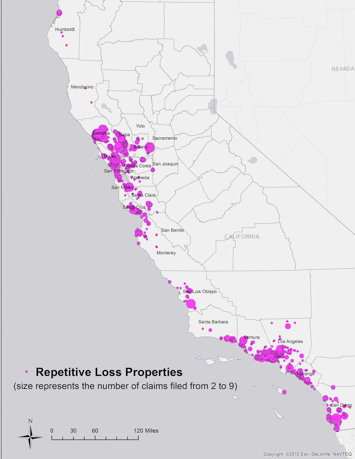
Study identifies ways to reduce flood risk while protecting natural habitat
Scientists from UC Santa Cruz and The Nature Conservancy release a timely report as forecasts indicate El Niño could bring dangerous flooding to California.
-
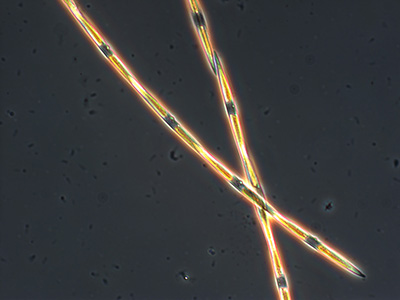
Record-setting toxic algae bloom persists along U.S. West Coast
An extensive bloom of toxic algae along the West Coast has waxed and waned since it first appeared in early May, but it hasn’t gone away.
-
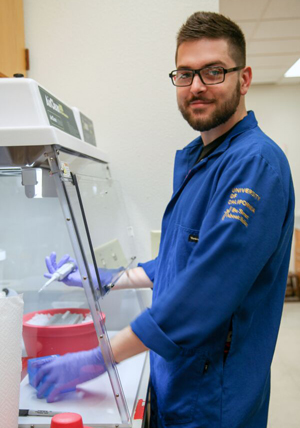
Undergrads experience the rewards of research
Students such as Sanjin Mehic showcase one of UC Santa Cruz’s most valuable opportunities—the chance to do original research as an undergraduate.
-
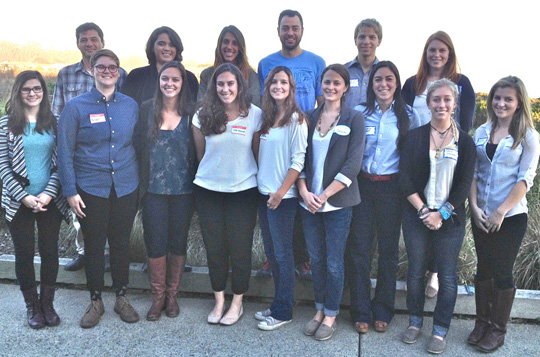
Friends of Long Marine Lab supports 17 student research projects
From sea otters to sea level rise, Student Research and Education Awards will support a wide range of student research projects.
-
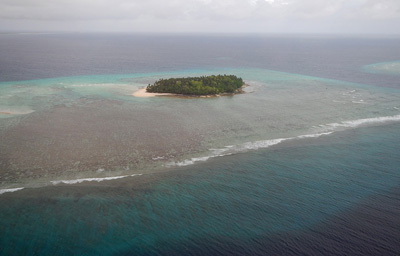
Report projects future wave and wind effects on Pacific islands
Climate changes during the 21st century are expected to alter the highest waves and strongest winds across U.S.-affiliated Pacific Islands.
-

UC Santa Cruz grad student among veterans honored by National Science Foundation
Ocean sciences grad student John Koster was one of 11 military veterans recognized in an event at NSF headquarters.
-
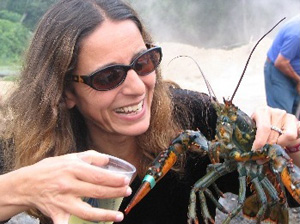
Marine scientist Adina Paytan honored by Geochemical Society
Adina Paytan, a research scientist in the Institute of Marine Sciences, will be honored as a Geochemical Fellow.
-
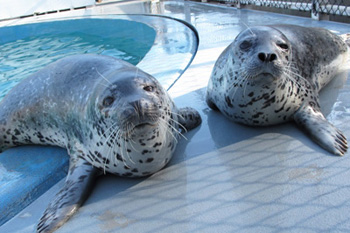
Spotted seal study reveals sensitive hearing in air and water
Two spotted seals at Long Marine Lab are giving scientists a rare opportunity to learn about how these arctic seals perceive their environment.
-
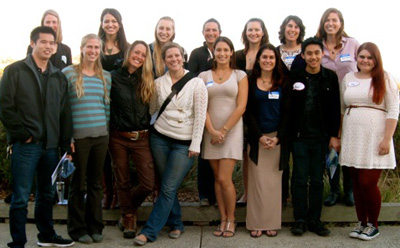
Friends of Long Marine Lab supports 16 student research projects
Friends of LML Student Research and Education Awards will support studies of sea otters, sperm whales, extreme waves, and more.
-
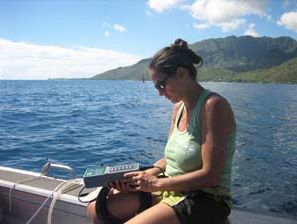
Marine scientist Adina Paytan honored at AGU meeting
Adina Paytan was chosen to give the Rachel Carson Lecture at the 2013 Fall Meeting of the American Geophysical Union in San Francisco.
-

Deep-sea corals record dramatic long-term shift in Pacific Ocean ecosystem
Long-lived deep-sea corals preserve evidence of a major shift in the open Pacific Ocean ecosystem since around 1850.
-
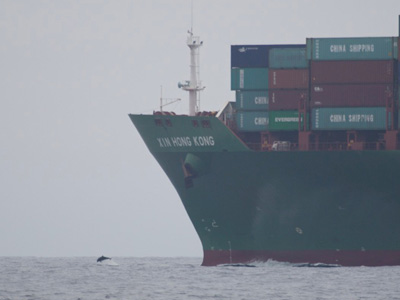
Study maps human impacts on top ocean predators along U.S. west coast
Research shows where human impacts are highest on marine predators such as whales, seals, seabirds, and turtles.