Molecular, Cell & Developmental Biology
-

Genomes in the Wild: A Q&A with Professor Joanna Lynne Kelley on Evolution, Extremes, and Hibernating Bears
At UC Santa Cruz’s Coastal Science Campus, Kelley is uncovering how life endures in extreme environments.
-
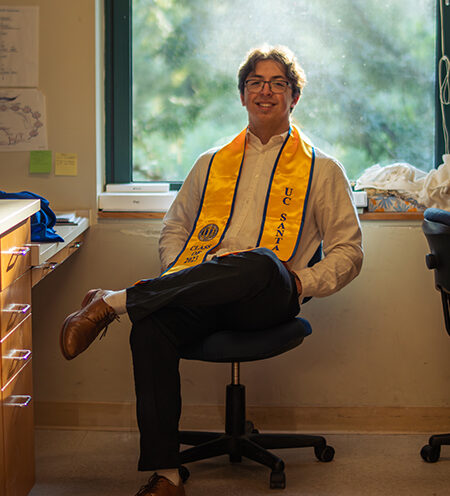
From Santa Cruz to Johns Hopkins
A year after graduating UCSC, Ozzy Bagno (Cowell ’23, molecular, cellular and developmental biology) is pursuing his Ph.D. at one of the top medical schools in the country, Johns Hopkins University School of Medicine.
-
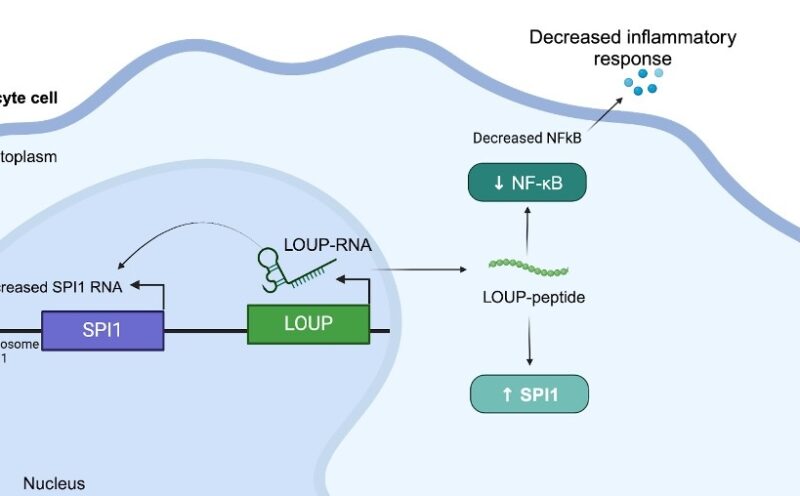
New study discovers tiny target on RNA to short-circuit inflammation
UC Santa Cruz researchers have discovered a peptide in human RNA that regulates inflammation and may provide a new path for treating diseases such as arthritis and lupus. The team used a screening process based on the powerful gene-editing tool CRISPR to shed light on one of the biggest mysteries about our RNA.
-
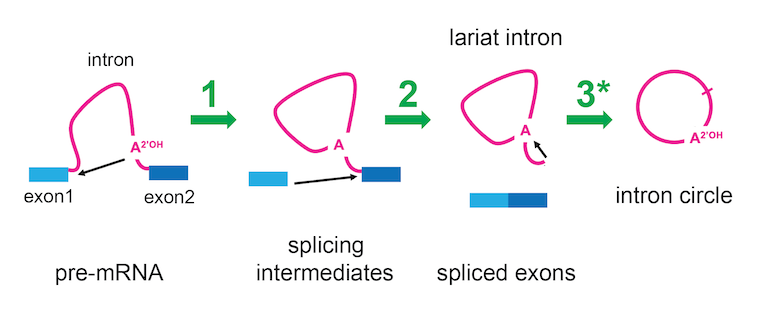
New study discovers cellular activity that hints recycling is in our DNA
Introns are perhaps one of our genome’s biggest mysteries. They are DNA sequences that interrupt the sensible protein-coding information in your genes, and need to be “spliced out.”
-
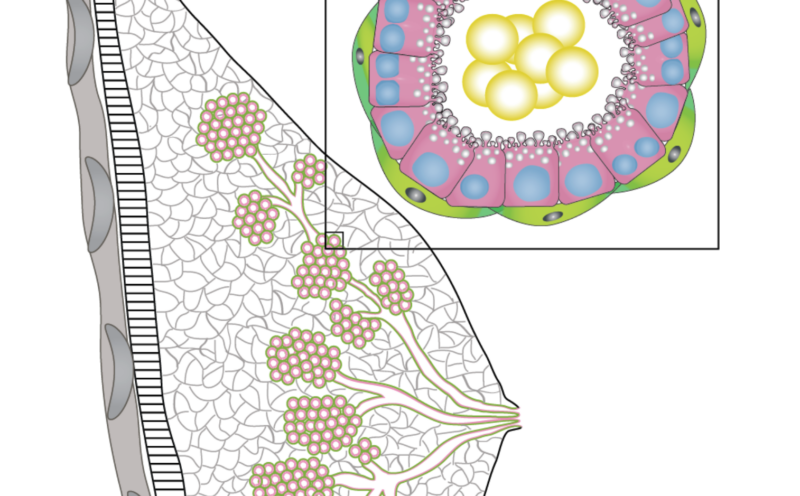
UC Santa Cruz scientists reveal new path to increasing lactation for nursing mothers
Scientists at UC Santa Cruz have discovered a cellular process in the breast that can increase milk production by pregnant women, revealing a potential path to addressing lactation insufficiency syndrome—the inability of a nursing mother to produce sufficient milk to meet their infant’s nutritional needs.
-
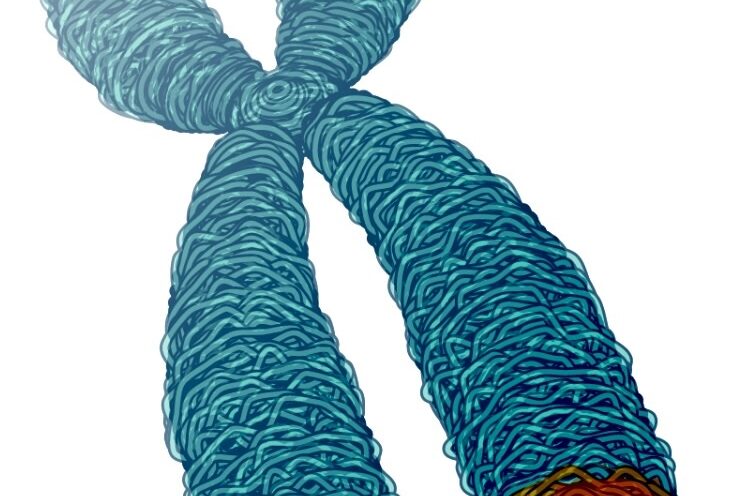
New study finds potential targets at chromosome ends for degenerative disease prevention
Published online today in Science, a new study finds that telomere lengths follow a different pattern than has thus far been understood. Instead of telomere lengths falling under one general range of shortest to longest across all chromosomes, this study finds that different chromosomes have separate end-specific telomere-length distributions.
-
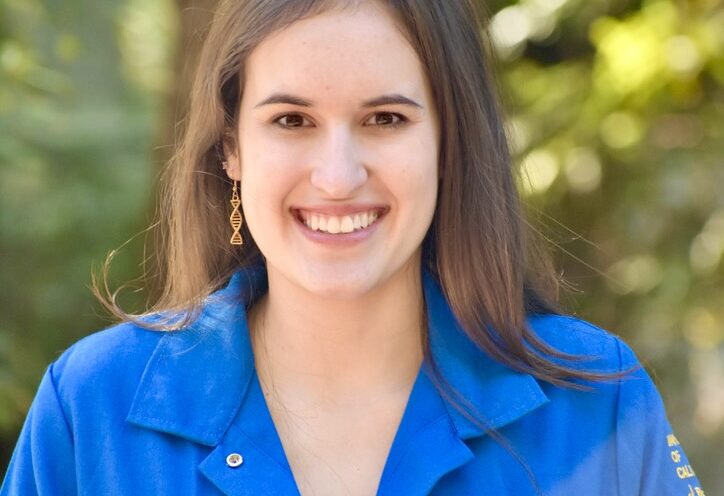
Ph.D. student takes gut-wrenching research to the stage
Natalie Pedicino, a Ph.D. student in Molecular, Cell, and Developmental Biology, will bolt up to San Francisco on May 3 to distill her past three years of research into a three-minute lightning talk that will test her stage presence and science-communication skills.
-
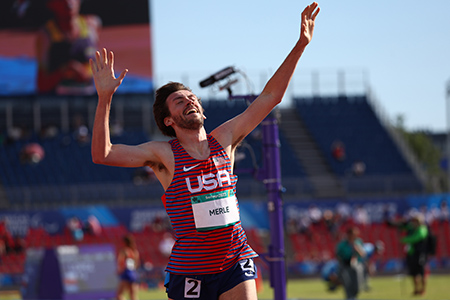
Crafting smiles and setting records on the track: An alumnus’s unique dual-pursuit
Alumnus Leo Merle is juggling two major life goals: graduate from the University of Michigan with a doctorate in dentistry, and be the first American with cerebral palsy to run the 1,500 meter race in less than four minutes at the 2024 Paris Paralympics.
-

UCSC’s 2023 iGEM team grabs fourth consecutive gold medal and nomination for best software tool at international competition
A team of UC Santa Cruz students won a gold medal at the 2023 International Genetically Engineered Machine (iGEM) Grand Jamboree, marking their fourth consecutive year of bringing home the prize, and were nominated as best software tool for the first time.
-
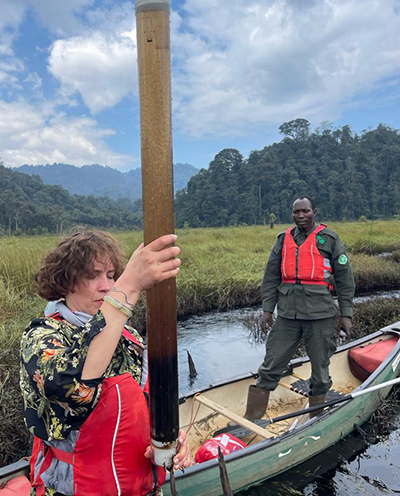
New eDNA Explorer provides a powerful new resource for conservation
CALeDNA has launched a prototype of their new eDNA Explorer, an open-source tool that provides a powerful and easily accessible platform for sharing, exploring, and analyzing data from projects that use environmental DNA.
-
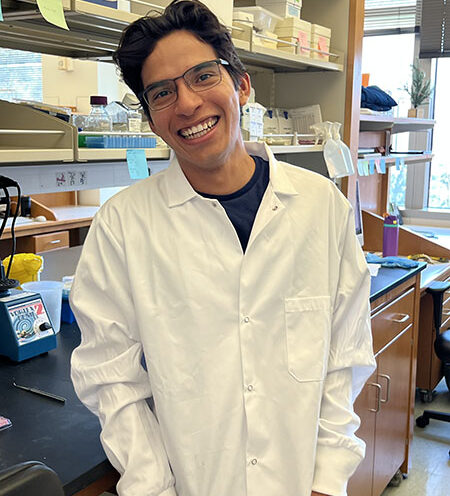
Life Beyond the Redwoods: Benny Mosqueira participates in groundbreaking research one year after graduating from UCSC
One year after graduating from UCSC, Benny Mosqueira is a research assistant for MCD Biology Assistant Professor D’Juan Farmer’s lab at UCLA.
-

Bacteria can enhance host insect’s fertility with implications for disease control
New research led at UC Santa Cruz reveals how the bacteria strain Wolbachia pipientis enhances the fertility of the insects it infects, an insight that could help scientists increase the populations of mosquitoes that do not carry human disease.