Molecular, Cell & Developmental Biology
-

Innovative ‘Studies in Medicine’ course will be offered online to all UC students
Developed by UC Santa Cruz biology professor Grant Hartzog and local physician Dr. Greg Gates, the popular course examines the field of medicine through a historical and philosophical lens.
-
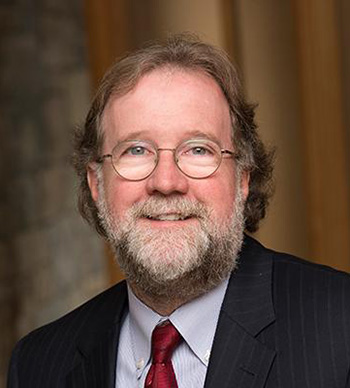
Award-winning biologist and writer Sean B. Carroll to speak at UC Santa Cruz
Carroll will give the 2018 Sinsheimer Lecture on Thursday, May 10, followed by a free screening of the film ‘The Serengeti Rules’ on May 11 at the Rio Theater.
-

UC Santa Cruz graduate programs rank among best in nation in U.S. News survey
The U.S. News and World Report’s 2019 Best Graduate Schools guide evaluates graduate schools in business, education, engineering, law, medicine, nursing, social work, criminology, public affairs, and the sciences.
-

Mothers in science offer solutions to the conference-childcare conundrum
A Working Group of Mothers in Science has proposed guidelines for scientific conferences to remove barriers for parents.
-
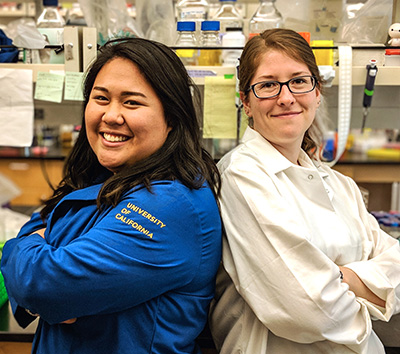
State program funds lung cancer research at UC Santa Cruz
The California Tobacco-Related Disease Research Program has awarded $1.8 million in grants and fellowships to UCSC biomedical researchers.
-
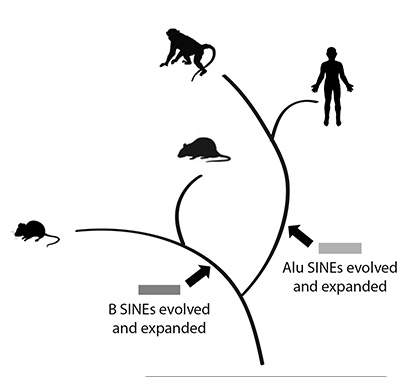
Study finds convergent evolution of gene regulation in humans and mice
Molecular biologists have found evidence of convergent evolution in an important mechanism of gene regulation in humans and mice.
-
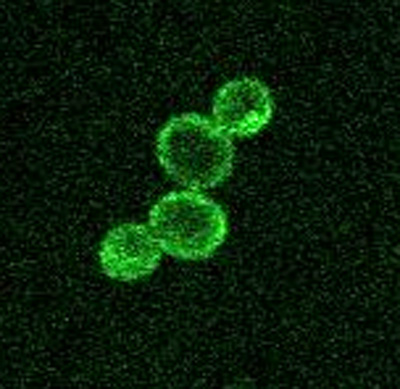
Unraveling the mechanisms that control cell growth and size
Scientists studying how cells control their size and growth rate are closing in on fundamental mechanisms that are common to all cells and are disrupted in cancer.
-
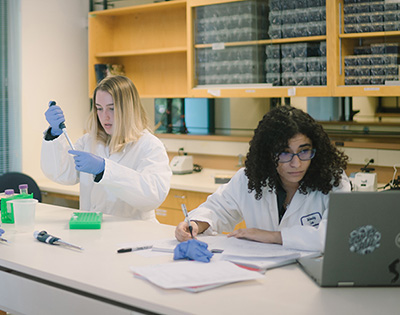
MCD Biology launches undergraduate biomedical research initiative
Biology professor Jeremy Sanford is taking a bold new approach to the undergraduate biology lab experience.
-
Local cancer charity group funds four cancer researchers at UC Santa Cruz
The Santa Cruz Cancer Benefit Group has given more than $450,000 in grants to the campus since 2005.
-
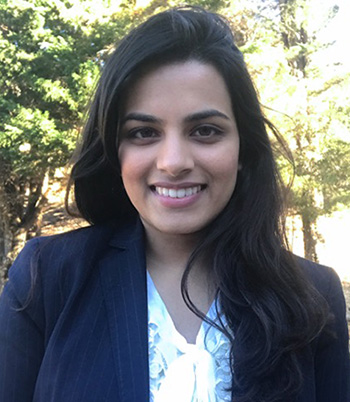
UC Santa Cruz student Saloni Gupta earns Sutter scholarship for medical school
Saloni Gupta, a senior studying human biology, was awarded the annual Primary Care Physician award, a $10,000 scholarship.
-
First-generation stories: Headed to UCLA to continue cancer research
Our podcast catches up with new grad Hector Navarro, a first-generation college student who’s off to big things.
-
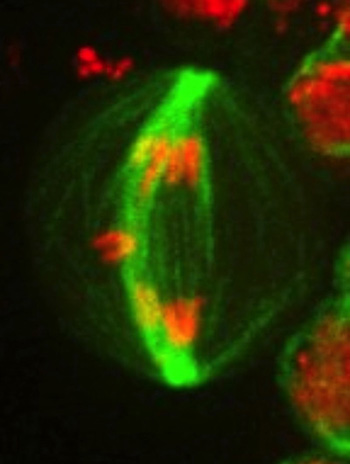
‘Hail Mary’ mechanism can rescue cells with severely damaged chromosomes
Understanding the mechanisms involved in chromosome repair, and how they can fail, may lead to new strategies to combat cancer.