Microbiology & Environmental Toxicology
-

State ban on lead ammunition supported by years of research at UCSC
Environmental toxicologists documented the effects of lead from bullets on wildlife and testified before legislative committees
-

Bacteria may protect against disease caused by stomach infection
Stomach microbes influence whether H. pylori infection causes disease, researchers find.
-

Historic legacy of lead pollution persists despite regulatory efforts
Efforts to reduce lead pollution have paid off in many ways, yet the problem persists and will probably continue to affect the health of people and animals well into the future.
-

Mercury in coastal fog linked to upwelling of deep ocean water
Scientists have found clues to how mercury gets into coastal fog in California.
-
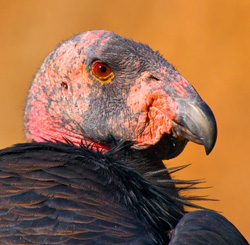
Lead poisoning blocks recovery of California condor population
Study confirms lead-based ammunition as primary source of lead in condors and shows population cannot recover as long as lead contamination persists.
-
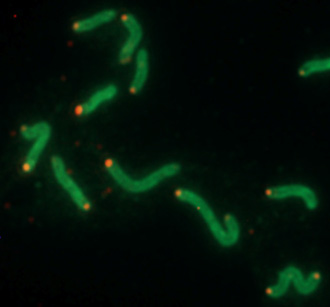
Ulcer-causing bacteria tamed by defect in cell-targeting ability
Without the ability to swim to their targets in the stomach, ulcer-causing bacteria do not cause the inflammation of the stomach lining that leads to ulcers and stomach cancer.
-

UCSC cholera biofilm team wins Deloitte QB3 Award for Innovation
A team of UC Santa Cruz researchers working to find new drugs to fight cholera has won a $10,000 Award for Innovation
-

UCSC team makes final round of QB3 Award for Innovation contest
A UCSC research team is among five finalists competing for online votes to win a $10,000 innovation prize.
-

Fulbright Scholar Program funds prof’s environmental work in Chile
Environmental toxicologist Russell Flegal is busy with teaching and research projects during a six-month visit to Chile as a Fulbright Scholar.
-

Microbiologist to discuss bacteria for bioenergy on Tuesday, November 9
Caroline Harwood, a distinguished microbiologist from the University of Wisconsin, will discuss microbial production of hydrogen gas as a biofuel in a lecture at UCSC on Tuesday, November 9.
-
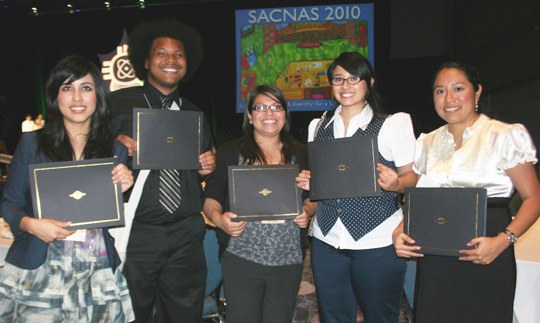
UCSC students earn awards at SACNAS national conference
Four UCSC students received awards for their research presentations at the 2010 SACNAS National Conference held in Anaheim in October.
-
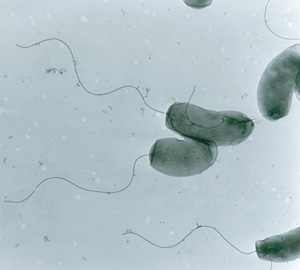
Cholera bacteria show adaptability to changing environments
Understanding the behavior of cholera bacteria between epidemics and how the pathogen moves between different environments could help prevent outbreaks.