Coastal Science & Policy
-
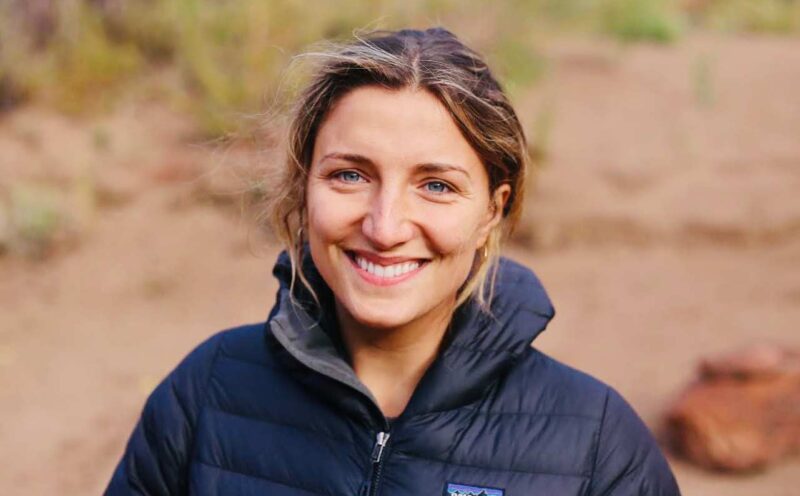
Finding the most natural solutions to climate change
From a young age, Rae Taylor-Burns knew she wanted to help solve the planet’s most pressing issue.
-
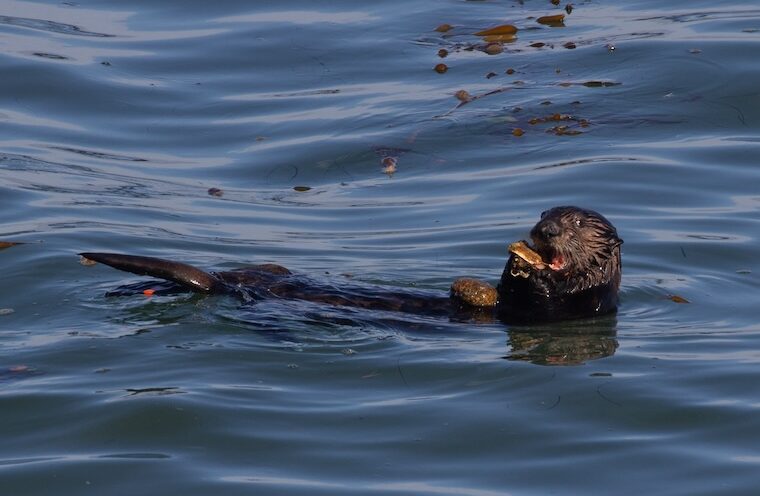
Sea otters use tools when feeding to survive a changing world
Sea otters are one of the few animals that use rocks and other objects to access their food, and a new study has found that individual sea otters that use tools—most of whom are female—can eat larger prey and reduce tooth damage when their preferred prey becomes depleted.
-
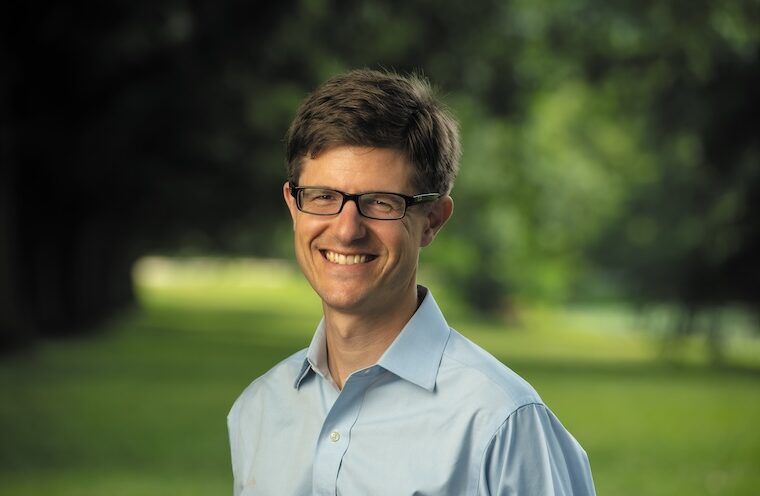
UC Santa Cruz biologist tapped to contribute to national report on nature’s role in society
For America’s first-ever report on nature’s inherent worth, and its contributions to the economy, our health and well-being, UC Santa Cruz’s Malin Pinsky will co-author a chapter on nature and climate change. He is a professor of ecology and evolutionary biology and one of 10 authors contributing to the chapter.
-
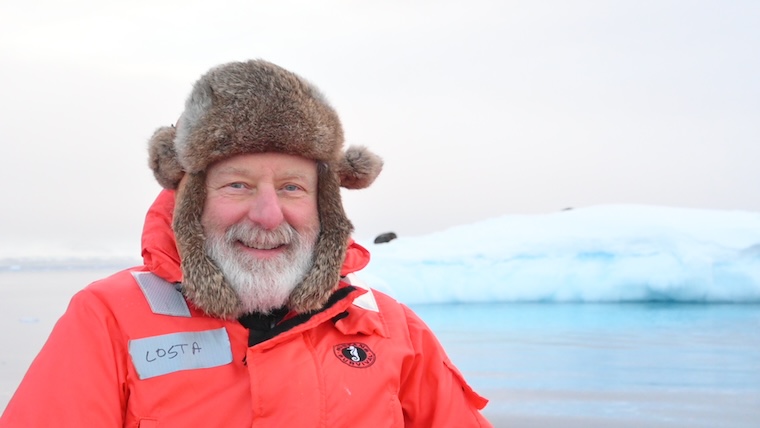
Ecological Society of America names Dan Costa a lifetime fellow
Dan Costa, distinguished professor of ecology and evolutionary biology and director of UC Santa Cruz’s Institute of Marine Sciences, has been named a 2024 Fellow of the Ecological Society of America.
-
Three UC Santa Cruz faculty members named 2023 AAAS fellows
Three UC Santa Cruz faculty members have been named 2023 fellows of the American Association for the Advancement of Science: Diane Gifford-Gonzalez, emerita distinguished research professor of anthropology; longtime journalist Robert Irion, emeritus director of UC Santa Cruz’s science communication master’s degree program; and acclaimed paleo-geneticist Beth Shapiro, professor of ecology and evolutionary biology.
-

Scientists discover first nitrogen-fixing organelle
In two recent papers, an international team led by UC Santa Cruz scientists describe the first known nitrogen-fixing organelle within a eukaryotic cell. The organelle is the fourth example in history of primary endosymbiosis — the process by which a prokaryotic cell is engulfed by a eukaryotic cell and evolves beyond symbiosis into an organelle.
-

UC Santa Cruz researchers value salt marsh restoration as a crucial tool in flood risk reduction and climate resilience in the San Francisco Bay
Salt marsh restoration can mitigate flood risk and bolster community resilience to climate change in our local waterways, according to a recent study published in Nature by a postdoctoral fellow with UC Santa Cruz’s Center for Coastal Climate Resilience (CCCR).
-
Balancing carbon sequestration and community benefits
UCSC student Cole Seither addresses the delicate balance between agroforestry, carbon sequestration, and community benefits in combating climate change. His research is supported by the Earth Futures Institute’s Frontier Fellows program.
-
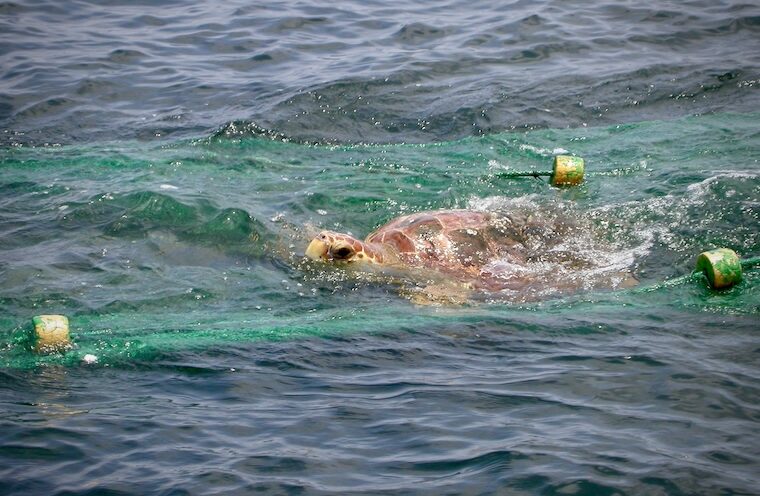
Industrial fishing poses greater risk to marine life due to untracked activity, UC Santa Cruz researchers find
A new study led by a scientist at UC Santa Cruz’s Institute of Marine Sciences finds that blue whales, tunas, and other top predators in the northeast Pacific Ocean face greater risk of harm from industrial fishing than previously thought.
-
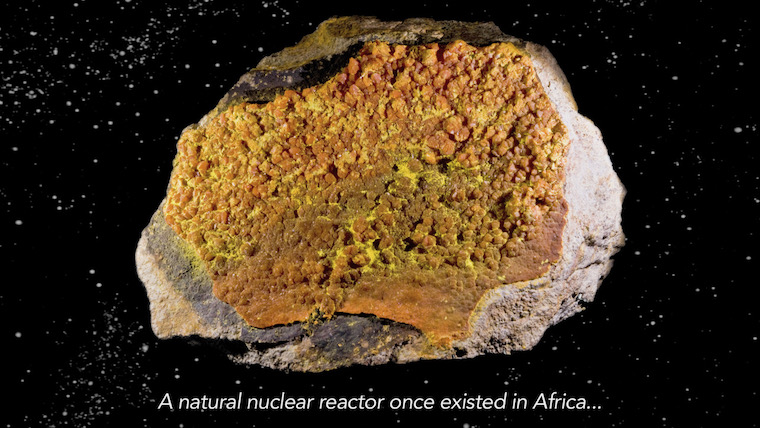
The Center for Creative Ecologies presents “Nuclear Nows: Contemporary Art, Radiation, and Militarized Ecologies”
This two-part symposium is the work of Zoe Weldon-Yochim, a Ph.D. Candidate in Visual Studies, in collaboration with T.J. Demos, Professor in the Department of the History of Art and Visual Culture and Director of the Center for Creative Ecologies, and will discuss the intersection of contemporary art, militarized ecologies, and nuclear nationalism.
-
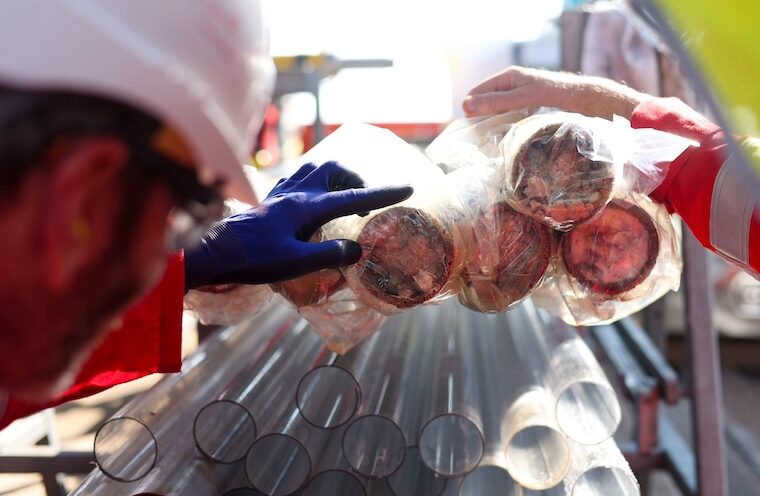
Scientists begin to crack open climate-change riddles hiding in ancient coral
An international team of researchers on an expedition co-led by UC Santa Cruz Professor Christina Ravelo collected cores of fossil coral off the coast of Hawai’i to look for signs of climate and sea-level change over the past half million years.
-
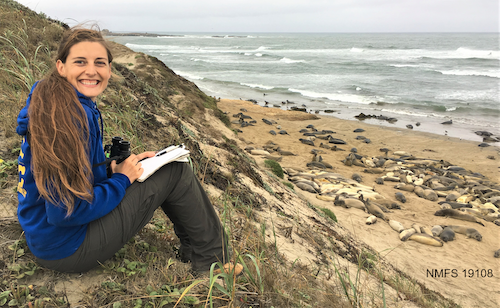
Two UC Santa Cruz scientists named 2024 Sloan Research Fellows
Assistant Professors Roxanne Beltran and Jacqueline Kimmey have been awarded Sloan Research Fellowships, one of the most prestigious honors bestowed on early-career scientists, each receiving $75,000 to delve into new areas of research in their respective fields of marine ecology and microbiology.