Coastal Science & Policy
-
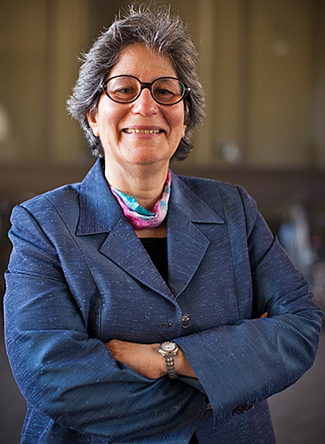
UCSC climate conference draws distinguished scientists, policymakers
Distinguished climate scientists, policymakers, and commentators will participate in a major national conference on climate science and climate change at UC Santa Cruz on Friday, February 28 and Saturday, March 1, 2014.
-
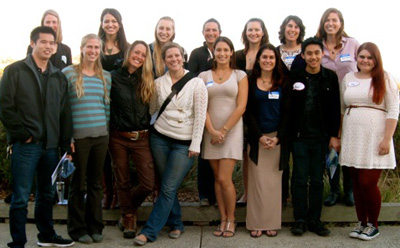
Friends of Long Marine Lab supports 16 student research projects
Friends of LML Student Research and Education Awards will support studies of sea otters, sperm whales, extreme waves, and more.
-

Decline of large carnivores creates dire environmental ripple effect
UC Santa Cruz environmental researchers contributed to an analysis of 31 carnivore species that shows for the first time how habitat loss, persecution by humans, and loss of prey combine to create global hotspots of carnivore decline.
-
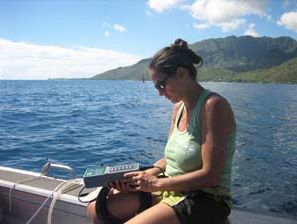
Marine scientist Adina Paytan honored at AGU meeting
Adina Paytan was chosen to give the Rachel Carson Lecture at the 2013 Fall Meeting of the American Geophysical Union in San Francisco.
-

Deep-sea corals record dramatic long-term shift in Pacific Ocean ecosystem
Long-lived deep-sea corals preserve evidence of a major shift in the open Pacific Ocean ecosystem since around 1850.
-
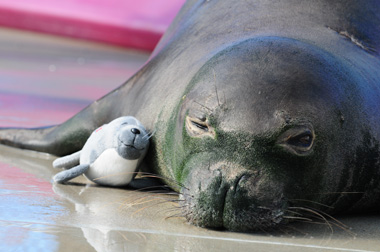
Hawaiian monk seal toy raises funds to save endangered species
A UCSC marine biologist offers cuddly “Real Seal” toys, one for each of the 1,100 Hawaiian monk seals left in the world.
-

Marine scientists track spread of sea star wasting disease
A mysterious disease that causes sea stars to decay and fall apart within a few days has become widespread along the U.S. west coast.
-

Study maps human impacts on top ocean predators along U.S. west coast
Research shows where human impacts are highest on marine predators such as whales, seals, seabirds, and turtles.
-

UCSC coastal experts testify at Assembly committee hearing
The hearing, held at Seymour Marine Discovery Center, provided information for state policy decisions.
-

UCSC’s first ‘Ed Talks’ draws crowd in downtown Santa Cruz
An enthusiastic audience of 250 community members gathered at the “Top of the Ritt” in downtown Santa Cruz last night to celebrate UCSC’s very first evening of “Ed Talks”—three TED-style talks by acclaimed UC Santa Cruz faculty.
-
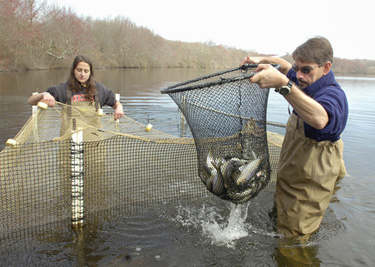
Genetic study of river herring populations identifies conservation priorities
Analysis of river herring populations along the U.S. east coast has identified distinct genetic stocks, providing crucial guidance for management and conservation.
-
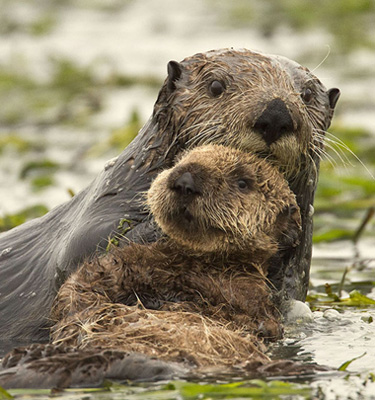
California’s sea otter numbers continue slow climb
California sea otter numbers are up, according to the latest population survey led by federal, state, and UCSC scientists.