Coastal Science & Policy
-

Formation of coastal sea ice in North Pacific drives ocean circulation and climate
New understanding of changes in North Pacific ocean circulation could lead to better global climate models.
-

Bridging science and tradition
A dedicated group of scientists has launched One People One Reef, a five-year conservation effort on Ulithi Atoll in Micronesia aimed at sustaining the ecological health of the islands—and the islanders
-

Big ideas
From saving falcons to peering into the universe, sequencing the human genome, and putting organic food on American tables, UC Santa Cruz has become known as the small university where big things happen.
-

Ecologist Kristy Kroeker wins prestigious Packard Fellowship
The Packard Fellowship supports Kroeker’s research on environmental change in dynamic environments and complex ecosystems.
-

Ocean scientist Adina Paytan to receive inaugural Dansgaard Award
The Dansgaard Award from the American Geophysical Union recognizes contributions to paleoceanography and paleoclimatology.
-

Grants fund efforts by UC Santa Cruz scientists to fight deadly bat disease
Scientists will conduct field trials this winter of two strategies for protecting bats from white-nose syndrome.
-
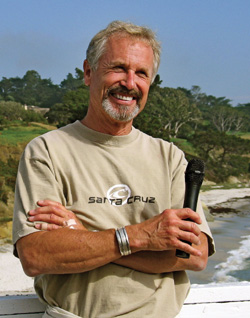
No reason to retire
In their 70s and 80s, many pioneer faculty are still working on campus—for the chance to open students’ eyes, for the excitement of discovery, and for the love of teaching.
-

Molting elephant seals add mercury to coastal seawater
UC Santa Cruz researchers traced elevated mercury levels in coastal seawater to hair shed by elephant seals.
-

Dogs, cats, and big-wave surfers: Healthy heart lessons from animals and athletes
Heart rates of big-wave surfers are among the surprises from 30 years of studying exercise physiology in people and wild animals.
-
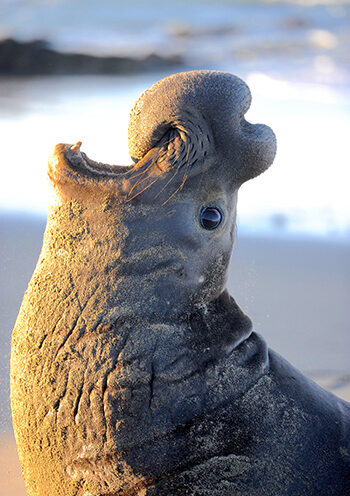
Male elephant seals use ‘voice recognition’ to identify rivals, study finds
Researchers from UC Santa Cruz have been studying the behavior of northern elephant seals at Año Nuevo State Reserve since the late 1960s.
-
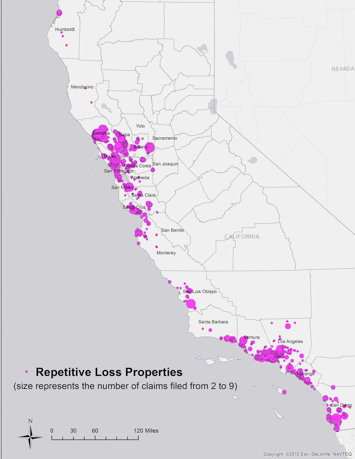
Study identifies ways to reduce flood risk while protecting natural habitat
Scientists from UC Santa Cruz and The Nature Conservancy release a timely report as forecasts indicate El Niño could bring dangerous flooding to California.
-
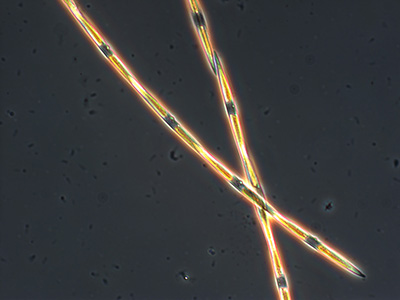
Record-setting toxic algae bloom persists along U.S. West Coast
An extensive bloom of toxic algae along the West Coast has waxed and waned since it first appeared in early May, but it hasn’t gone away.