Coastal Science & Policy
-
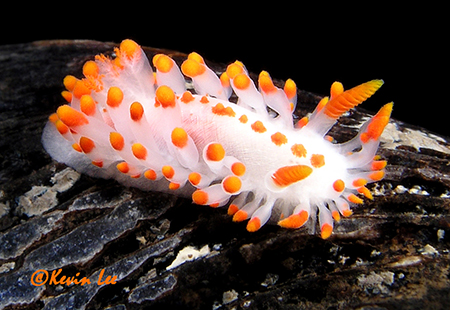
Colorful new species of sea slug named after Long Marine Lab’s Gary McDonald
McDonald, who has spent decades studying and documenting California nudibranchs (sea slugs), was honored by fellow researchers.
-
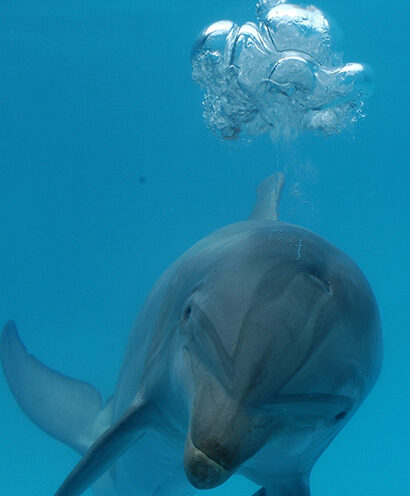
Need for speed may contribute to dolphin and whale strandings
The energetic cost of swimming at high speed when startled may be a factor in strandings of dolphins and whales.
-
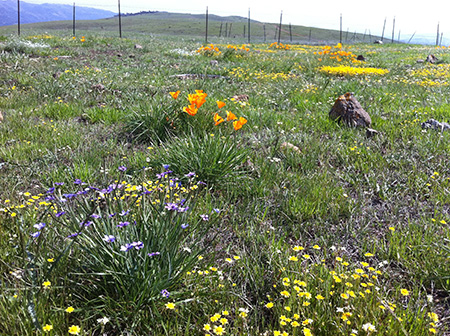
Flowering times shift with loss of species from a grassland ecosystem
Loss of biodiversity may exacerbate changes in the timing of biological events already being driven by climate change, study finds.
-

Reef madness: A coral grows at UC Santa Cruz
Hundreds of students and community members are contributing their handiwork to the Crochet Coral Reef, a massive participatory art project that combines higher geometry with handicraft while calling attention to the disappearing wonders of the marine world.
-
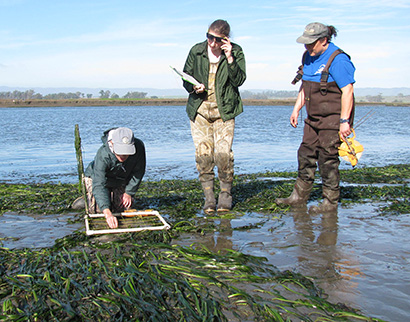
Study supports increased funding for long-term ecological research
Despite critical importance to scientists and policymakers, funding for long-term ecological and environmental studies has declined while funding for short-term studies has increased.
-

Exploring the dark waters of grief
Alumna Shannon Fowler, whose life changed in an instant with the tragic death of her fiancé, finds acceptance of death and grief—and has rediscovered her love of the ocean.
-
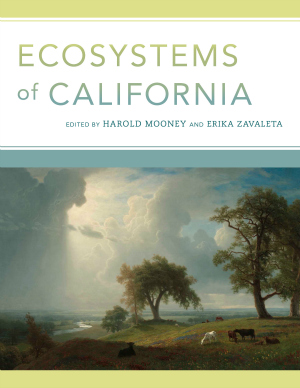
‘Ecosystems of California’ book wins PROSE Award for Excellence
Coedited by UCSC ecologist Erika Zavaleta, the book won two prestigious awards from the Association of American Publishers.
-
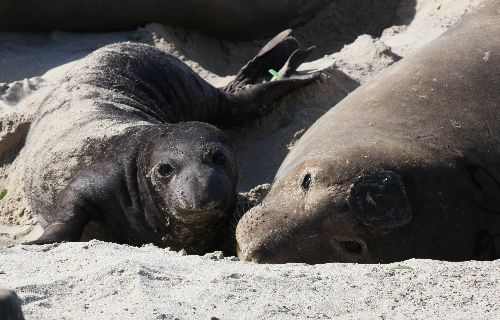
The mighty Phyllis returns after record-shattering swim
The tagged elephant seal’s landing at Año Nuevo means she swam about 7,400 miles, longer than any elephant seal recorded over two decades—then she gave birth to a baby boy.
-
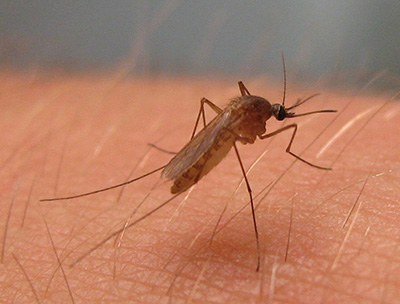
Drought identified as key to severity of West Nile virus epidemics
Researchers found that drought dramatically increases the severity of West Nile virus epidemics in the United States.
-
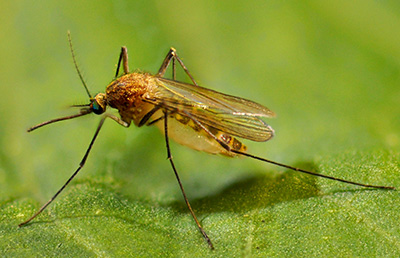
Growing mosquito populations linked to urbanization and DDT’s slow decay
Rising temperatures due to climate change were found to have less influence on mosquito populations than land use changes and the decay of residual DDT in the environment.
-
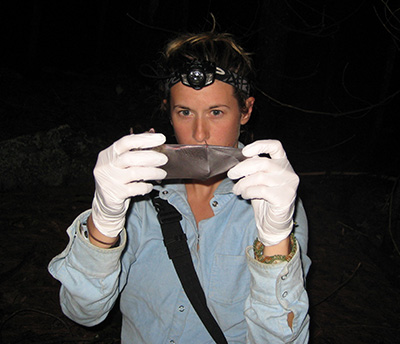
Some bats develop resistance to devastating fungal disease
White-nose syndrome has decimated the little brown bat, but researchers found populations that appear to have developed resistance to the disease.
-

Astronomer Sandra Faber awarded California Academy of Sciences Fellows Medal
The California Academy of Sciences has awarded its highest honor, the Fellows Medal, to Sandra Faber, professor emerita of astronomy and astrophysics, and elected professors Karen Holl and Erika Zavaleta as new Academy Fellows.