Coastal Science & Policy
-

Drought’s limited effect on tropical-tree growth—but hotter planet threatens that resilience
Researchers worldwide contribute to largest collection of tropical tree-ring data to date
-

UC Santa Cruz students discover sunflower sea stars keep kelp-hungry urchins at bay
Presence of well-armed predator may be one way to help decimated kelp forests recover
-

Center for Coastal Climate Resilience Fellows bridge disciplines to build resilient communities
In part two of our series highlighting CCCR fellows, we spoke with fellows who use their unique cross-disciplinary backgrounds to advance climate resilience.
-

Here’s how we help an iconic California fish survive the gauntlet of today’s highly modified waterways
New ‘facilitated migration’ framework gives water managers a playbook for getting more juvenile Chinook salmon from the Central Valley to the sea
-
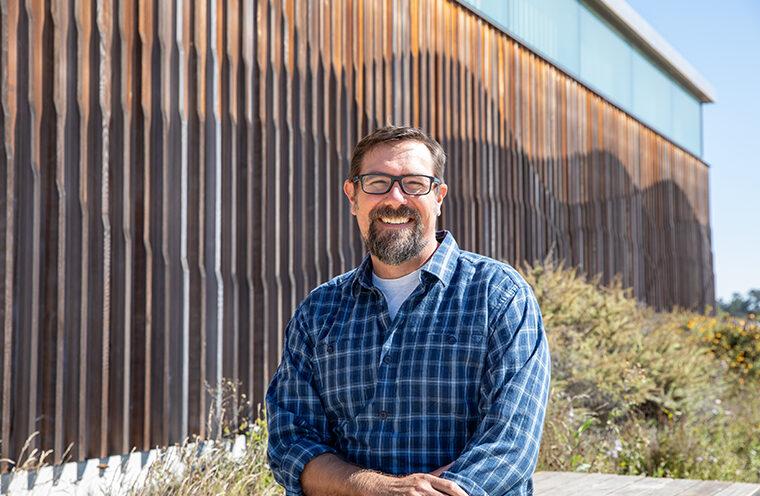
Eric Palkovacs appointed new director of Institute of Marine Sciences
The professor of ecology and evolutionary biology is also UC Santa Cruz’s associate vice chancellor for research and director of the Fisheries Collaborative Program
-

Faculty, fellows among global leaders at 2025 United Nations Ocean Conference
University of California, Santa Cruz, and the Center for Coastal Climate Resilience represented at recent international climate meetings
-
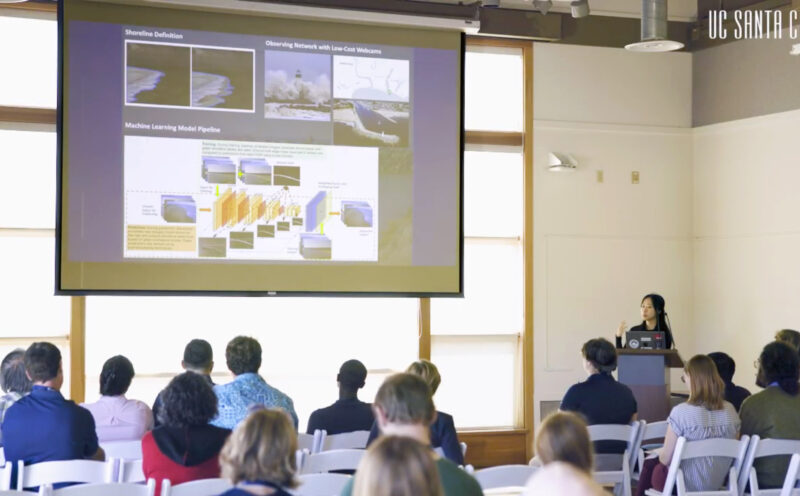
The future of climate: The Center for Coastal Climate Resilience supports a critical wave of research fellows
As the science community’s focus on climate change and adaptation continues to grow, research fellows are playing a pivotal role in driving the innovation needed to build greater resilience in the face of climate change.
-
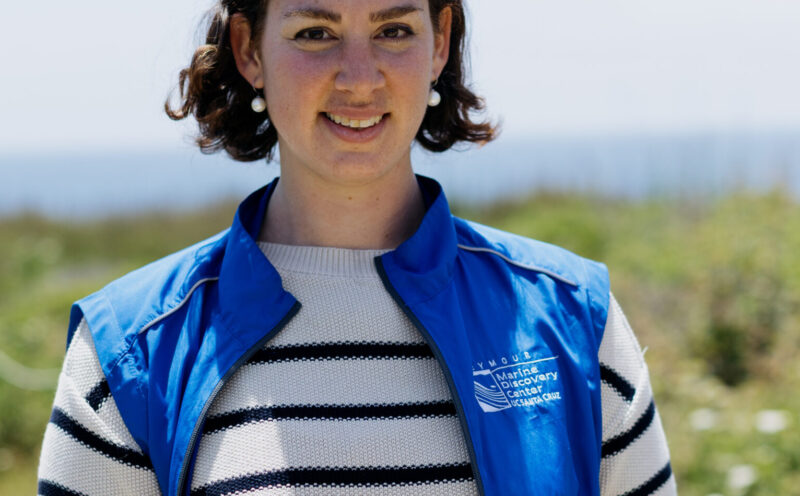
Using technology and games to build climate-resilient communities
Linda Hirsch, a postdoctoral fellow at UC Santa Cruz who is supported by the Center for Coastal Climate Resilience, is exploring how technology can help individuals and communities prepare for and recover from climate-related hazards.
-
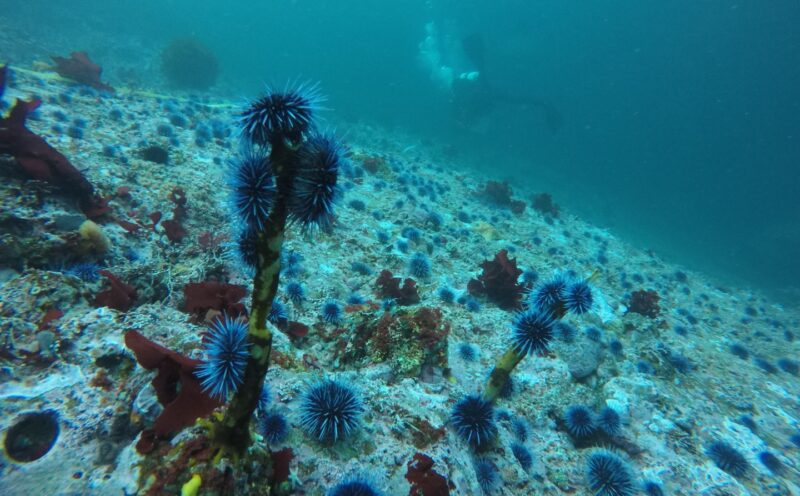
A data-driven model to help avoid ecosystem collapse
New study gives conservationists a simpler, general approach for predicting an ecosystem’s tipping point and what comes next
-

Charting coastal futures
Alumnus William “Monty” Graham, the new director of the Smithsonian Environmental Research Center—one of the nation’s leading hubs for environmental science—brings deep expertise in coastal ecological oceanography and a foundation shaped by UC Santa Cruz values.
-

Genome of a 28-eyed jellyfish could provide insight on evolution of vision
The Macias-Muñoz lab and collaborators have sequenced the genome of a unique species of jellyfish to better understand the origins of sight.
-
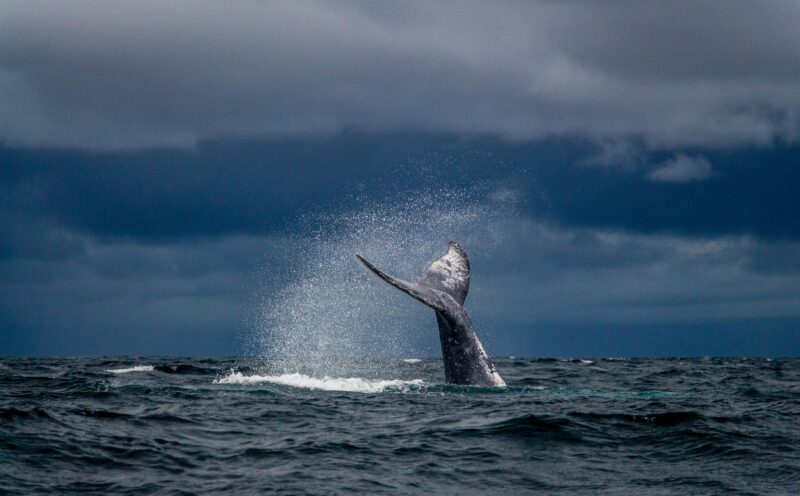
UN-backed research team shows benefits of tracking ocean giants for marine conservation
UC Santa Cruz experts and vast data sets on marine mammals contributed to new report