Coastal Science & Policy
-

Grad student Melissa Cronin wins Seafood Sustainability Contest
The $45,000 prize will support Cronin’s efforts to to reduce the mortality of manta rays and devil rays incidentally caught during tuna fishing.
-
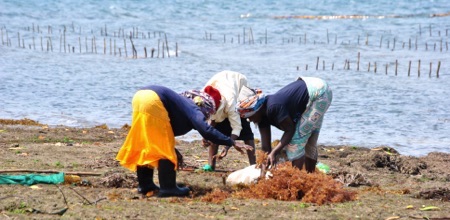
Aquaculture to benefit people and the environment
Two graduate students have received a one-year, $150,000 grant to create environmentally sound seaweed and sea cucumber farms on the coasts of Kenya and The Gambia.
-
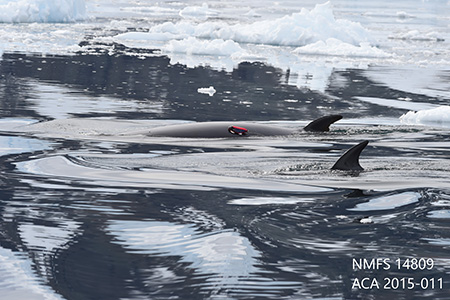
Researchers get a ‘whale’s-eye view’ of Antarctic sea ice
Cameras attached to a rare species of Antarctic whale are giving scientists an unprecedented view of how the whales survive in their sea ice habitat.
-
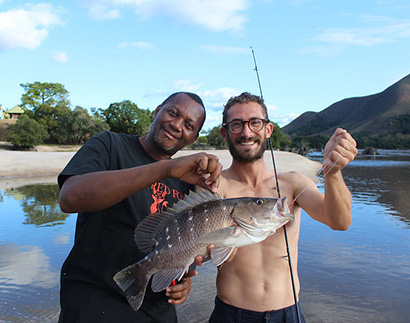
Proposed hydropower dams pose threat to Gabon’s fishes
Proposed hydropower dams in Gabon pose a substantial threat to the African nation’s most culturally and economically important fishes, according to a new study.
-

$2.6 million grant funds program to increase diversity of conservation leaders
New funding for the Doris Duke Conservation Scholars Program at UC Santa Cruz builds on the program’s successes in training the next generation of diverse conservation leaders.
-
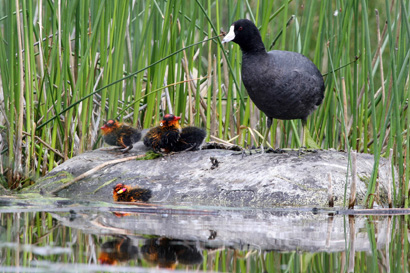
The mysterious case of the ornamented coot chicks has a surprising explanation
The bright colors of the chicks of American coots help their parents choose favorites, according to a new study.
-

How genetics and social games drive evolution of mating systems in mammals
From monogamy to promiscuity, a new model explains the evolution of diverse mating systems based on the conflict between cooperative and competitive behaviors.
-
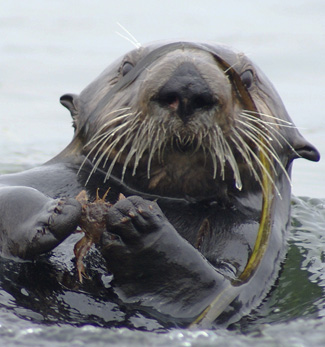
California’s sea otter population could triple by recolonizing San Francisco Bay
A new study highlights the importance of estuaries as prime habitat for the endangered southern sea otter.
-
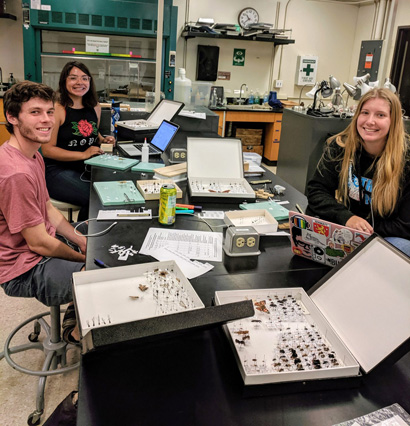
Students power resurvey of UC Santa Cruz natural reserves
Student teams are conducting surveys of the birds, plants, fish, fungi, insects, vascular plants, mammals, bryophytes, and lichens at all four of the campus’s Natural Reserves.
-

Island ‘soundscapes’ show potential for evaluating recovery of nesting seabirds
Conservation biologists are taking a holistic approach to acoustic monitoring for evaluating the effectiveness of restoration efforts.
-

UC Santa Cruz researchers funded to develop new technology for monitoring toxic algae
As the frequency and severity of harmful algal blooms increases along the California coast, ocean scientist Raphael Kudela is working to improve the technology for monitoring them.
-

Fish in California estuaries are evolving as climate change alters their habitat
Comparison of current stickleback populations with fish collected in the 1970s shows the populations are evolving as California’s climate becomes hotter and drier.