Engineering
-
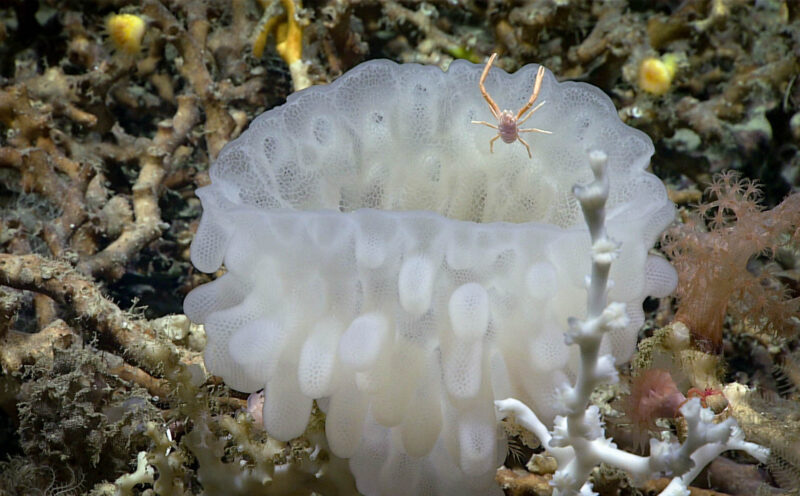
‘Selfish’ genes called introners proven to be a major source of genetic complexity
UC Santa Cruz researchers are studying the ways certain genetic elements hide and make copies of themselves, so they can propagate within a species’ DNA, or even hop from one species to an unrelated one in a process called “horizontal gene transfer.”
-
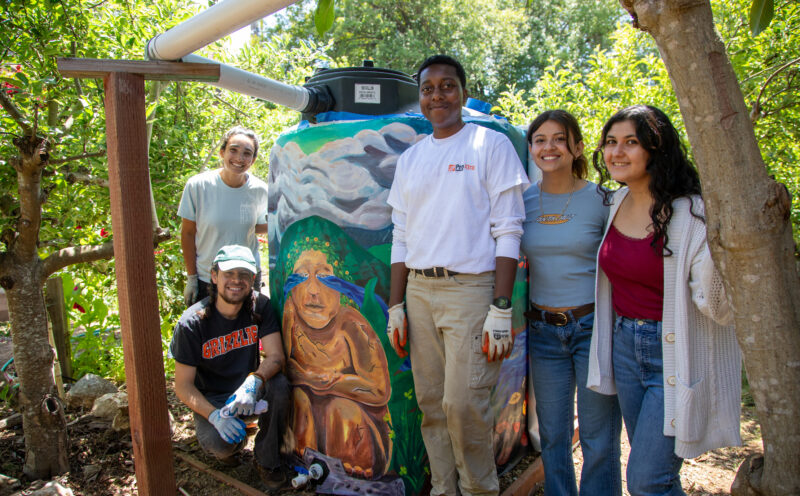
Innovative and artful rainwater harvesting nourishes gardens and hope
UC Santa Cruz cosmologist leads widely interdisciplinary project funded by the Center for Coastal Climate Resilience to turn urban runoff into low-cost irrigation
-

In Memoriam: Allen Van Gelder
Remembering Professor of Computer Science and Engineering Allen Van Gelder
-

Following Late Pleistocene horse migration toward our sustainable future
Cutting-edge UC Santa Cruz Paleogenomics Lab was key to genetically tracing mass movements long ago
-

CITRIS Tech for Social Good project showcase: virtual event highlights five student teams’ work
CITRIS is hosting the 2024-25 Tech for Social Good Project Showcase, a virtual events that highlights student-led technology development projects focused on promoting social good.
-
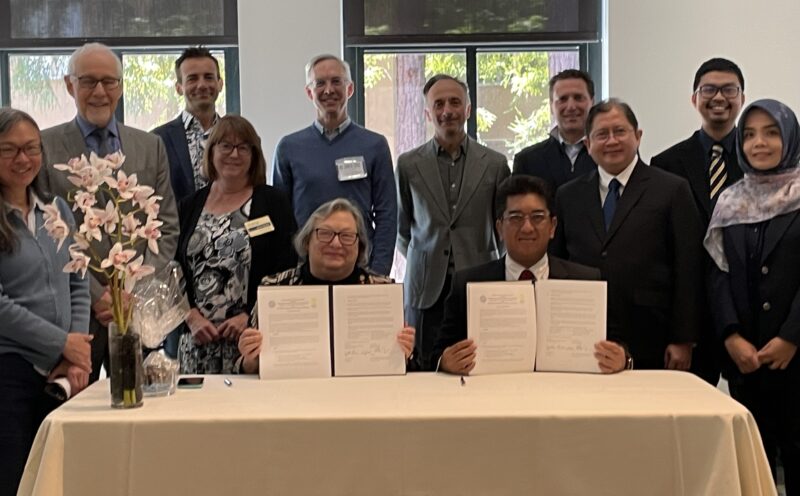
Campus exploring dual-degree program with University of Indonesia
Campus leaders last week welcomed an Indonesian delegation for the signing of a memorandum of understanding that recognizes the growing institutional relationship with the University of Indonesia.
-
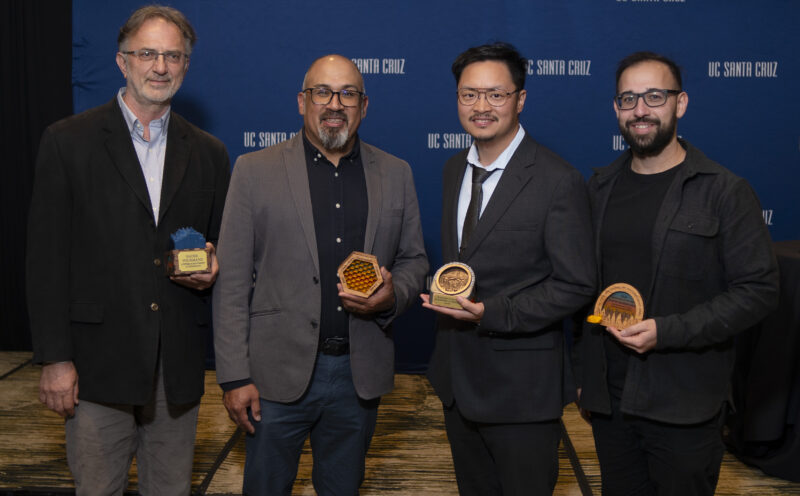
Chancellor’s 2024 innovation awards honor excellence in research and impact
The recipients include innovators who have created breakthroughs in knowledge and technology that are improving our world and community partners.
-

UCSC Genome Browser alumni profile: Melissa Cline
Melissa Cline is a prominent figure in the field of cancer genomics and currently manages the BRCA Exchange, the largest public resource for knowledge on genetic variations that influence heritable breast, ovarian, prostate, and pancreatic cancers.
-

Pest prediction and management improved with better modeling
With new research, applied mathematicians at UC Santa Cruz introduce methods to improve the forecasting of pest populations
-

Ancient DNA research aids de-extinction efforts and reveals surprising dire wolf ancestry
UC Santa Cruz scientists worked with Colossal Biosciences to help reveal secrets in the dire wolf genome that contributed to what the startup is calling the world’s first de-extinction
-

Reimagined undergrad class teaches students entire DNA sequencing process using cutting-edge devices
A biomolecular engineering course has recently been redesigned to give students experience with the entire process of DNA sequencing, from sampling to data analysis, using the latest nanopore devices from Oxford Nanopore Technologies.