Engineering
-
Get to know our researchers
Meet some of the passionate people leading our impact and innovation. Public support and federal funding make this work possible.
-

United Nations and Baskin Engineering to host West Coast’s first ‘Reboot the Earth’ hackathon
The event will bring together developers to create technological solutions to address the climate crisis.
-
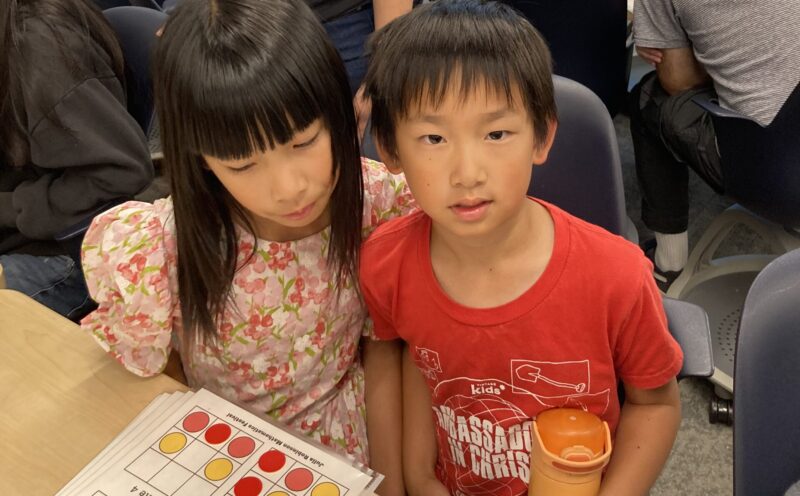
Local elementary and middle school students celebrate the joy of math at UC Santa Cruz-hosted festival
A campus-hosted offering of the Julia Robinson Mathematics Festival helped students build confidence and a sense of belonging around math.
-
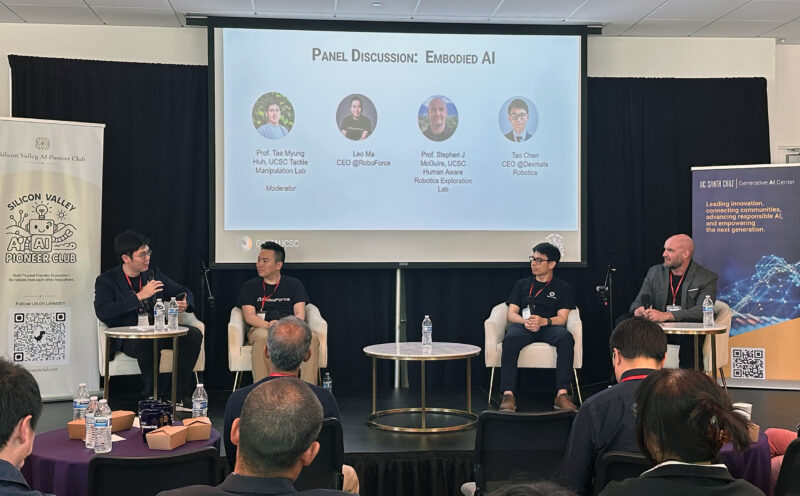
AI leaders gather in Silicon Valley for UC Santa Cruz, SF Tech Week event
More than 200 people gathered for an event called “AI Frontier: Data, Agents & Robots.”
-
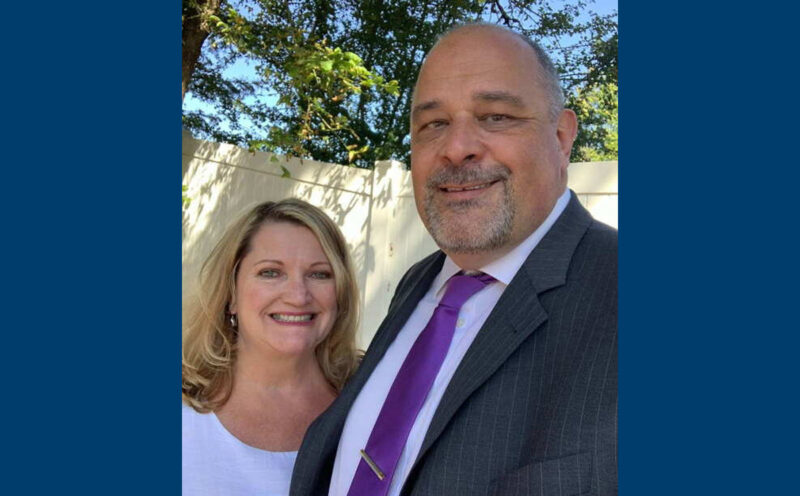
New Physics Department professorship reflects an engineer’s love of science and his spouse
Bruce Schumm is the inaugural Darrell D.E. Long and Elaine N. Long Family Professor in Experimental Physics
-
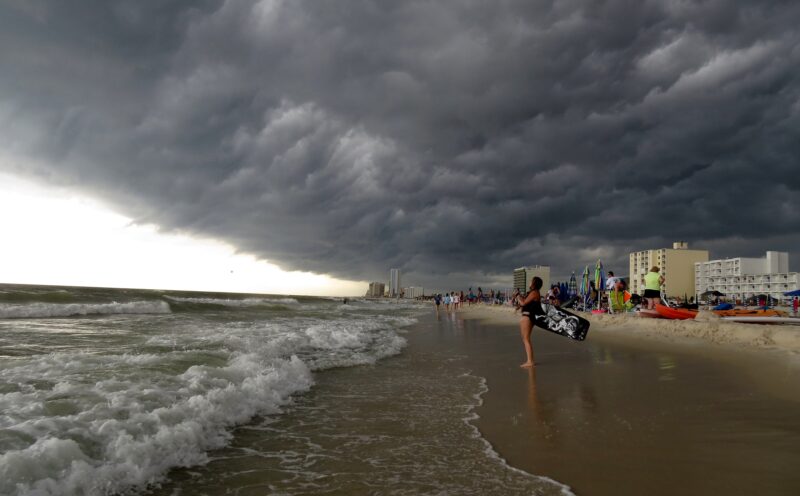
Regional ocean dynamics can be better emulated with AI models
Researchers show the success of their technical in a critical region: the Gulf of Mexico.
-
CITRIS Interdisciplinary Innovation Program (I2P) funds three campus projects
The 2025-26 edition requested projects focused in three areas: Society, Media and Technology, AgTech, and EdTech.
-

Protecting NASA funding ensures breakthroughs in space science and benefits in daily life continue
From GPS to innovations in computing and optics, technologies developed for space research touch nearly every aspect of modern life
-

UC Santa Cruz named National Center of Academic Excellence in Cyber Research
The recognition highlights UC Santa Cruz’s research and educational contributions to advancing cybersecurity.
-
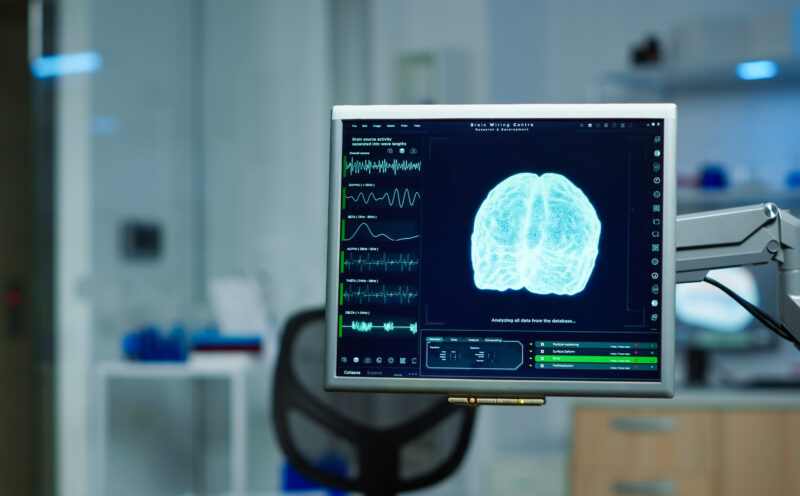
‘Future-guided’ AI improves seizure prediction
Engineers developed a deep learning method that manipulates time to make better predictions.
-

New faculty join Baskin Engineering with expertise in AI, security, and computational biology
The Baskin School of Engineering welcomes three new faculty members for the 2025-26 academic year.