Biomolecular Engineering
-
List of most highly cited researchers features 19 UCSC scientists and engineers
A new list of the world’s most highly cited researchers includes 19 scientists and engineers at UC Santa Cruz.
-
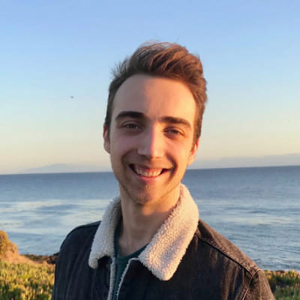
Investigating bias in technology through Baskin Engineering’s anti-racism research fellowship
The UC Santa Cruz Baskin School of Engineering Fellowship for Anti-Racism Research funds engineering students challenging bias and racism in the fields of engineering and technology.
-
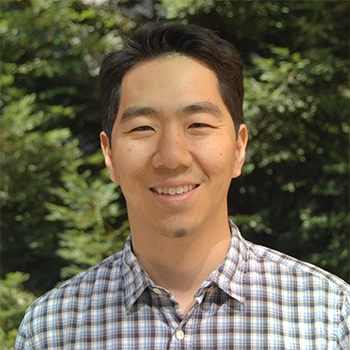
Biomolecular engineering professor wins American Cancer Society award to develop technology for cancer early detection
Assistant Professor of Biomolecular Engineering Daniel Kim won a four-year, $792,000 Research Scholar award from the American Cancer Society to support his work in developing RNA liquid biopsy technology to diagnose cancer early on.
-
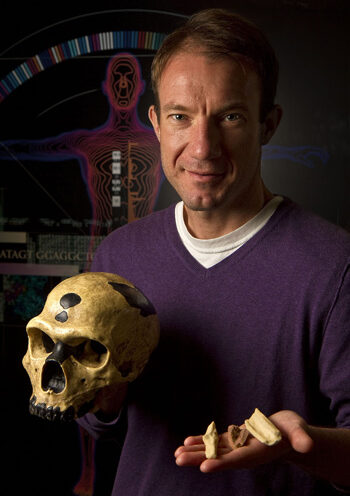
UCSC engineer played crucial role in 2022 Nobel Prize-winning research
UC Santa Cruz Baskin School of Engineering Professor Richard (Ed) Green was a major contributor to the Neanderthal Genome Project , the leader of which, Svante Pääbo, received the 2022 Nobel Prize in Physiology or Medicine.
-
UCSC welcomes 41 outstanding new faculty members
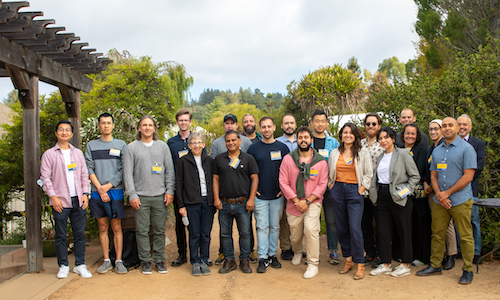
With the start of the 2022-23 academic year, UC Santa Cruz welcomes 41 new senate faculty members. The research and creative scholarship and expertise brought to our campus by these new faculty colleagues will strengthen existing areas of work and open discovery opportunities.
-

Karen Miga discusses the future of equitable genomics research with Clinton, Bono
UC Santa Cruz Assistant Professor of Biomolecular Engineering and Associate Director for Human Pangenomics at the UCSC Genomics Institute Karen Miga joined former President Bill Clinton, U2 lead singer Bono, and Director-General of the World Health Organization (WHO) Tedros Ghebreyesus to talk about the greatest health challenges and opportunities the world is currently facing.
-

Karen Miga to speak with former president and other visionaries at the Clinton Global Initiative Meeting
This Tuesday, September 20 at 1:30 PST, Karen Miga will speak during the conference’s closing plenary session, joining Bill Clinton, Lin Manuel Miranda, Dolores Huerta, and more.
-

New program will mentor and train students underrepresented in genomics research
The UC Santa Cruz Genomics Institute will partner with California State University, Monterey Bay (CSUMB) and the University of Puerto Rico, Río Piedras Campus to mentor and provide genomics research experience for students from these two hispanic-serving institutions.
-

From concept to commercialization: how UCSC researchers revolutionized DNA sequencing
More than a quarter century since the first patents were filed, the UCSC researchers who pioneered nanopore sequencing reflect on the impact of their invention
-

Biomolecular engineering professor awarded $1.9M grant to understand and engineer pluripotent stem cells
UC Santa Cruz Assistant Professor Ali Shariati and his lab will investigate the molecular feedback mechanisms responsible for the coordination of embryonic stem cell division and differentiation to develop novel strategies for their use in regenerative medicine.
-
New study shows COVID-19 genomic recombination is uncommon but disproportionately occurs in spike protein region
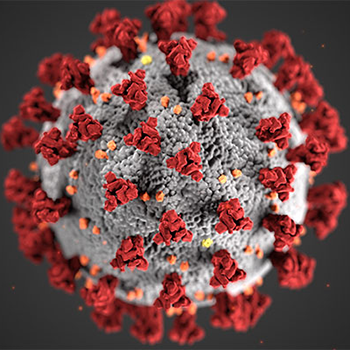
An analysis of millions of SARS-CoV-2 genomes finds that recombination of the virus is uncommon, but when it occurs, it is most often in the spike protein region, the area which allows the virus to attach to and infect host cells.
-

Hallmark cancer gene regulates RNA ‘dark matter’
A new study finds that a key genetic mutation that occurs early on in cancer alters RNA “dark matter” and causes the release of previously unknown RNA biomarkers for cancer early detection.