Technology
Students create agentic AI at first UC Santa Cruz hackathon with NVIDIA, ASUS
Dedicated students spent 24 hours hacking, and had the opportunity to use cutting-edge AI hardware brought to UC Santa Cruz for the event.
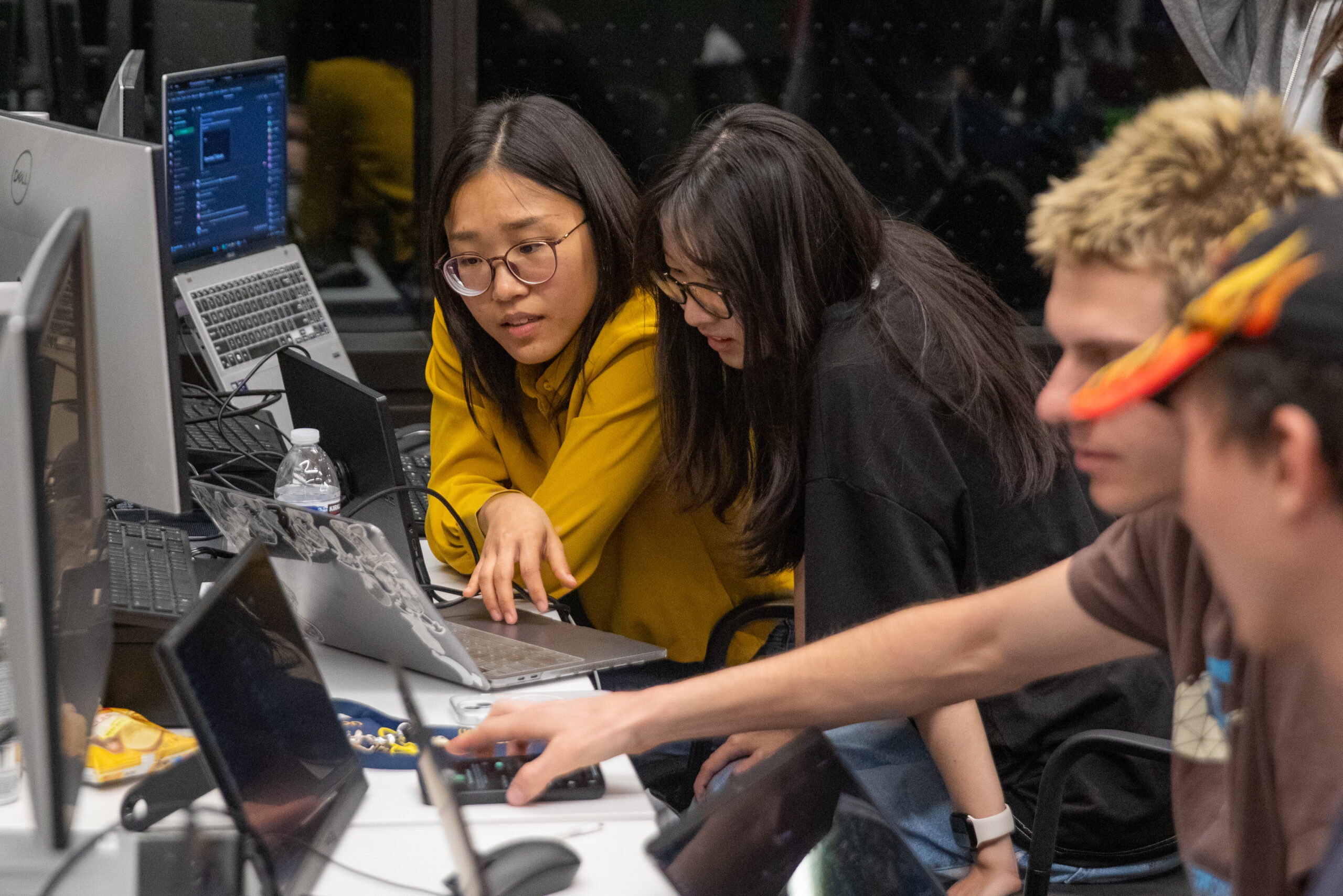
Photo by Griffin Murphy
Fueled by a passion for technology and copious amounts of caffeine, more than 200 dedicated students worked for 24 hours straight at Hack-a-Claw: a hackathon dedicated to agentic AI co-hosted by the University California, Santa Cruz Baskin School of Engineering and industry giants NVIDIA and ASUS.
Running from May 15–16, the event tasked students to come up with innovative uses of cutting-edge AI hardware and software developed by the two companies.
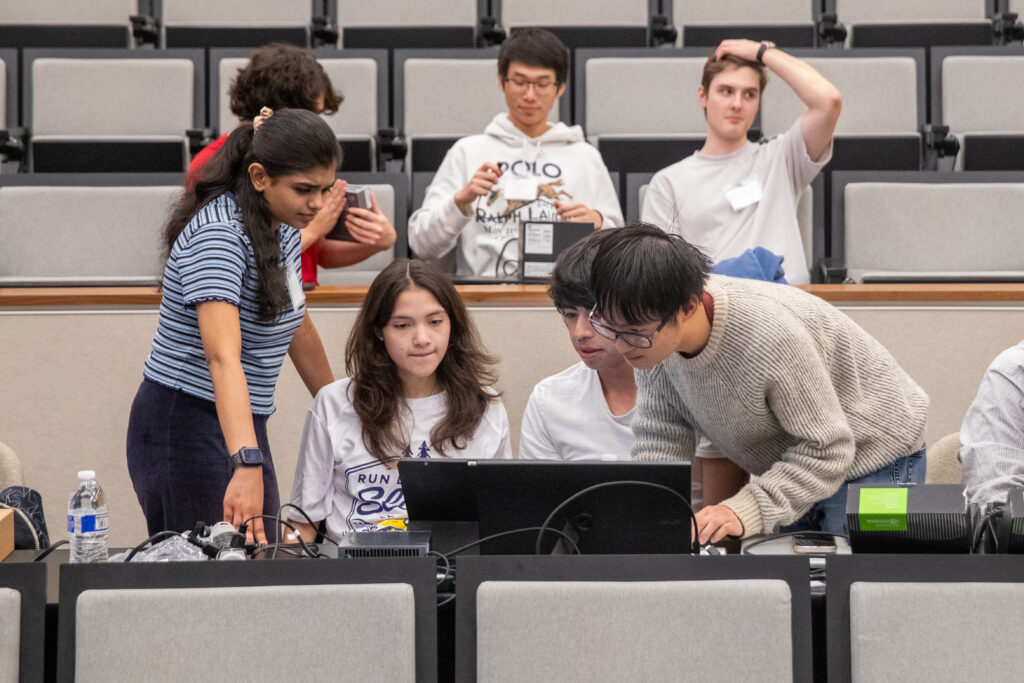
Students working solo or in groups of up to four were tasked to think outside of the box to create a working autonomous agent application using Nemotron, NVIDIA’s open models for building specialized AI agents. Teams could choose to power their creations using the more than 40 recently released computing hardware devices—ASUS and NVIDIA’s DGX Spark units—brought to campus for the event; or, they could choose to build in the cloud.
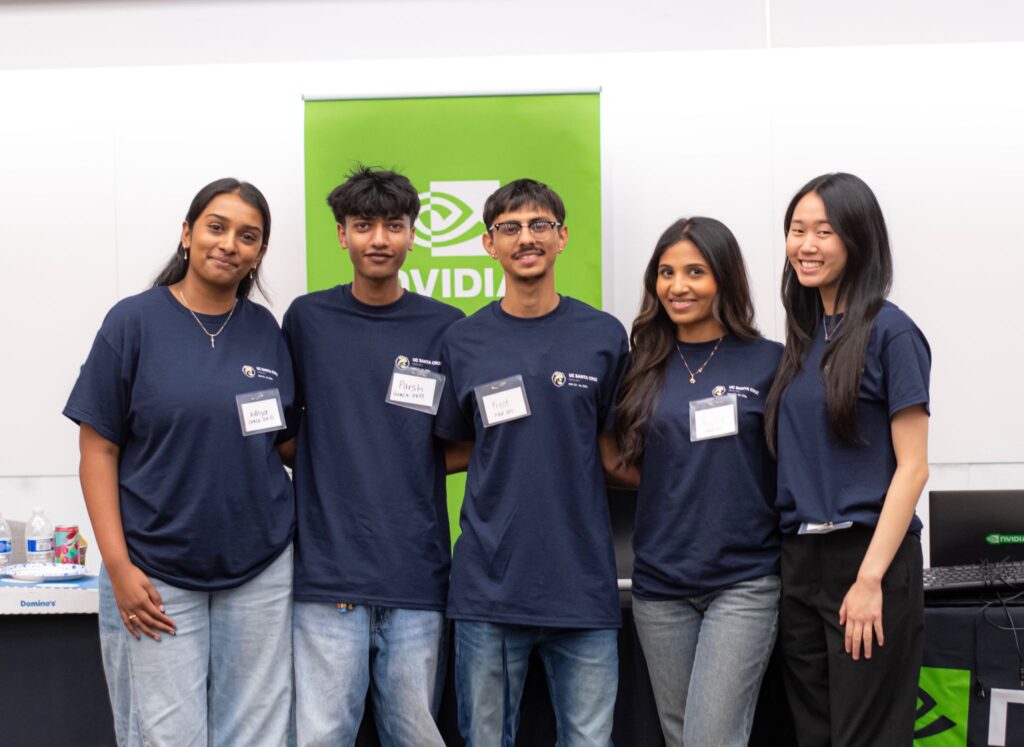
No previous experience with the technology was required to participate. For most students the event was their first time using the hardware and software, and the NVIDIA and ASUS staff at the event led a workshop to train students on this new technology.
“We wanted to have students build on something that’s so brand new, to give them more insight on the hardware and software as well as the implementation side of things—students were able to gain access to technology and resources,” said Preet Karia, a Baskin Engineering student who helped organize the event. “To me the biggest thing was connecting talented students to this company, and making people more aware of what is available.”
Karia, a second-year robotics and computer science undergraduate student, was the driving force behind the event. After he claimed first place at the NVIDIA GTC 2026 Agents for Impact Hackathon, he was inspired to bring a similar event to UC Santa Cruz—a natural fit for one of the universities closest to NVIDIA’s California headquarters. Karia organized the event with Hack.dev, a Baskin Engineering student organization of technology builders he started under Professor of Electrical and Computer Engineering Gabe Elkaim’s Autonomous Systems Lab.
Judges selected winners for four tracks: Cloud Track (cloud computing), Edge Track (hardware computing), Best Use of NemoClaw (NVIDIA’s AI agent platform), and Best Use Case for UCSC.
All winners were UC Santa Cruz students unless otherwise noted. Winning projects and students included:
- Cloud Track winner: ClawForge, a NemoClaw safety-powered tool that helps small businesses create custom AI agents from calls and booking to support daily operations, without needing to code
- Animesh Alang, Adithya Pradeep, Paras Gandhi, and Giwin Vincent Edwin Omesh
- Edge Track winner: FactoryMind, a tool for future optimization of autonomous robots in factories
- Dan Pham, Rohan S. (University of Illinois, Urbana-Champaign), Donovan Thomas, and Raeed Saad
- NemoClaw Track winner: MonkeyClaw, a cybersecurity tool for probing, patching, and protecting the NVIDIA NemoClaw ecosystem
- George Gong, Justin Lee, Ezzy Rappeport
- Best for UCSC Track: HydroClaw, an autonomous AI agent that manages a hydroponic farm, constantly monitoring growth and taking corrective action in real time
- Carmen Tan, Alexander Hamilton, Lucas Peterson
While the majority of participants were UC Santa Cruz students, the event drew talent from across the country, including students from UC Berkeley, the University of Oregon, and Purdue University.
After the success of this hackathon, Karia said the Hack.dev hopes to host more technology-centered events for UC Santa Cruz.