Social Justice & Community
‘The Public’s Science’ initiative seeks to reimagine the science research ecosystem
The new effort will bring together a broad range of voices to create scholarship and policy recommendations for reorienting science research toward excellence, justice, transparency, and democratic participation.
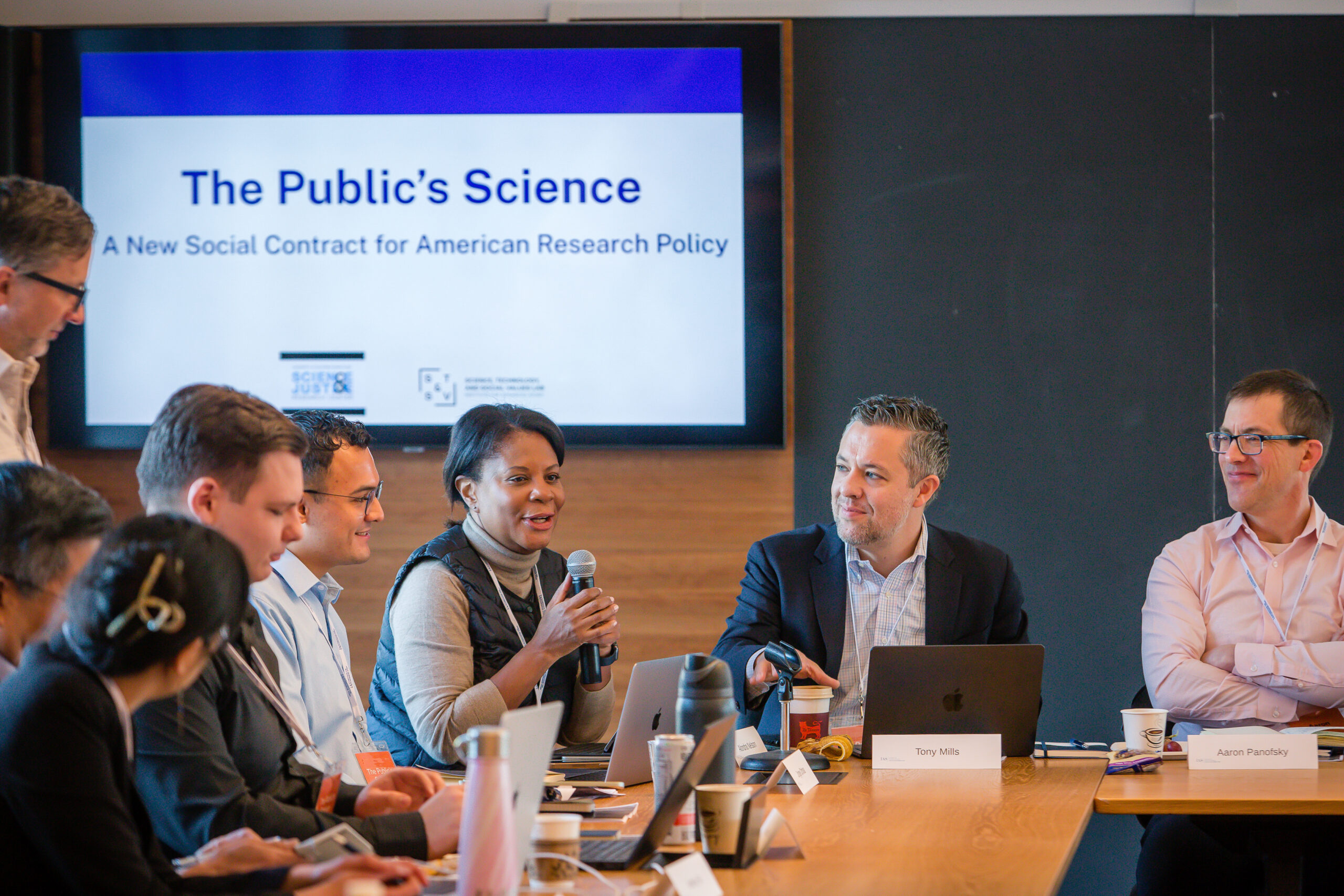
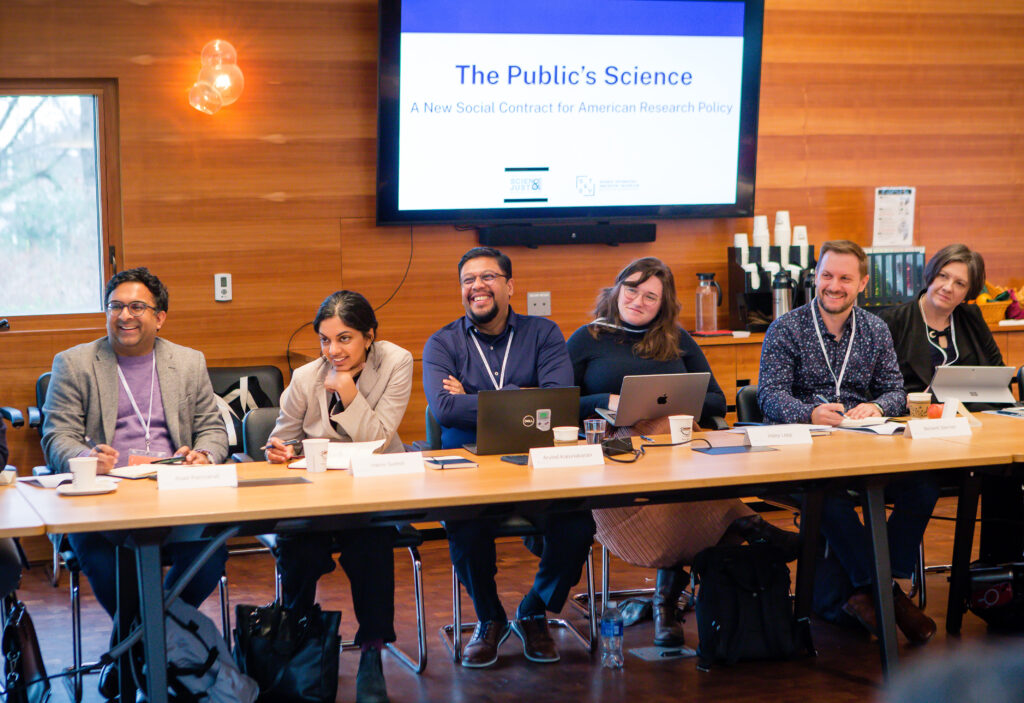
Institute for Advanced Study Professor Alondra Nelson, a co-leader of the initiative, speaks at The Public's Science research workshop.
Images by Andrea Kane
Press Contact
How can we chart a new course for research and development in the United States that is genuinely publicly accountable, not just publicly funded?
This question is at the heart of a new initiative that seeks to reimagine the American public science research ecosystem.
Seventy-five years after Roosevelt administration advisor Vannevar Bush’s report Science—The Endless Frontier, the foundational assumption of American research policy—that scientific autonomy naturally serves the public interest—demands reexamination. While this arrangement produced remarkable achievements and great innovations of the last 80 years that improved human wellbeing and increased opportunity and prosperity, it consistently lacked mechanisms for genuine public accountability. Now, with this research ecosystem at a crossroad, as trust fractures and institutions face systematic attacks, the urgent need for democratic infrastructure in science and technology policy has never been clearer.
“The Public’s Science—A New Social Contract for American Research Policy” aims to bring together a broad range of voices to create scholarship and policy recommendations for reorienting science research toward excellence, justice, transparency, and democratic participation.
This two-year initiative is led by two experts in science and technology policy: Jenny Reardon, professor of sociology at the University of California, Santa Cruz and founding director of the campus’s Science and Justice Research Center, and Alondra Nelson, Harold F. Linder Professor of Social Science at the Institute for Advanced Study (IAS), where she leads the Science, Technology, and Social Values Lab.
“The lack of mechanisms for genuine public accountability in the science research enterprise is an urgent social and political problem,” Reardon said. “With this initiative, we are convening people with a range of expertise and experience to focus their energy on developing the practical changes and policies needed to address this.”
Charting a new course
While the U.S. is currently facing a crisis point for trust in science, Reardon says, the history of this mistrust can be traced through the development of the atomic bomb and other wartime technology. More recently, the COVID-19 pandemic brought fears and mistrust to a head, and the federal government has taken steps to defund science.
“It’s not just about this particular moment, but it has come to a crisis point. Many feel that government-funded research does not represent the range of values and experiences that people in this country have,” Reardon said.
By proposing practical mechanisms for genuine accountability, Nelson and Reardon see an opportunity to address this long-building issue.
“The social contract for science is not exempt from the democratic principles that govern other domains of American public life,” Nelson said. “The postwar arrangement assumed that researcher autonomy would naturally serve the public interest—that assumption no longer holds, if it ever did. This initiative builds mechanisms for genuine democratic accountability: not just consultation, but shared authority over research priorities and resources.”
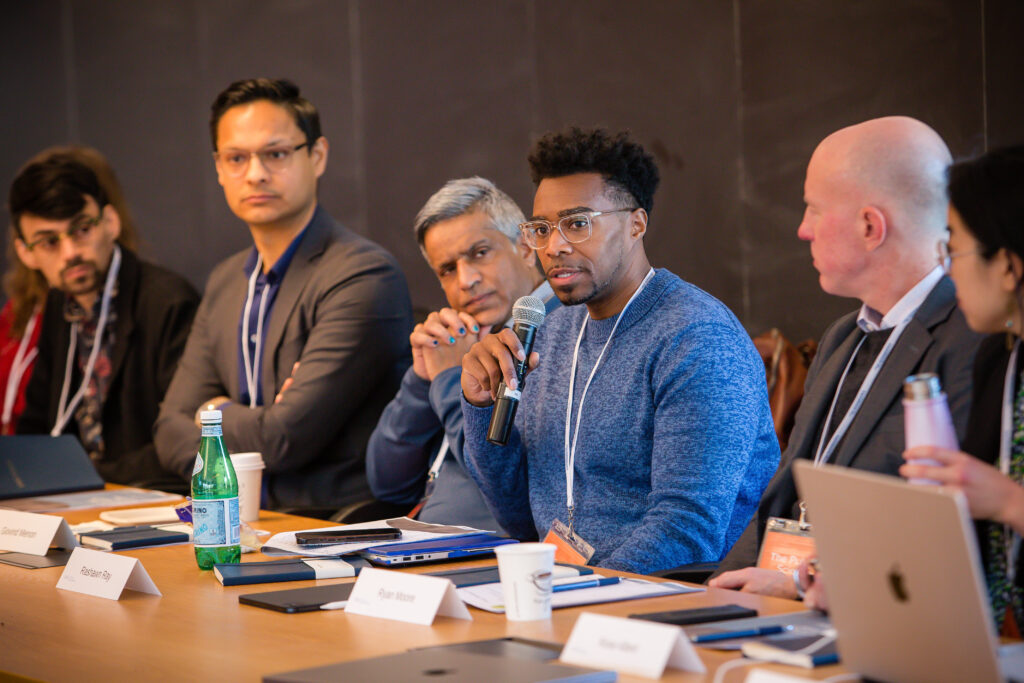
During the initiative, the project leaders will convene meetings and workshops across the country, sustain ongoing public dialogue through an interactive platform that makes complex policy debates accessible, and produce a special issue of the ANNALS of the American Academy of Political and Social Science dedicated toward scholarship and policy recommendations, to be published fall 2026.
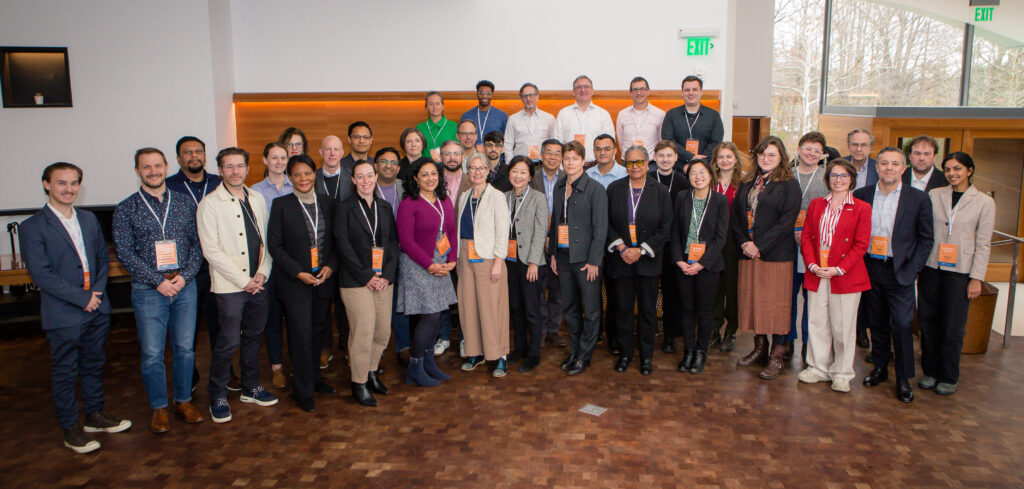
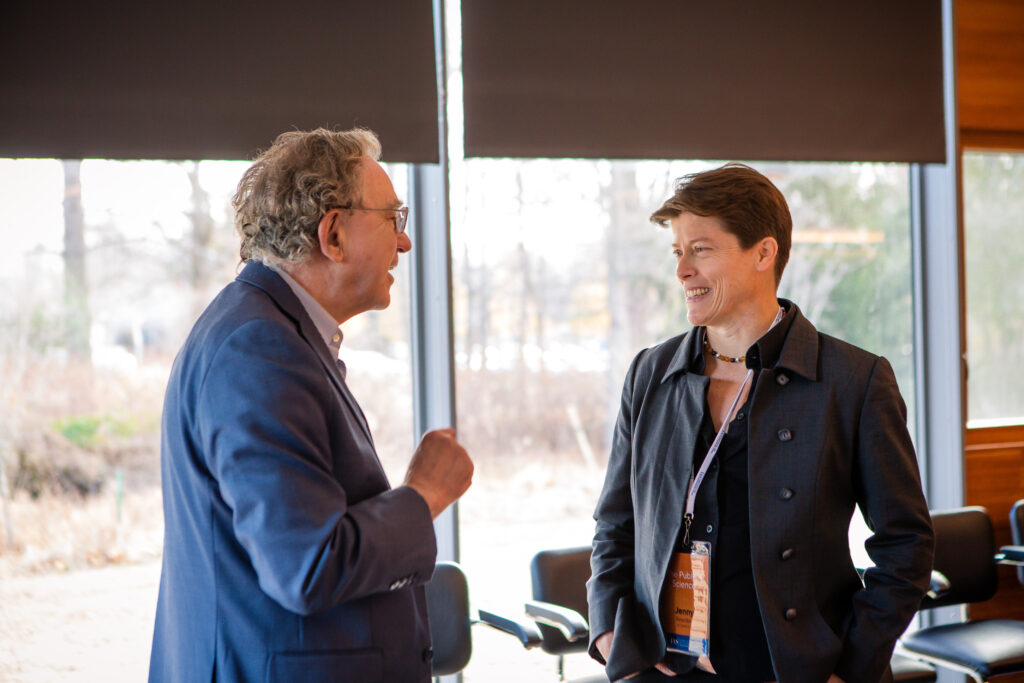
This initiative launched in December 2025 with a research workshop hosted at the IAS that gathered more than 40 participants representing academia, government, philanthropy, and civil society. With a diverse range of expertise, experience, and political viewpoints, these scholars engaged in vigorous debate about how to chart a public-spirited vision for American research and innovation. The participants examined why the U.S. has arrived at this era of public distrust and how to move forward to build research ecosystems where accountability is genuine, benefits are broadly distributed, and science inspires democratic participation.
Proposing policy
Now, the scholars are developing central questions that will guide their research. Committees representing a diverse range of perspectives will form to create policy recommendations around each question. Reardon and Nelson envision that these committees will meet in different parts of the country to incorporate perspectives historically excluded from science policymaking. The committees will develop concrete governance innovations including participatory priority-setting mechanisms that give communities genuine decision-making authority, public benefit agreements ensuring publicly-funded research serves common interests, and research translation pathways that center societal needs over commercial viability. These proposals build on existing models while charting new institutional territory.
The project leaders will synthesize the committees’ output into a comprehensive set of policy recommendations detailing the specific mechanisms needed to make science research publicly accountable. Leveraging Nelson and Reardon’s extensive experience—particularly Nelson’s role as acting director and principal deputy director for science and society in the White House Office of Science and Technology Policy (OSTP) under President Biden—the recommendations will be shared with policymakers.
Throughout the process, researchers will facilitate public dialogue through forums, livestreamed convenings, mechanisms for feedback on emerging policy proposals, and interactive tools for exploring alternative research governance models. The platform will also include content to translate complex scholarly literature for broad audiences.
This effort will be supported by a Civic Science Fellow, funded by the Rita Allen Foundation, who will be based at the IAS and contribute to the initiative for 18 months.
This initiative is supported by funding from the Dana Foundation, Nelson Center for Collaborative Research at the Institute for Advanced Study, the Kavli Foundation, the Henry Luce Foundation, the Rita Allen Foundation, the UC Santa Cruz Office of Research, and the Doris Duke Foundation. Key team members include UC Santa Cruz sociology graduate student James Karabin, Christine Custis and Nicholas Collins of IAS, Northwestern University sociology Ph.D. candidate Jorge Ochoa, and manager of the UCSC Science and Justice Research Center Colleen Stone.