Arts & Culture
UC Santa Cruz Library publishes vast photo archive from iconic ‘Death of a Valley’
UC Santa Cruz Library has digitized and made publicly available 3,200 images taken by Dorothea Lange and Pirkle Jones from their photo project that captured the final year of Monticello.

Seventy years ago, residents of Monticello gathered to mark their last Memorial Day in their small, agricultural town. The spring gathering was always a chance for families and old friends to gather in community.
By the time rains came the following year, 1957, Monticello was gone. Farms abandoned. Trees uprooted. Businesses closed. Houses torn down. Coffins unearthed and reburied. The land itself ultimately flooded beneath 1.6 million acre feet of water. Putah Creek, which ran just west of the town, was dammed to help quench the thirst of a rapidly growing state.
The number of Californians more than doubled from 1930 to 1950, and the state’s plans to increase the water supply included creating Lake Berryessa by capturing the water rolling down the Coastal Range.
Struck by the environmental and societal cost of the project, photographers Dorothea Lange and Pirkle Jones turned their lenses to document and demonstrate to the public what progress looked like. Their project, Death of a Valley, was commissioned and then rejected by Life magazine, an outlet with a paid circulation over 5 million and estimates of a weekly readership greater than 20 million.
Despite this, the series went on to garner critical acclaim for its powerful portrayal of the rapid shift from a thriving community to a human-made lake. Lange and Jones published 30 of the photos in 1960 in the journal Aperture, and exhibited the photos at the San Francisco Museum of Art and the Art Institute of Chicago.
Now, for the first time, the UC Santa Cruz Library has digitized and made publicly available all the images—more than 3,200—taken by Lange and Jones for this project.
“The photos themselves are extraordinarily evocative because they clearly convey this was a community and a strong one at that,” said Head of Special Collections Teresa Mora.
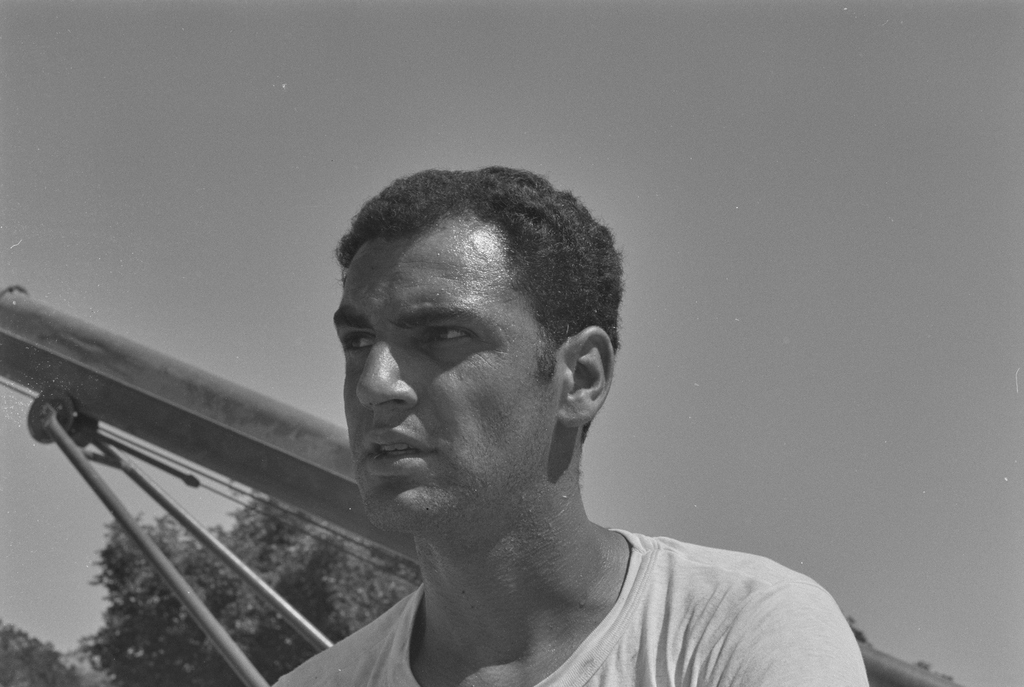
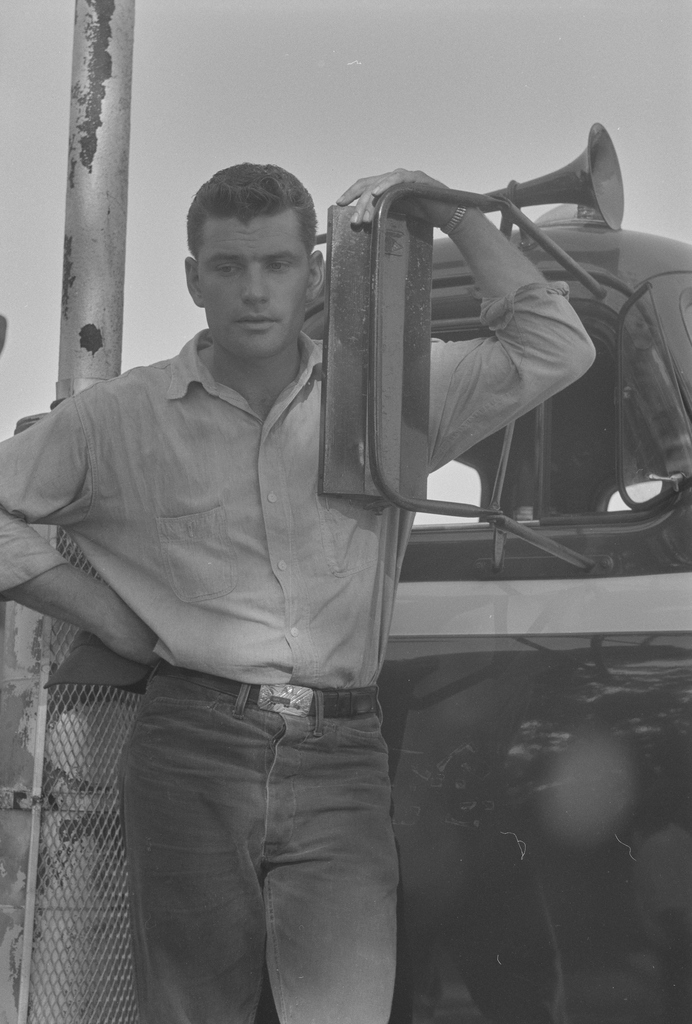
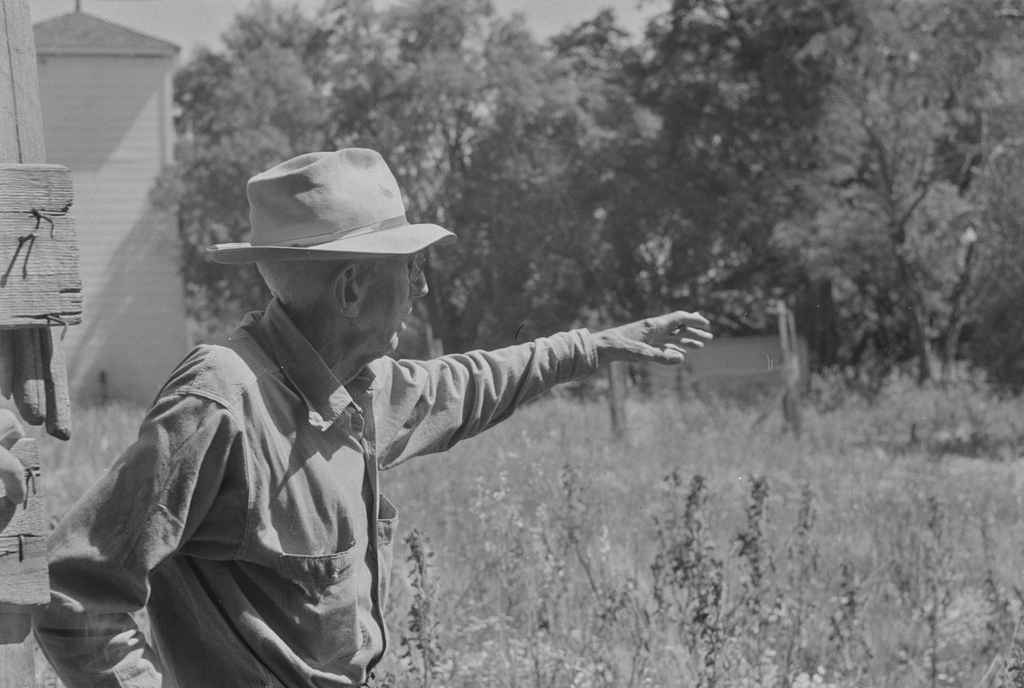
The images, included in the Pirkle Jones and Ruth Marion Baruch Collection donated in 2016 to UC Santa Cruz, offer a deep and behind-the-lens look at how the two photographers approached the project and selected what images to include in Death of a Valley.
Though seven decades old, the images remain relevant, documenting one of California’s many transformations and asking questions often ignored.
“It’s such a California story,” Mora said, “the idea of water rights, land management, this very mid-20th century concept of harnessing nature and doing better than nature with major infrastructure projects like dams—but at the cost of community.”
Down in the valley
Lange learned of the plan to dam the creek through her husband, Paul Taylor, and her son and brother, who worked on the dam, according to Linda Gordon’s 2009 biography Dorothea Lange: A Life Beyond Limits.
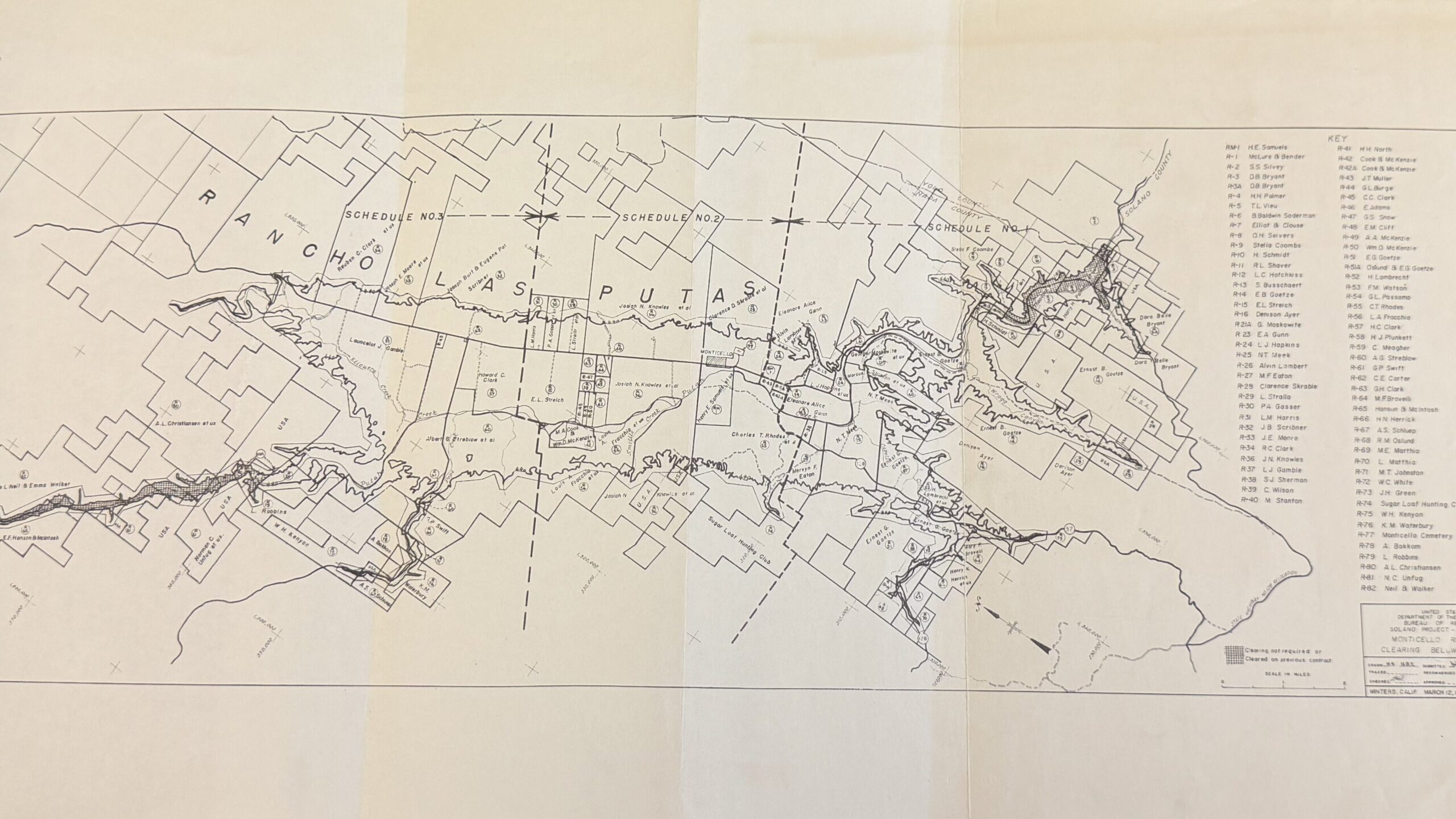
Lange, Gordon writes, witnessed the callousness and racism in urban environments and had grown ambivalent to the “new California,” an anxiety that contributed to an idealization of traditional small communities.
Starting in February 1956, the two spent 12 months visiting Monticello to document the change, both through photography and by writing down how residents were describing what was happening.
The series opens with a photo of a gray-haired woman offering a handshake and the subsequent images show the town as it was: with well-maintained homes, plants in bloom and a boy riding a bike down the road followed by a dog. They gradually show what was required to deconstruct the town: oak trees cut down and some buildings burned down. The closing images show Lake Berryessa and the 270-foot tall dam.
Beyond capturing a transformative moment in California’s history, Mora said the archive is a tremendous teaching tool on the artistic process, offering an opportunity to consider how Lange and Jones selected images for the series.
“There might be five images that look almost exactly alike and for students to start looking at what was printed in conversation with what was not published allows extraordinary insight into the mind of the artist,” Mora said.
While not digitized, the Baruch-Jones archive also contains the notes, research documents, project plans and correspondence associated with the project, which are available for researchers and library visitors.
A project overview of the project offers some of the titles considered — The Last Days of a California Valley, The Doomed Valley, Farewell to a Valley—as well as much of the text that would go along with the published images:
“The control and development, balance and distribution of water has become California’s biggest problem. The New California is coming with a roar, and the new people are bringing with them the greatest population increase ever witnessed in the history of the United States.”
According to Gordon, Lange sent Life 175 photographs including 13 5-inch by-7-inch inch color transparencies, one of the rare times she worked with color film. A telegram sent to Lange on April 6, 1957 from Patsy Barkin at Life indicates the magazine was preparing to publish the work.
“CONFIRMING PHONE CONVERSATION: WE DO WANT MOST DRAMATIC PHOTOGRAPHS SHOWING RISING WATER BACK OF DAM IN BERRYESSA VALLEY. WE WOULD LIKE HORIZONTAL PHOTOGRAPH TO MATCH UP WITH PRICKLE [SIC] JONES’ SPRING PICTURE OF MONTECELLO AS SEEN FROM ACROSS THE VALEY [SIC], ALSO SEVERAL VIEWS WHICH BEST SHOW THE HIGHEST WATER LEVEL. WE WANT TO HAVE ON HAND MOST UP TO DATE PICTURES EVEN IF COWS AND BOATS APPEAR IN THE LANDSCAPE. NEED LATEST FRIDAY”
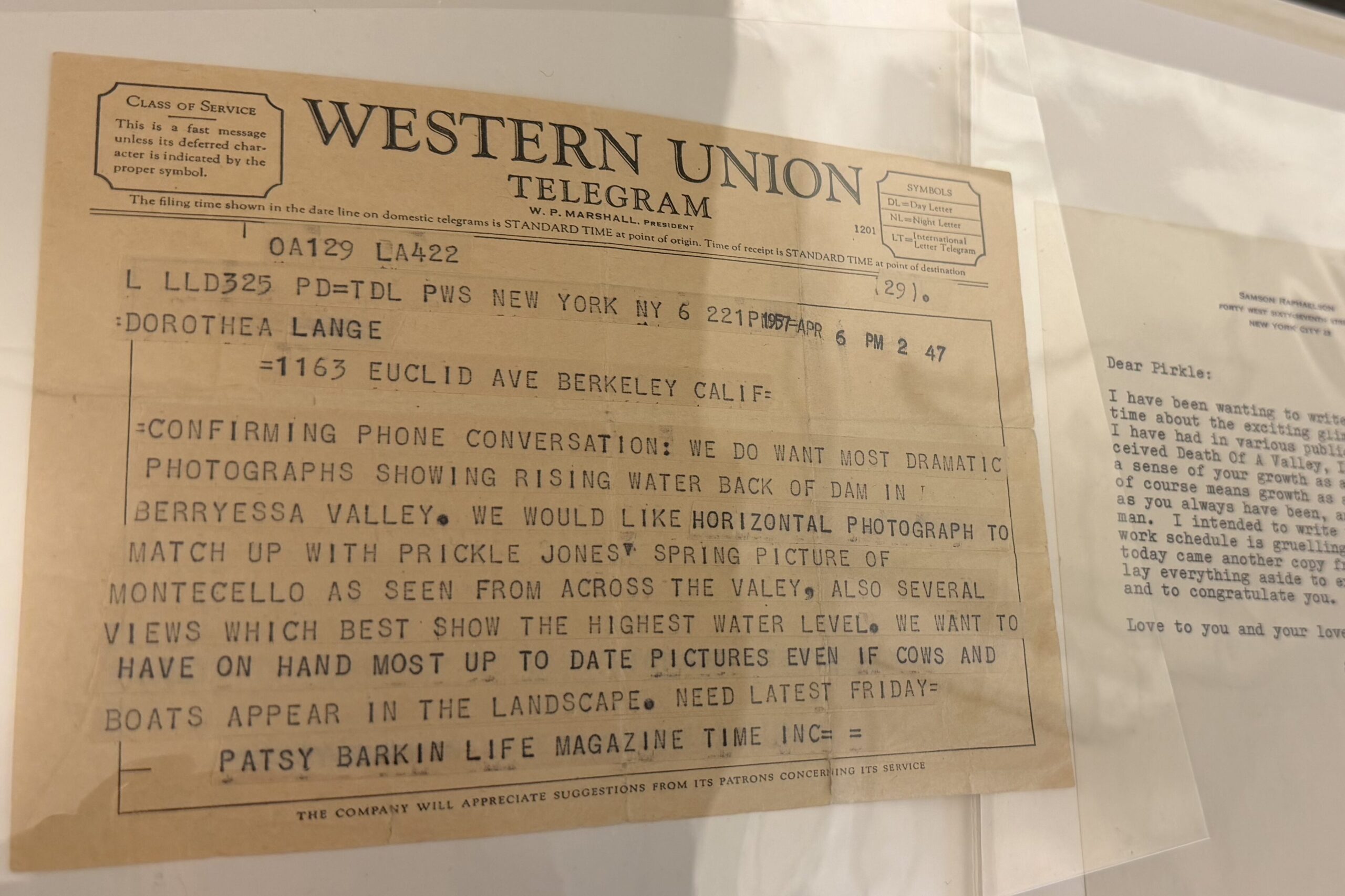
In Dorothea Lange and the Documentary Tradition, author Karin Becker Orhn quotes Phillip Greene, one of Lange’s collaborators, as saying the magazine’s editors decided there had been “too many articles on water” after a series of pieces on floods and storms in the South.
In fact, Life‘s coverage focused on how water was one region’s salvation. The magazine in January 1957 published a series about a drought that “afflicted a seared half-million square miles” and was “more severe in places than the Dust Bowl.”
Just as Life was apparently finalizing its spread on Monticello and the dam, severe rains arrived on April 24 in Texas, known as the “Day of the Big Cloud.”
News outlets often rush to cover follow-up stories. Though the rains caused $30 million in damage, the four-photo spread on May 13 on the flooding opens “Like a joyous miracle” and quotes the Texas agricultural commissioner in saying the industry had been saved.
Farmers, Life reported, were placing orders with seed houses, repairing equipment, and purchasing cattle at auction houses.
Perhaps if rains had taken a bit longer to arrive, Death of a Valley would have been published in Life, showing readers that water can also be a community’s ruination.