Student Experience
Why more UC Santa Cruz students are graduating in three years
Three-year graduation is becoming more common at UC Santa Cruz, where intentional planning and advising have helped raise the three-year graduation rate to 10.3 percent, the highest in the University of California system.

Tresa Mariya Ignatius (Crown ‘22, computer science) is among a growing number of UC Santa Cruz students who graduate in three years.
When Tresa Mariya Ignatius (Crown ‘22, computer science) arrived at UC Santa Cruz from India, she was ecstatic to discover she could design her own personal degree plan.
“I’m a bit of an obsessive planner. At colleges in India, everyone takes the same classes, in the same order,” she said. “When I realized I could actually customize my degree here, I was over the moon.”
Before she took her first class, Ignatius used UC Santa Cruz’s online degree requirements and sample plans to map out her options. She created a four-year plan first, then a three-year plan. And then a backup three-year plan, just in case.
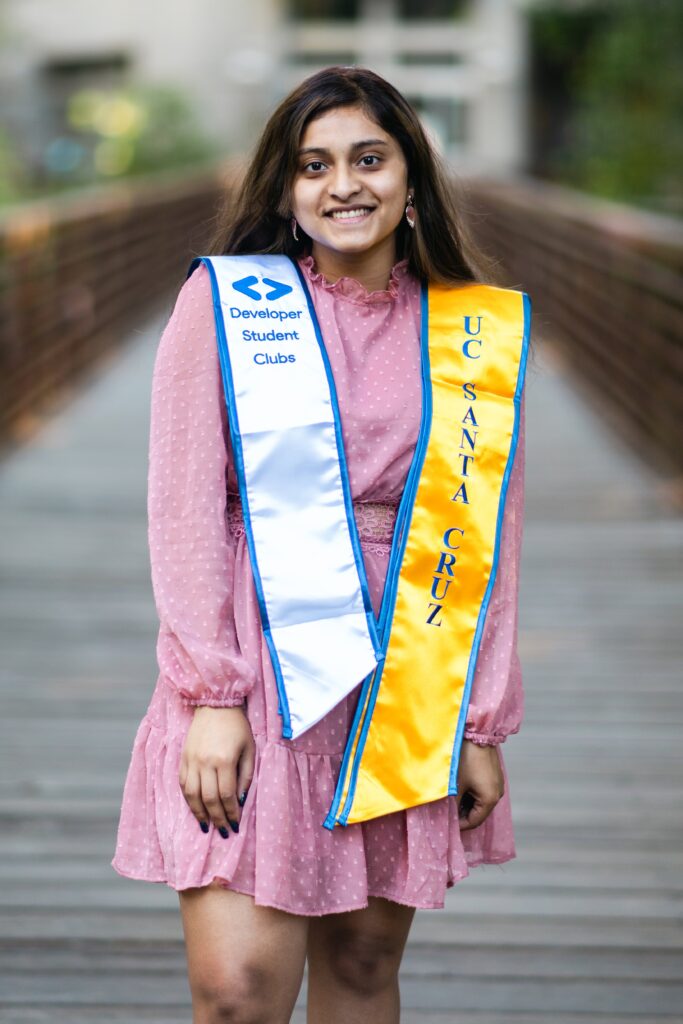
“I didn’t want to rush,” Ignatius said. “I still wanted the full college experience with fun classes and friends. I just wanted a plan that made sense for me.”
For Ignatius, her three-year plan offered the flexibility to explore, add a minor, become a club officer, complete an internship, and still get an early jump on her career. For many students, it also comes with financial benefits: by completing their degree in three years instead of four, out-of-state students can save nearly $85,000 in tuition, housing, food, transportation, and other costs. In-state students can save roughly $45,000.
Three years after moving to Santa Cruz, Ignatius graduated with a bachelor’s degree in computer science and a minor in statistics and landed a job as a software engineer just one month later.
UC Santa Cruz has the highest three-year graduation rate in the University of California system. More than 10 percent of students complete their bachelor’s degree in three years.
UCOP THREE-YEAR GRADUATION RATE DATA
As more students see the advantages of graduating in three years, stories like Ignatius’s are becoming increasingly common. UC Santa Cruz has focused on giving students — planners and non-planners alike — the tools and support they need to choose a timeline that makes sense for them.
“What changed wasn’t the degree,” said Richard Hughey, vice provost and dean of Undergraduate Education and Global Engagement. “It’s still a four-year degree. What changed is how seriously we took creating real pathways for students who wanted to graduate in three.”
A decade ago, just 2 percent of UC Santa Cruz students completed their bachelor’s degree in three years. Today, UC Santa Cruz has the highest three-year graduation rate in the University of California system. Approximately 10.3 percent of students complete their bachelor’s degree in three years, compared with the UC systemwide average of 7.6 percent.
A culture shift
“This wasn’t an accident,” Hughey said. “It was the result of sustained, coordinated work across campus. Advising, Summer Session, Admissions, and many others all play a role. It became part of our advising culture, not a one-time project.”
Over the past decade, UC Santa Cruz has redesigned how and when students participate in degree planning, making three-year graduation a visible and supported option rather than an exception.
That work began in 2016, when the campus developed three-year pathway plans for ten high-enrollment majors as part of a UC-wide state budget directive, and has since expanded to thirty-three majors. These pathways are designed to work for most first-year students—not just those who arrive with a lot of pre-college credit or who can take especially heavy course loads.
“When students can see a clear, realistic pathway early on, advising shifts from just picking classes to having a much bigger conversation,” said Yunny Yip, assistant vice provost of advising and success. “We’re talking about what students want their college experience to look like, how quickly they want to move, and what support will help them get there.”
Student-driven pathways
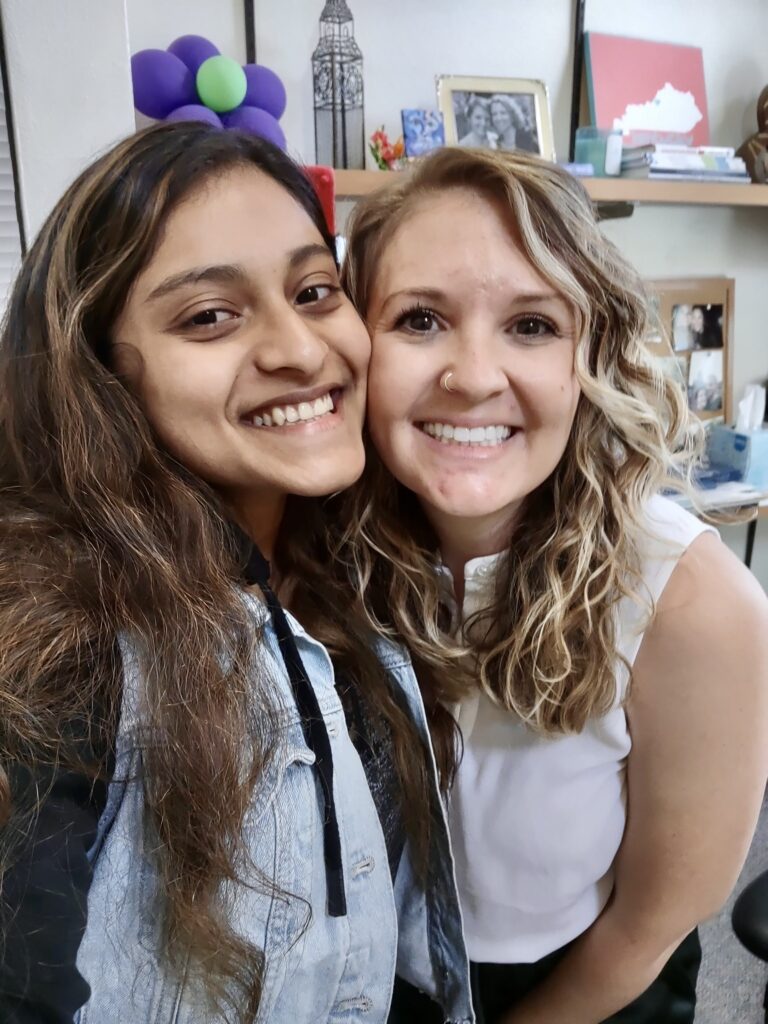
“From the first meeting, it felt like my advisor, Beth [Truax Armstrong], was in my corner. We just vibed right away,” Ignatius said. “It’s funny, she seemed almost as excited about my plan as I was, and she caught things I didn’t realize I was missing.”
Three-year pathways are optional and student-driven, with no formal declaration or binding commitment required. They are simply roadmaps that help students see what’s possible. Students can explore these pathways at any point and adjust their plans as their goals change.
Some majors, particularly in STEM, are harder to compress into a formal three-year plan because of sequencing and prerequisites. Computer science, Ignatius’s major, doesn’t have a three-year pathway template. Yet in 2025, it was the most common major among UC Santa Cruz students who graduated in three years, showing that with careful planning and advising, some students in the field can still graduate a year early.
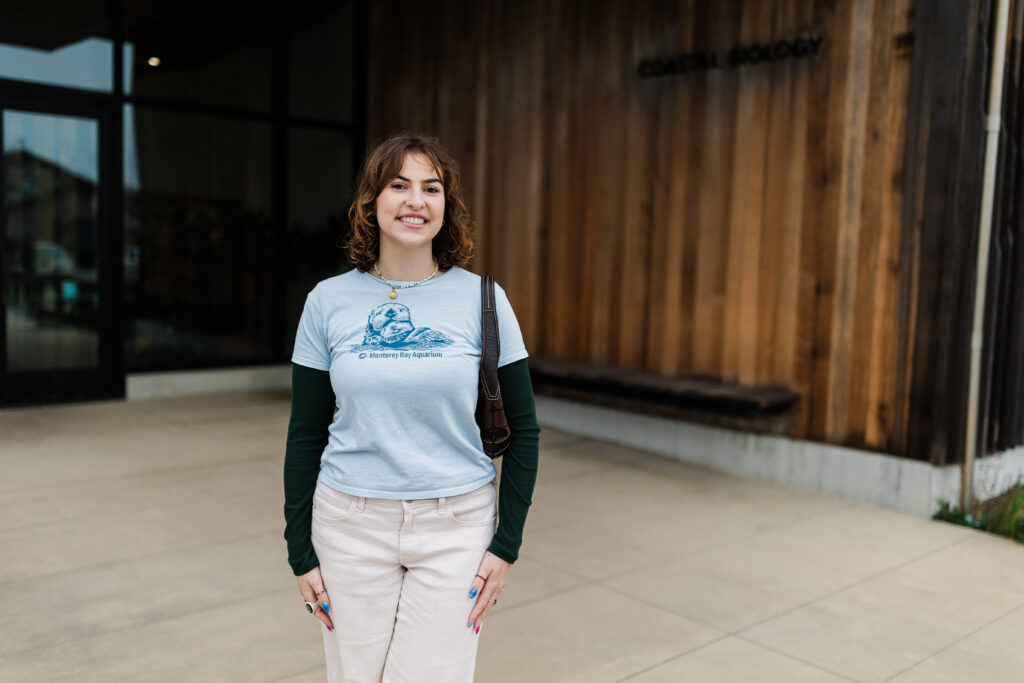
For Molly Forst, an out-of-state environmental science major set to graduate in spring 2026, the path to a three-year degree began before her first fall quarter started.
She completed Summer Edge, an optional five-week summer program for first-year students, which allowed her to earn academic credit while getting oriented to campus life.
“Summer Edge was huge for me,” she said. “By the time fall rolled around, I’d already figured out the buses, the gym, and where everything was on campus. So when my friends were still orienting themselves, I was like, ‘Oh yeah, I’ve been there.’ That confidence was huge.”
During her time at UC Santa Cruz, Forst balanced hands-on field and lab work at Younger Lagoon Natural Reserve with her role as a resident assistant and other campus activities, without feeling like she had to choose between experience and timing.
“I don’t think a three-year path stopped me from anything,” she said. “It was the right choice for me, for how I learn and how fast-paced I like things.”
After graduating, Forst plans to pursue a master’s degree in Europe, continuing her studies in environmental science.

The endless possibilities of summer
While three-year pathways are open to first-year students, trends point to a few common patterns. About 40 percent of UC Santa Cruz students who graduate in three years enter with more than 40 credits, and 70 percent take Summer Session courses.
“Almost every three-year pathway incorporates summer in some way,” said Jenn Gallacher, director of Summer Session. “By partnering with advising, we make sure we are offering the courses students actually need to complete their pathways, whether that’s major requirements or general education courses, or just a cool experience.”
Summer programs like Pay for Only 10 make summer classes more affordable by allowing students to complete 15 credits while paying for only 10.
With expanded formats, modalities, and technology in recent years, Summer Session allows students to shape a summer that fits their academic goals, from fieldwork and study abroad to staying on track to graduate.
There’s more than one way to finish
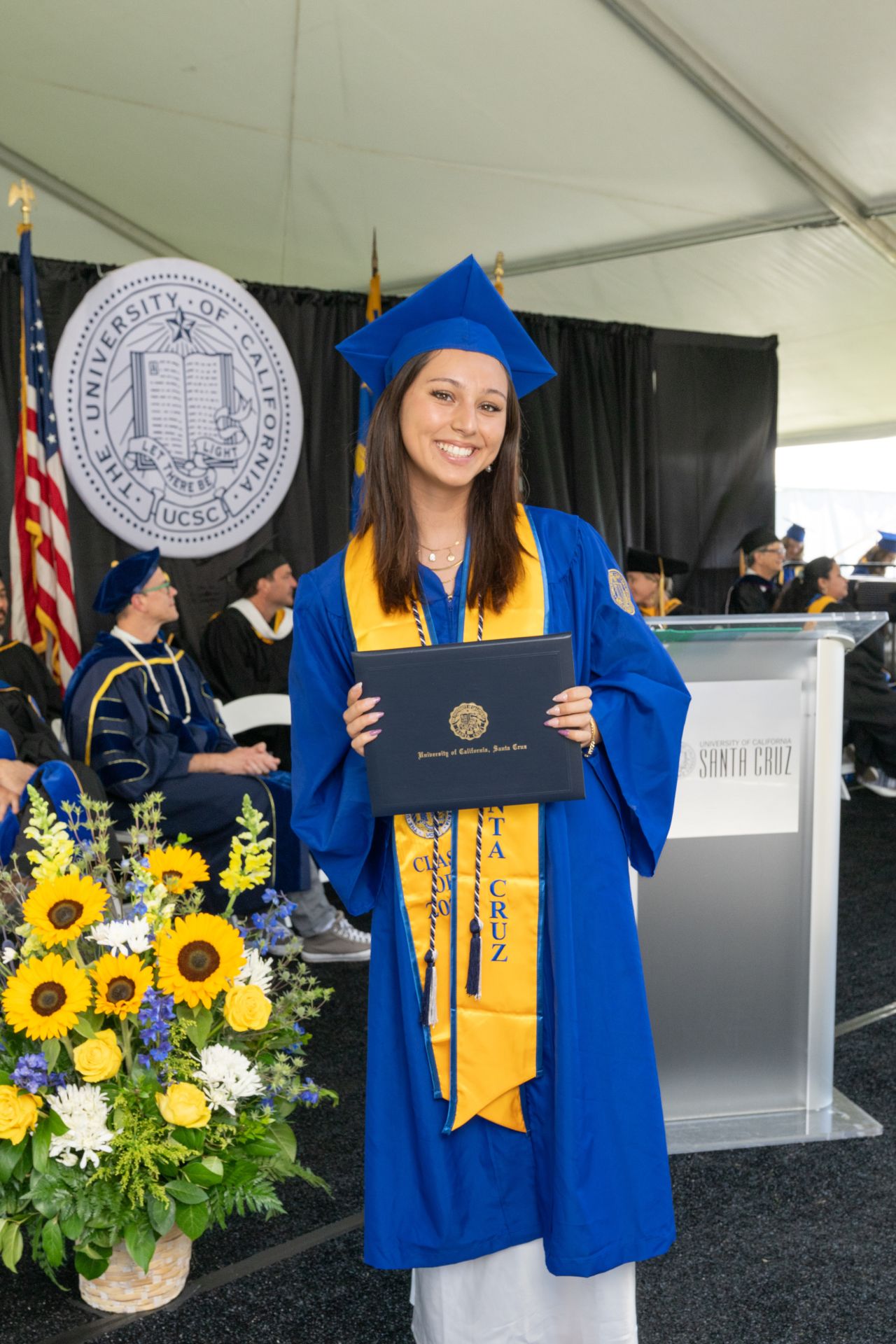

Gabby Goss (Porter ‘25, film and digital media), an East Bay-raised UC Santa Cruz alum, didn’t arrive on campus planning to finish in three years.
“I didn’t transfer in credits or come in planning a three-year path,” she said. “I was working the whole time, but I kept taking four classes each quarter, figured out how to balance my workload, and at some point realized, ‘Oh wait, maybe I could actually finish early.’”
During her time at UC Santa Cruz, Goss balanced a full course load with internships in film and marketing, from working with the dean of the arts to supporting women-led documentary filmmaking and local nonprofits.
“I wanted experience, not just classes,” she said. “I just didn’t want to wait to start doing the kind of work I was excited about.”
Graduating early gave Goss the freedom to pursue full-time work in film and begin developing her own independent video projects.
“At work, I’m constantly mapping out what comes next, what I need to learn, and how different choices connect. That started in college, when I realized I could actually build a plan that worked for me.”
Tresa Mariya Ignatius
Meeting students where they are
“The key is making sure students know the options they have,” said Hughey. “Tools like degree progress reports, and eventually integrated degree-planning tools, are essential for helping students explore different paths with confidence. Students can’t plan a three-year pathway if they don’t know what they’ve completed and what they still need.”
For Ignatius, the habits she developed at UC Santa Cruz did not end at graduation. She credits the planning mindset that helped her chart a three-year path with shaping how she approaches her work as a software engineer.
“I still think in milestones and options,” she said. “At work, I’m constantly mapping out what comes next, what I need to learn, and how different choices connect. That started in college, when I realized I could actually build a plan that worked for me.”
For UC Santa Cruz, the results reflect a decade-long focus on evolving the tools and systems that support the college experience students want.