Arts & Culture
A vision of freedom: the overlooked Black women activists who rallied for the vote in the Pacific Northwest
Long before women gained the right to vote nationwide in 1920, Black women in the Pacific Northwest were already working to shape political life—organizing clubs, building party networks, and mobilizing voters. Assistant Professor of History Quin’Nita Cobbins-Modica’s research shines a light on these overlooked political strategists. Her scholarship has earned her the 2025 Judith Lee Ridge Award, which recognizes the best article in any field of history published by a member of the Western Association of Women Historians (WAWH).
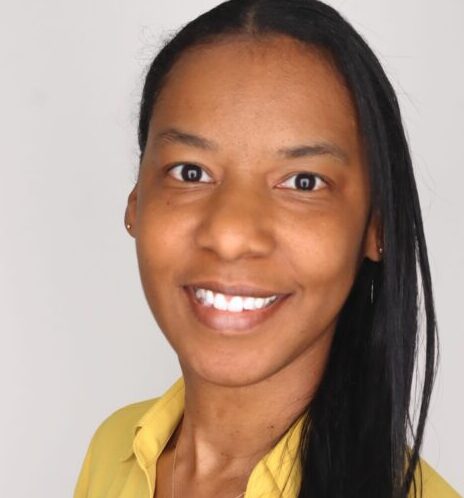
Assistant Professor of History Quin'Nita Cobbins-Modica
Long before women gained the right to vote nationwide in 1920, Black women in the Pacific Northwest were already working to shape political life—organizing clubs, building party networks, and mobilizing voters.
Assistant Professor of History Quin’Nita Cobbins-Modica’s research shines a light on these overlooked political strategists. Her scholarship has earned her the 2025 Judith Lee Ridge Award, which recognizes the best article in any field of history published by a member of the Western Association of Women Historians (WAWH).
The award honors her article, “Let us . . . take our places in public affairs’: Black Women’s Political Activism in the Pacific Northwest, 1870–1920,” published in the Western Historical Quarterly.
“I am deeply honored to have received this prestigious award,” Cobbins-Modica said. “Not only does it affirm the importance of my work, but it also recognizes the countless women who labored tirelessly, often in obscurity, to make real their vision of freedom. I am grateful to be able to continue to produce scholarship that recovers, centers, and amplifies Black women’s voices and experiences.”
The conventional narrative holds that African Americans, including Black women, did not fully gain the right to vote until 1965 with the passage of the Voting Rights Act, Cobbins-Modica said.
As she explains in her article, this was not true in the Pacific Northwest, nor in the American West more broadly, where Black women were among the earliest women voters in the nation.
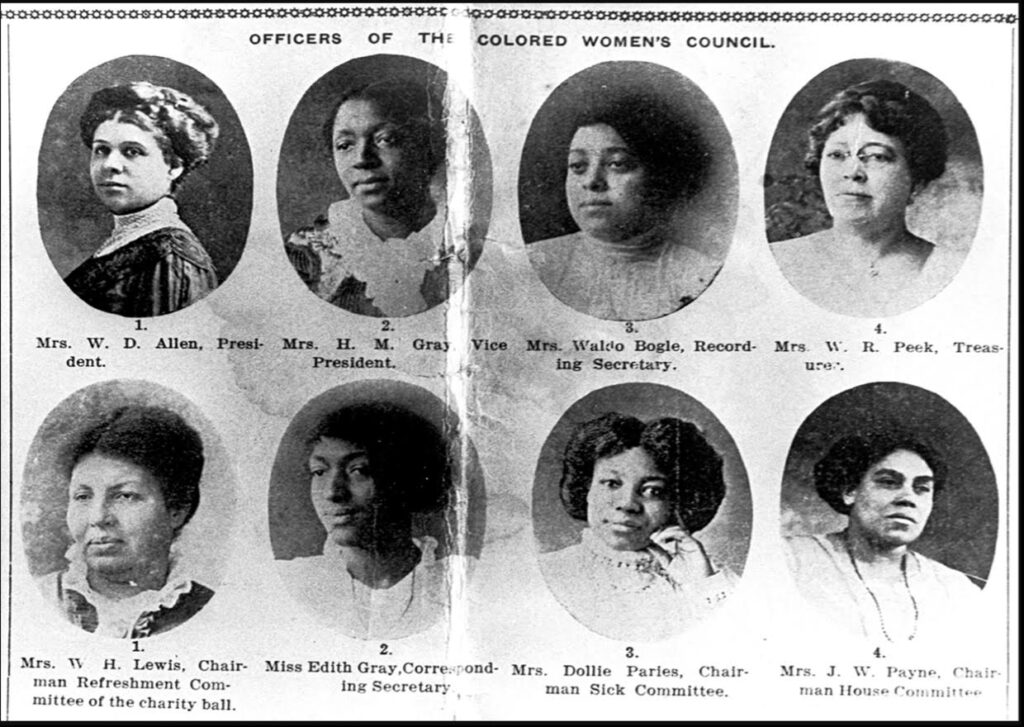
A long tradition of political organizing
Her research uncovers a long tradition of Black women’s political organizing and participation well before the ratification of the Nineteenth Amendment.
Not only were these women active in early western state suffrage campaigns, but they also developed political strategies, campaigned in elections, interrogated candidates and their platforms, crafted political agendas, and ran for public office to improve the lives of women, children, and workers.
Black women in the Pacific Northwest used their early access to the ballot to expand civil rights legislation, help secure passage of a federal suffrage amendment, and serve as surrogate voters on behalf of African Americans disenfranchised elsewhere in the nation.
“In other words, they worked to advance the interests of Black people and the most vulnerable communities,” Cobbins-Modica said.
Her article traces this activism from 1870 to 1920, challenging conventional timelines that place women’s political engagement primarily after 1920 and reframing Black women as central—not peripheral—actors in western political life.
Cobbins-Modica noted that Black women’s political history in the Pacific Northwest is often marginalized, in part because early western suffrage histories often focused on the leadership of white women, treating Black women as peripheral to the movement.
Her interest in the subject emerged directly from this near invisibility.
“In my studies of African American women’s history alongside the history of the American West, I learned that several western states had enfranchised women as early as 1869,” Cobbins-Modica said. “This raised critical questions for me about the political possibilities available to Black women residing in those regions. If Black women could vote in these states, then how did they leverage the ballot and their newfound political status?”
One of the figures she highlights is Alice S. Presto, whose 1918 campaign made her the first Black woman to run for elective office in the Pacific Northwest—and possibly the nation.
After Washington state granted women’s suffrage in 1910, Presto emerged as a prominent suffragist and political leader in Seattle’s small Black community.
Representing the 37th Legislative District, Presto faced four opponents and ran on a Progressive Era platform advocating equal pay for women, expanded widows’ pensions, worker protections, child labor reform, free public tuition for taxpayers’ children, and an end to discrimination.
Though she lost the election, Presto remained politically active, serving as treasurer of the interracial King County Republican League and continuing her leadership in the Women’s Political And Civic Alliance, the largest organized political body of black women in the state. Presto started the organization in 1916 and was its founding president.
Cobbins-Modica situates Presto’s candidacy not as an anomaly, but as the culmination of decades of grassroots organizing and political labor by Black women who had already learned how to navigate and shape electoral politics.
The Judith Lee Ridge Award is given annually to the author of the best article in any field of history published in English during the two years preceding the award year. Cobbins-Modica received this award last year and was formally recognized in April at the WAWH conference in Costa Mesa.