Health
Study works to uncover the impact of nutrition on the health of young adults
With funding from the National Institutes of Health, The Center for Economic Justice and Action is leading a study that will deepen our understanding of how food access affects lifelong health and how economic and social factors contribute to overall well-being among young adults.
For young adults in the United States, food access and habits can shape the trajectory of cardiovascular and metabolic health for years to come, and influence whether people develop chronic diseases such as obesity or type 2 diabetes as they age.
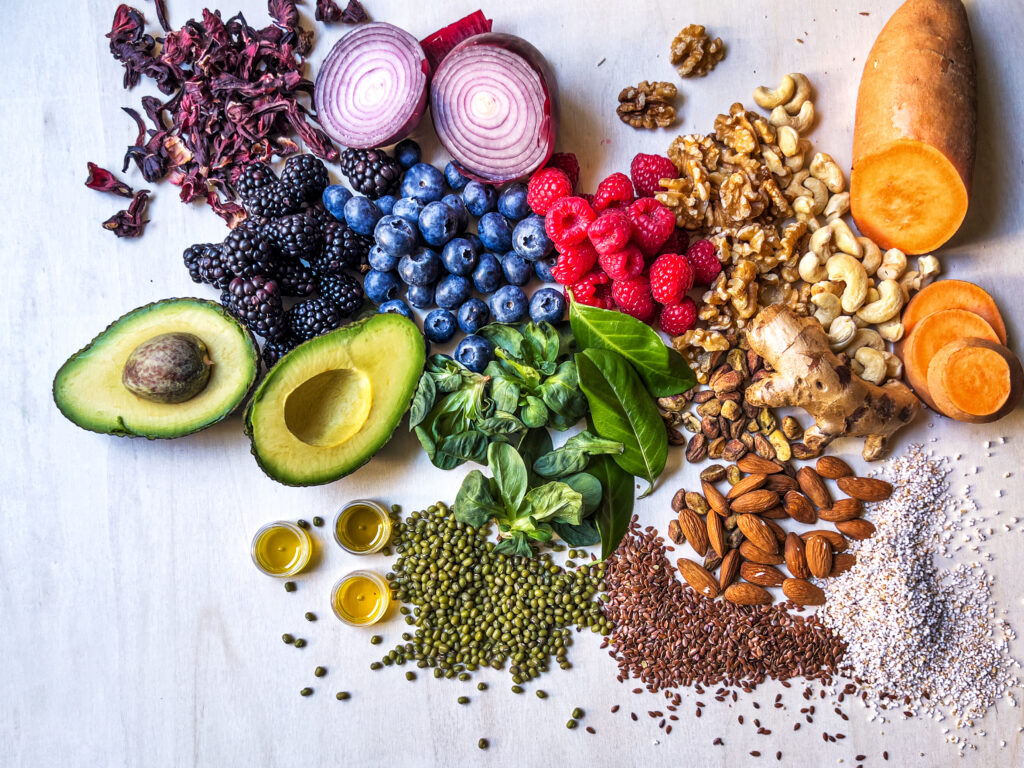
To make healthy food choices, people first need access to nutritious foods, given that poor nutrition is a contributing factor to chronic disease. Unfortunately, sufficient access to sustaining, nourishing food among young adults and college students remains a significant concern. About 30 to 40 percent of full-time college students lack access to enough food and food with the proper nutrition.
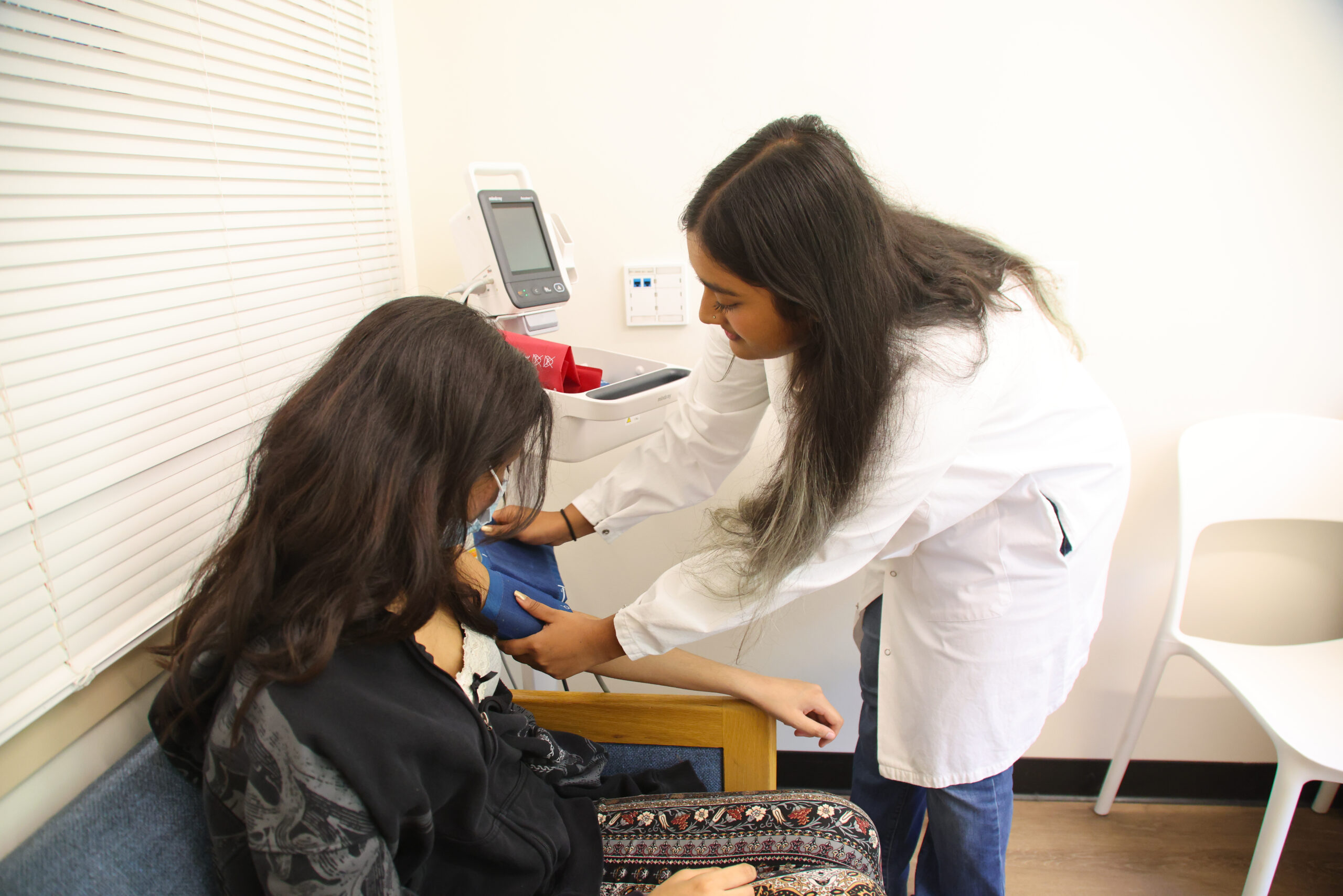
The Food, Rest, Exercise, and Student Health (FRESH) study, carried out by the UC Santa Cruz Center for Economic Justice and Action with funding from the National Institutes of Health, deepens our understanding of how food access affects lifelong health and how economic and social factors contribute to overall well-being among young adults. In collaboration with UC San Francisco, researchers are investigating behaviors such as diet, sleep, physical activity, and nicotine exposure, along with health factors including body mass index, blood lipids and glucose, and blood pressure, to gain a clearer picture.
“If we want to tackle chronic disease and set the next generation up for long-term health, then it’s important to understand what’s happening with young adults,” said Heather Bullock, one of several Principal Investigators on the project and director of UC Santa Cruz’s Center for Economic Justice and Action. “Too many people in this age group are struggling to meet their essential needs, and this has serious consequences for both individuals and society. This is an area where we can make a major impact.”
UC Santa Cruz Chancellor Cynthia Larive routinely emphasizes that nutritious food is foundational to student success. “That’s why we work so hard to ensure our students’ basic needs are met. The FRESH study will deepen our understanding of this crucial stage of young adulthood and hopefully provide universities nationwide with data showing why robust basic-needs programs matter.”
Nutrition’s role in health outcomes
As part of the team’s multi-year longitudinal study, a research cohort of 340 students from UC Santa Cruz is being monitored. The campus was selected for its longstanding strengths in leading work to meet the nutrition needs of students, including helping to establish food pantries across the UC system, as well as for its students themselves, who represent key demographics among college students in the United States.
College students are often not included in conversations about food choices, mainly due to the assumption that they rely on traditional family structures for financial support. Federal financial assistance through Pell Grants does not fully support all aspects of a student’s life on campus, such as the total cost of attendance. Similarly, safety net programs, like the Supplemental Nutrition Assistance Program (SNAP), generally exclude college students from receiving benefits. Researchers suspect that increased access to nutritious food can have a multiplying positive effect on students’ ability to engage on campus and in their own lives.
“Many low-income students in the K-12 system benefit from the National School Lunch Program, but when they graduate from high school, this support goes away, even though the need has not,” said Suzanna Martinez, a UCSF associate professor who is one of the project’s Principal Investigators. “What if not having nutrition programs available to college students has long-term effects on cardiovascular and metabolic health?”
Gwen Chodur, the UC Santa Cruz postdoctoral scholar leading the FRESH study added, “Many college students are living independently for the first time and making their own grocery decisions, from what to buy to meal prepping and creating their habits surrounding shopping, cooking, and eating.”
Researchers hope that this study will provide further rationale for increasing funding for programs that improve nutrition among college students. It could also provide insight into new ways of thinking about nutrition for long-term health.
New methodology offers new insights
Previous studies on nutrition and health have primarily examined students at a single point in time, using cross-sectional data collected through surveys. The FRESH study’s novel design enables researchers to understand the impact of nutrition on cardiovascular and metabolic health over time.
The study also draws on emerging adulthood theory, which focuses on the developmental period from age 18 through the mid-20s, during which young adults have differing needs from other adults due to developmental and social processes. For many students, attending college is also the first time they are responsible for crucial decisions regarding their nutrition and health.
The study will help researchers identify crucial interventions for young people. It also takes into consideration psychological factors that could impact students’ cardiovascular and metabolic health. The significance of this research lies in its implications for individuals, policymakers, and medical practitioners.
“Some of the earliest markers of cardiovascular disease start to develop around early adulthood. If we could ensure that this population starts off at a good point and delays the onset of disease, then that would be more years of healthy life that a person might experience later on,” said Gwen Chodur.
For the study’s undergraduate research assistant, Abi Shepard, this experience has been integral to helping foster the skills and perspective she’ll need to become a doctor one day and provide direct patient care that addresses chronic disease.
“It has been gratifying to be able to take real health measurements, interact with participants every day, and have meaningful conversations,” she said.
The research team expects to conclude the study in approximately a year and a half, after data analysis is complete. Preliminary results will be shared nationally at conferences, across the UC system, and periodically on the center’s website.