Social Justice & Community
Redefining systems of care: Alumna works to advance health equity across California
Alumna and co-CEO of Essential Access Health Dr. Nomsa Khalfani (Kresge ’91, sociology) works to advance sexual and reproductive health equity across California and is a public health leader in her community.

Key takeaways
- Dr. Nomsa Khalfani built a career centered on equitable sexual and reproductive health, ultimately becoming co-CEO of Essential Access Health and a leader in advancing maternal health equity across California.
- She credits her time at UC Santa Cruz to opening her eyes to the power of advocacy and collective action. She was part of the Black Student Union, EOP’s Big Sister Big Brother program, and Delta Sigma Theta Sorority, Incorporated.
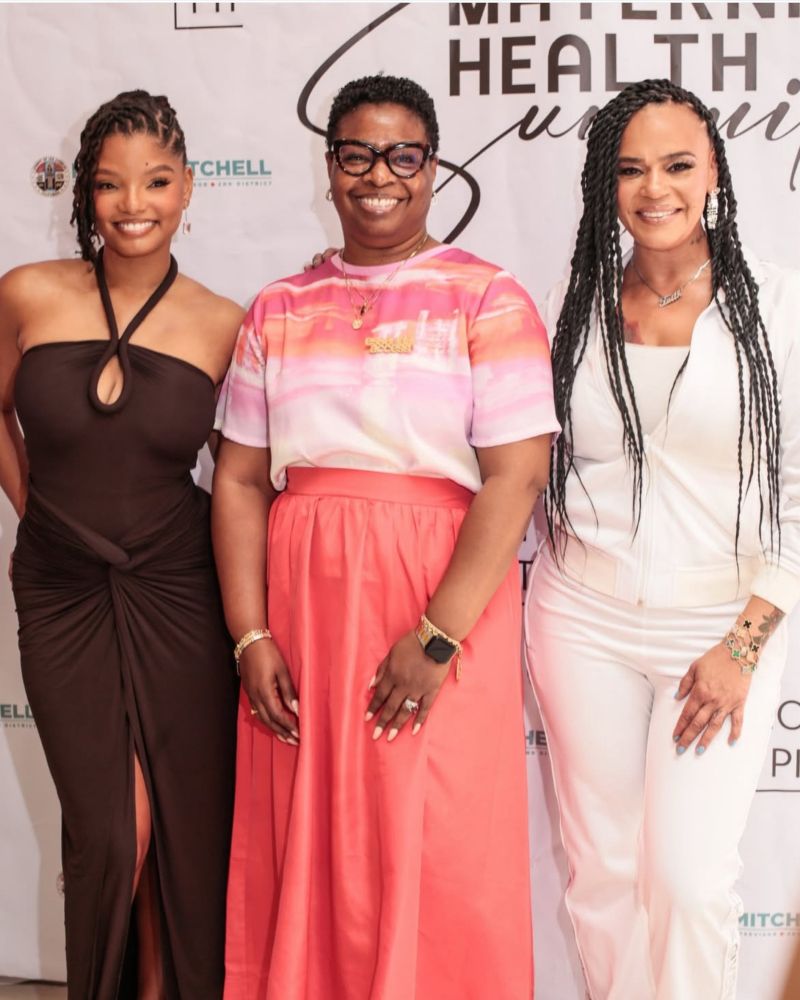
Dr. Nomsa Khalfani (Kresge ’91, sociology), a leader in sexual and reproductive health justice, grew up with a deep commitment to giving back to her community. She credits her time at UC Santa Cruz with strengthening that sense of responsibility and shaping her into the leader she is today.
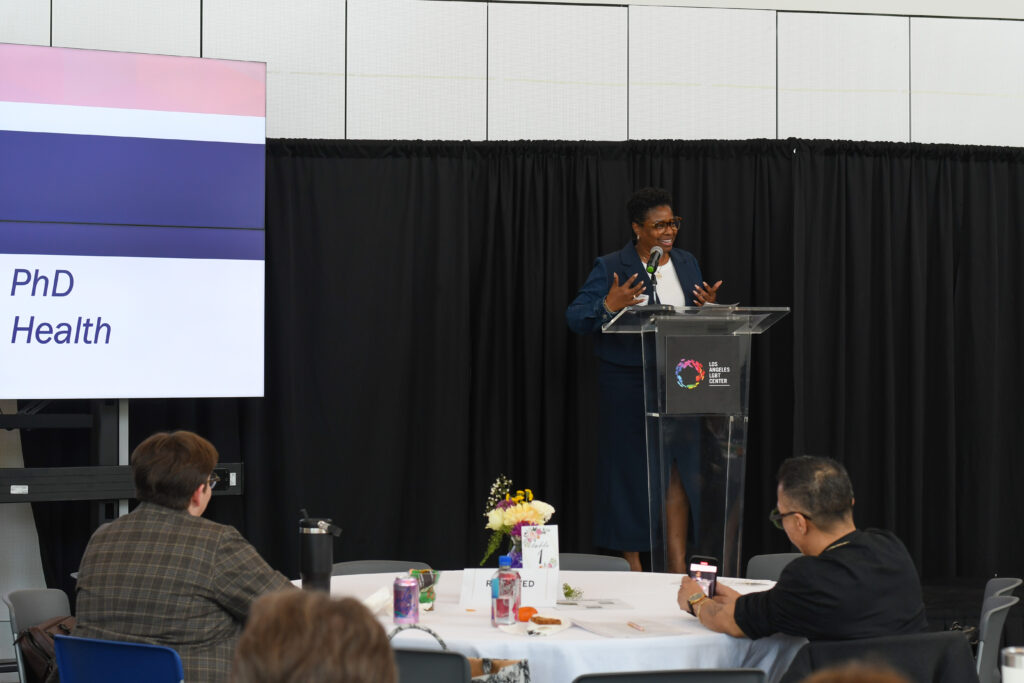
Khalfani was recently celebrated for her commitment to community as co-CEO of Essential Access Health, a sexual and reproductive health organization. She received the Health Equity Award at the inaugural Maternal Health Summit in recognition of her work to advance maternal health equity across Los Angeles.
“To be recognized for the work I love is both humbling and deeply meaningful,” she said. “It gave me a moment to pause, reflect, and celebrate the wins — every step in advocating for equitable access to health care.”
UC Santa Cruz: Cultivating a leader
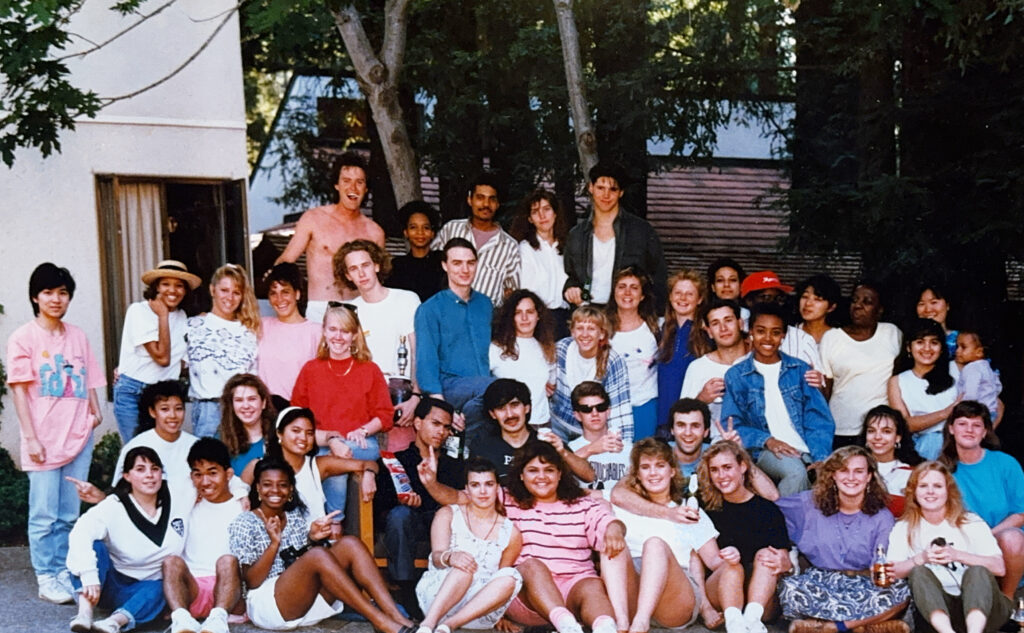
Khalfani’s time at UC Santa Cruz opened her eyes to the power of advocacy and collective action. Through her involvement in the Black Student Union, where she says she learned what it meant to fight for and be a part of something larger than herself.
She was part of the Educational Opportunity Program’s (EOP) Big Sister Big Brother program, where she was paired with an upperclassman mentor who helped her navigate college life and academic expectations. EOP quickly became more than a resource — it became family. The support and sense of belonging she found there ignited her commitment to pay it forward, inspiring her to mentor and uplift others by sharing what she learned.
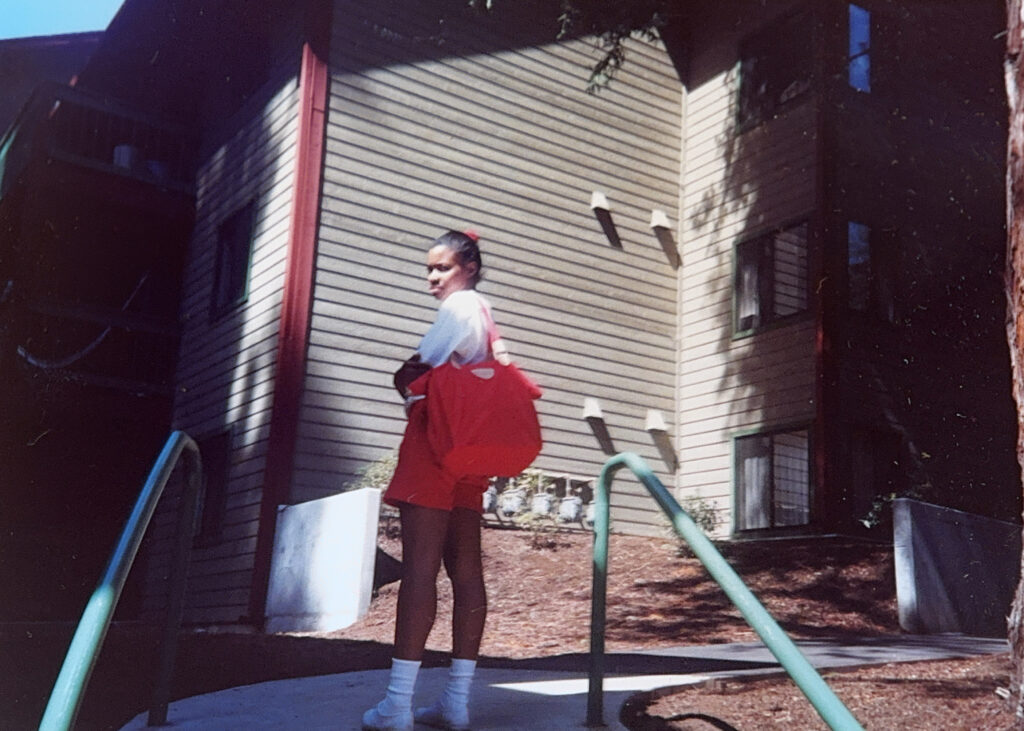
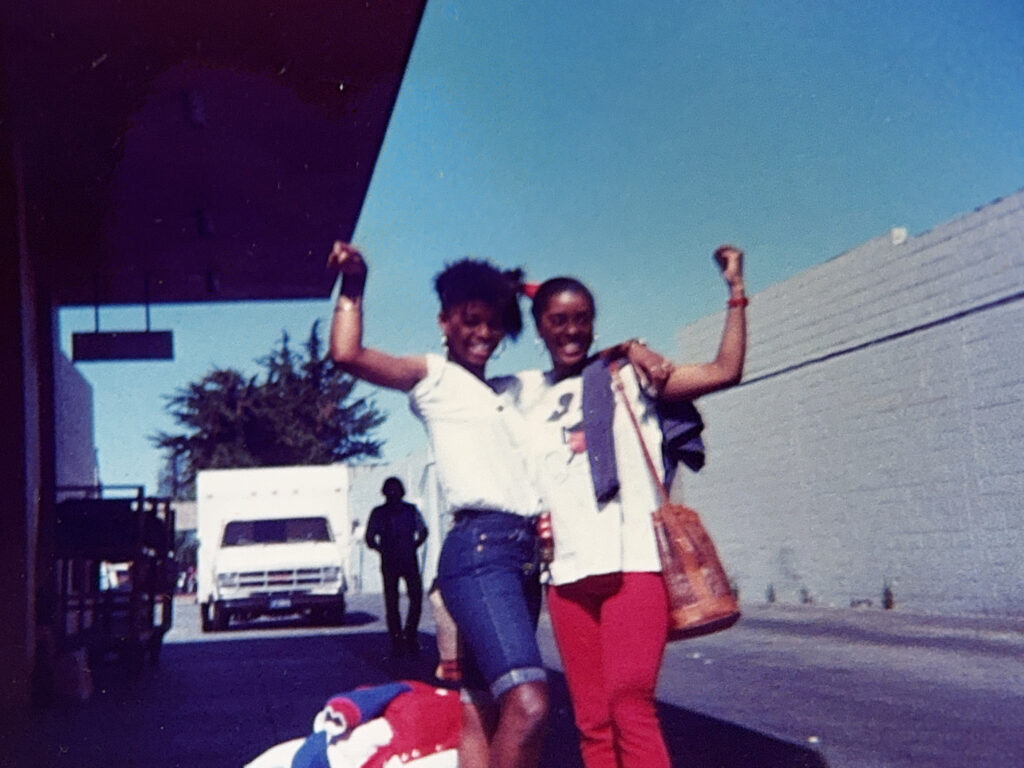
During her junior year, she became a member of Delta Sigma Theta Sorority, Incorporated — the first Black Greek letter organization on campus — and later served as chapter president her senior year. Through Delta and the broader Black community at UC Santa Cruz, she formed deep, lasting friendships and discovered a powerful sense of identity and purpose. These experiences helped her step into her leadership with confidence and clarity about who she wanted to be and how she wanted to show up in the world.
“UC Santa Cruz didn’t just show me I could be a leader—it showed me I already was one,” she said. “Those experiences revealed my voice, my power, and my capacity to lead long before I saw it in myself.”
A career rooted in care
Following her undergraduate education, Khalfani pursued a master’s degree in marriage, family and child therapy from Phillips Graduate University. She later pursued a Ph.D. in public service leadership at Capella University, graduating in 2014. She spent the early part of her career in child welfare and as a licensed therapist before transitioning to sexual and reproductive health care.
Khalfani spent nearly 10 years working in child welfare at a foster finding agency. Over time, she began to feel the strain of working in foster care, noting that, despite committed individuals, the system often made it difficult to prioritize children’s wellbeing. She began working for St. John’s Community Health, a federally qualified health center, helping to launch their behavioral health program.
One of the programs Khalfani oversaw at St. John’s was their Title X Family Planning Program, a federal program dedicated to providing low- and no-cost birth control and other reproductive health care. She also served as St. John’s chief policy and support services officer.
“[Working at St. John’s] really resonated with me because I wanted to make sure that families, particularly Black families, had access to the care they needed,” Khalfani said.
Khalfani transitioned to Essential Access Health in 2014. She emphasizes the importance of ensuring that every person can receive care with dignity and respect, free from shame or stigma.
“This is [Essential Access Health] exactly where I’m meant to be,” Khalfani said. “Here, I’m able to drive change in ways I wasn’t able to before.”
Khalfani is proud to lead Essential Access during this time of national threats and rollbacks to progress in public health and science.
“Even in this challenging time, I know I’m exactly where I need to be. My role allows me to push for change, fight the good fight, and help shape a future where everyone benefits,” Khalfani said.
Beyond her professional role, Khalfani is a committed public health leader in her community. She currently serves as president of the Los Angeles City Health Commission and as board chair of Cadre, a South Los Angeles nonprofit developing parent leaders and advocates. She has served on multiple steering committees focused on improving Black maternal and infant health outcomes. She also sits on the board of the National Family Planning & Reproductive Health Association and was recently selected to the California Department of Health’s Office of Health Equity Advisory Board. Her leadership extends across local, statewide, and national platforms — all driven by her commitment to equity and community voice.
Khalfani has been married for nine years and is the proud mother of a 31-year-old daughter — her “pride and joy.”
Much of her leadership journey has been shaped by her experience as a single mother raising her daughter. Every career decision, she said, was guided by a desire to model possibility — to show that success doesn’t follow one prescribed path. Surrounded by strong women throughout her life, Khalfani draws strength and purpose from the sacrifices and resilience of those who came before her.
“I stand on the shoulders of my grandmothers and great-grandmothers,” she said.“Their sacrifices paved the way for me. Everything I do — every room I step into — is an attempt to honor them. I want them to be proud.”