Technology
From the humanities to tech leadership: Alumna Lúcia Soares’s journey from UC Santa Cruz to Carlyle
UC Santa Cruz alumna Lúcia Soares is the CIO and Head of Technology Transformation at global investment firm Carlyle. Soares credits her humanities background with giving her critical skills that were essential to her growth in the tech industry.

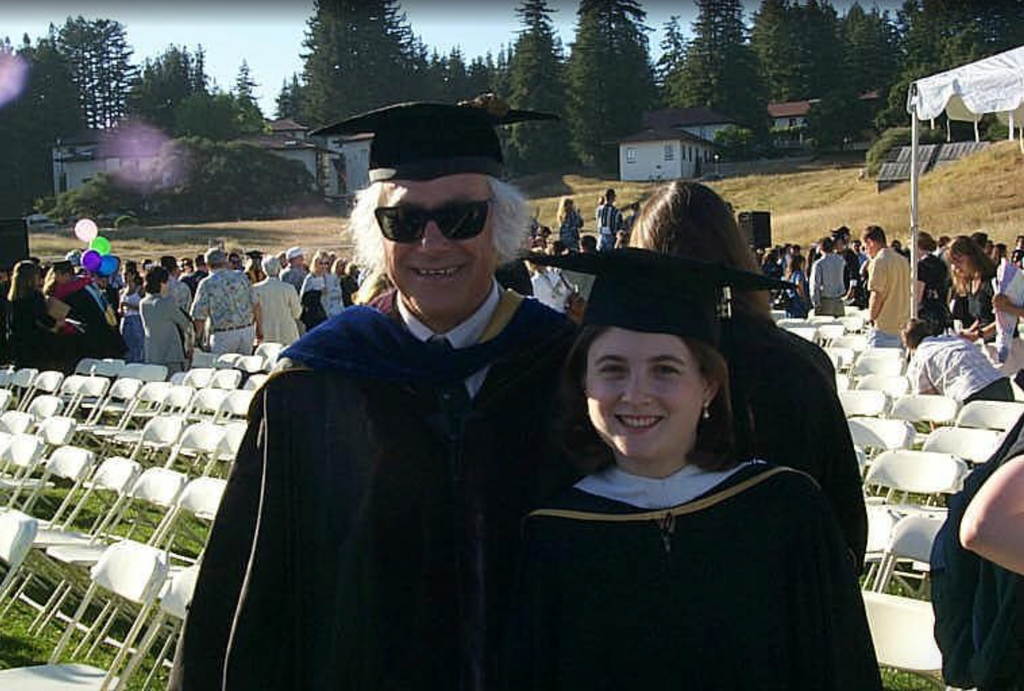
Lúcia Soares graduated from UC Santa Cruz with a Master's degree in literature.
Lúcia Soares’s career reflects a breadth of expertise, from building user experience practices on the West Coast in the early days of the web, to holding strategic leadership positions at multiple high-growth medical device businesses and major healthcare companies. Today, Soares serves as Chief Information Officer and Head of Technology Transformation at Carlyle, a global investment firm.
For Soares (M.A. ’99, literature), that growth has been rooted in a willingness to embrace new paths, saying yes to opportunities that push her beyond what feels familiar, and drawing on a foundation in the humanities that continues to shape how she leads.
Soares graduated from UC Santa Cruz in 1999 as a first-generation student, earning a Master’s degree in literature after completing her B.A. in foreign languages at San Jose State University. Her time at UC Santa Cruz was shaped in particular by two Humanities Division professors: Michael Warren, professor emeritus of English literature, and Jorge Aladro Font, professor of literature.
When Soares was deciding where she wanted to attend graduate school, she visited multiple institutions. When she made her way to UC Santa Cruz, she met with Aladro Font, who welcomed her and solidified her decision to apply to the university. While at UC Santa Cruz, Soares worked with both Aladro Font and Warren closely. When she made the decision to pursue a Master’s instead of a Ph.D., Warren gave her the support she needed and they continue to stay in touch to this day.
“Professor Warren was so gracious about my transition and helping me through that. He’s just an amazing example of someone who truly cares about a student’s success,” Soares said. “Professor Aladro Font was the reason I went to UC Santa Cruz. He could really bridge the gap between the theory of literature and what it meant to have an impact on someone’s life, development of their consciousness, values, ethics, and so on.”
As Soares was studying literature, the technology field started to boom. She saw an opportunity to be a part of something that was going to change the world.
“I reached a fork in the road, and I thought that the technology world was so fascinating,” Soares said. “I realized at that moment that maybe this internet thing would all explode and go away, or it might be the most significant thing that I could contribute to. It was something I had never really thought about, but opportunity was knocking.”
She started in consulting at an early Internet professional services agency, USWeb / marchFIRST, where she partnered with clients to build first-generation web solutions and built the west coast User Experience practice. She spent 15 years at Johnson & Johnson, serving in a variety of executive roles. As CIO and operating company board member of multiple high-growth medical device businesses, she created strategies to grow and optimize businesses with the use of technology. Prior to her current role at Carlyle, Soares served briefly as the managing director at Health2047 leading venture formations that addressed U.S. healthcare challenges.
Soares joined Carlyle in 2019, working in various leadership roles and now serves as the chief information officer and head of technology transformation, driving the firm’s global technology and AI strategy and leading the firmwide Global Technology Solutions organization.
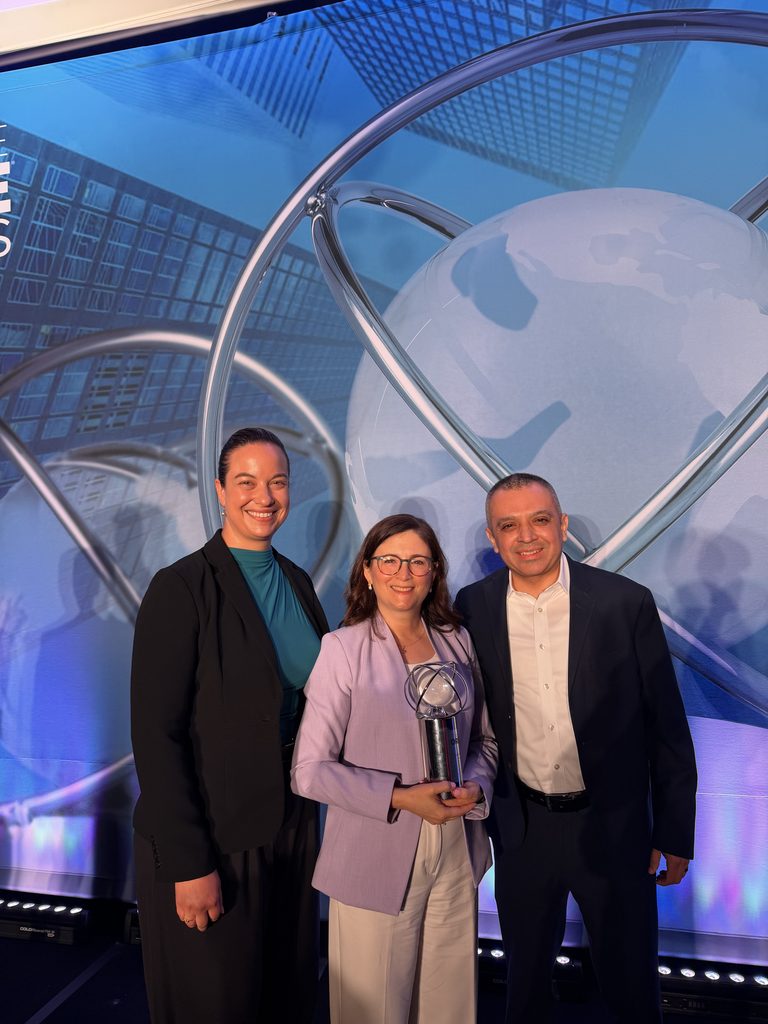
In June, Soares received the Global CapitalCIO ORBIE Award, an award that recognizes C-suite leaders in organizations with over $2 billion annual revenue & multi-national operations.
“It’s a recognition of the team coming together and delivering something special,” Soares said. “ORBIE awards are given to people who have had many years of experience driving technology organizations, but have also driven culture development among their teams and an impact in the business that they’re driving. And to me, being able to be recognized for that, it was a recognition of this amazing group that my leadership team and I have built together, and the results that they’ve driven.”
Soares credits her humanities background with giving her the unique skills needed to succeed in the technology industry.
“When I started in the workforce, I felt like I was at a disadvantage because I didn’t have a degree in computer science or engineering. But what I realized was I had such richness in being able to communicate effectively and organize my thoughts, and understanding the argument behind making a point, how to sell an idea, and how to stay organized.”
Soares’s advice to current students is simple: do not be afraid. In a world marked by economic and political uncertainty, she reminds students that every generation faces challenges that feel insurmountable, and every generation finds a way through. She encourages students, especially humanities majors, to lean into their strengths rather than feel overshadowed by more quantitative fields, and to find a mission that drives them forward. Her practical advice is to network relentlessly and not wait for the perfect opportunity. Just get started.
“Look at these challenges as opportunities to drive innovation and change in society,” Soares said. “Lean into fulfilling a mission, fulfilling something that will have an impact on the world.”