Climate & Sustainability
Grants support DIY irrigation and smart, electric tractors for specialty crop growers
Two projects are receiving support from the USDA 2025 Specialty Crop Block Grant Program.
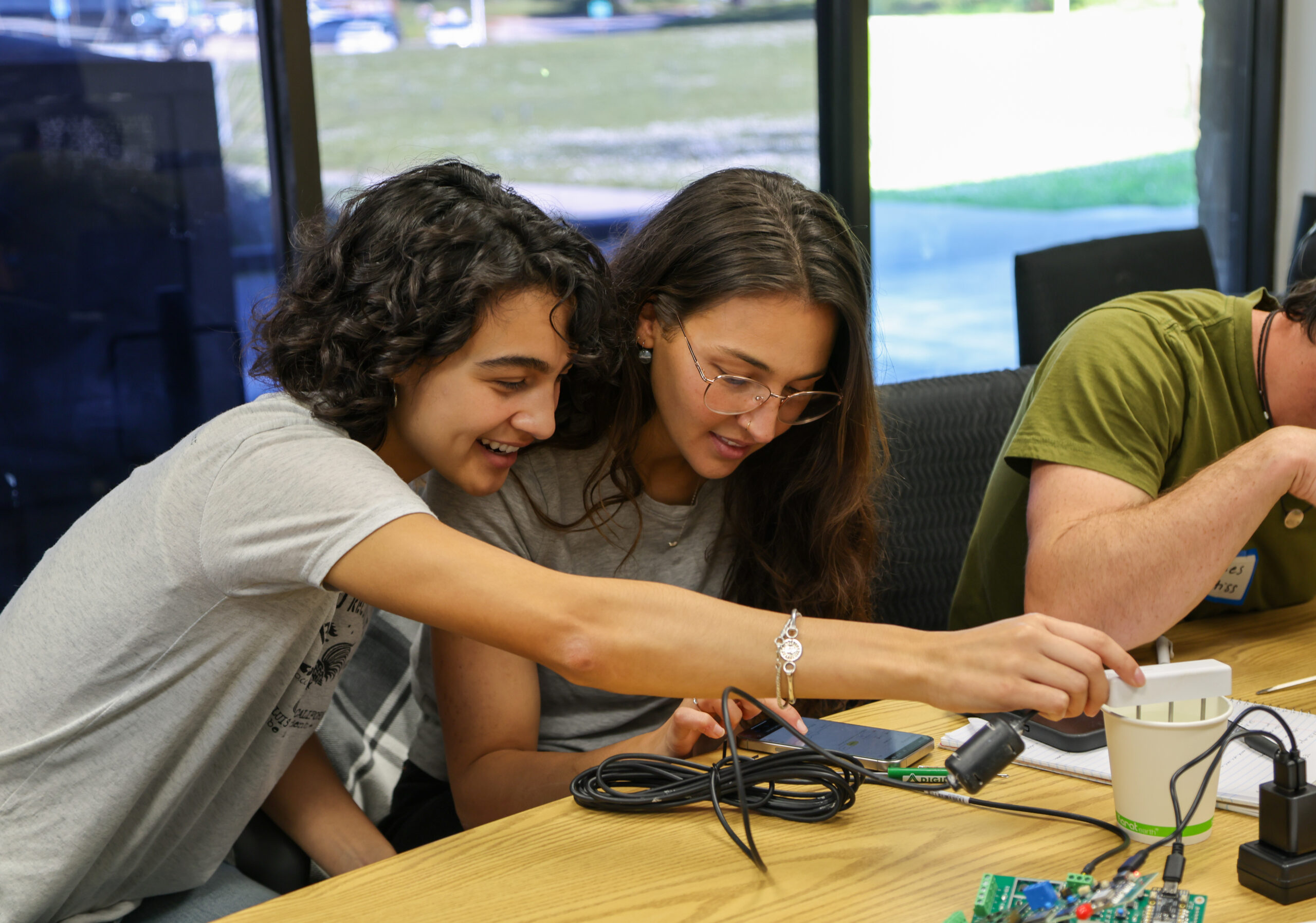
Researchers are designing and prototyping a system of accessible, open source irrigation hardware.
Photo by Carolyn Lagatutta
Press Contact
Two interdisciplinary research teams at the University of California, Santa Cruz, will develop agricultural technology for farmers with the support of grants from the U.S. Department of Agriculture’s (USDA) 2025 Specialty Crop Block Grant Program.
Both teams represent collaborative efforts between researchers at the UC Santa Cruz Center for Agroecology, the Environmental Studies department, and the Electrical and Computer Engineering (ECE) department within the Baskin School of Engineering. All of the researchers are associated with UC Santa Cruz’s AgTech Alliance, an interdisciplinary effort to build ethical agricultural technology for a sustainable future.
“Both of these projects represent what we are trying to achieve as the UC Santa Cruz AgTech Alliance: socially responsible solutions for the emerging challenges faced by farmers and other stakeholders in agriculture and food production,” said Colleen Josephson, co-director of the Ag Tech Alliance and a grant awardee.
These projects are also connected to UC Santa Cruz’s designation as an Agricultural Experiment Station (AES), in which faculty conduct land-grant mission research and transfer basic and applied knowledge to the public. AES functions are overseen by the University of California Agriculture and Natural Resources (UCANR).
DIY irrigation for specialty crops
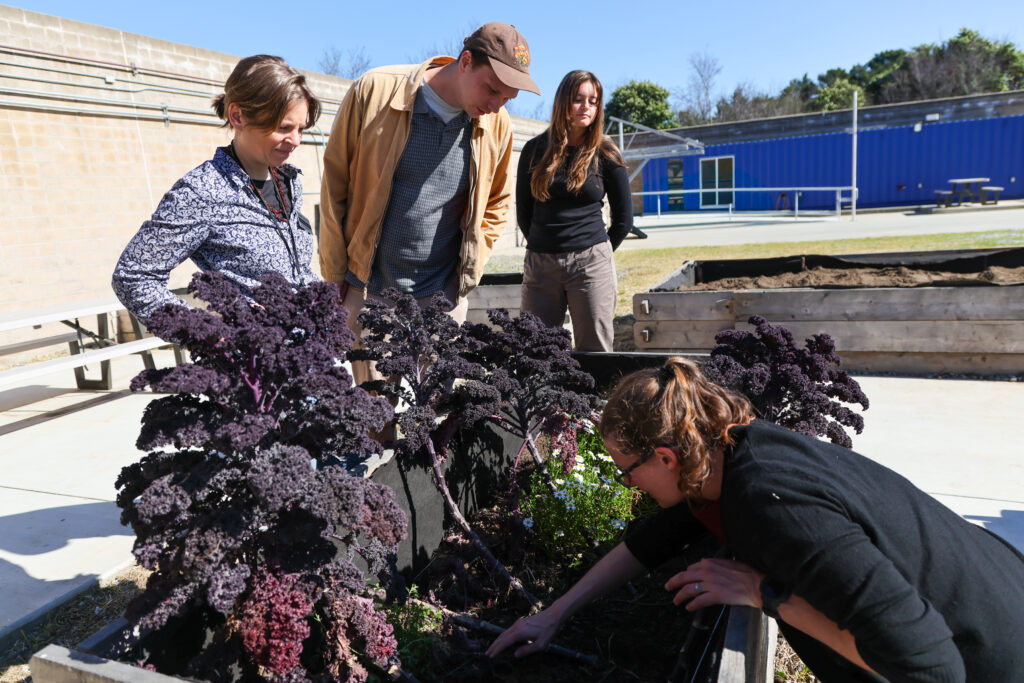
Automated irrigation systems use electromagnetic valves and sensors to efficiently and effectively water crops, improving crop yield and reducing water waste. However, many farmers can’t access these benefits because the systems are expensive, complex, and difficult to scale.
A project led by UC Agriculture and Natural Resources (UC ANR) Cooperative Extension Specialist Crystele Leauthaud and Assistant Professor of ECE Colleen Josephson aims to address these issues with a lower-cost, do-it-yourself solution for specialty crop farmers. They are designing and prototyping a system of accessible, open source hardware to interface with tensiometers, which measure soil tension, and soil moisture sensors. The system will monitor soil water status and can be easily connected to irrigation valves.
The researchers will test their system at the UC Santa Cruz farm and work with farmers and urban gardeners in Fresno, Santa Clara, Santa Cruz, and Monterey counties to ensure it is easy to use and to incorporate the needs of farmers into the design. They will develop guidelines for the system in multiple languages, hold workshops, and provide direct assistance to growers so the technology can be used successfully.
This project expands on the researchers’ CITRIS-funded effort to build a low-cost, open-source environmental sensing platform co-designed with small growers to support equitable climate adaptation. More information is available at this website, and the team invites farmers to get in touch if they are interested in learning more.
Intelligent electric tractors
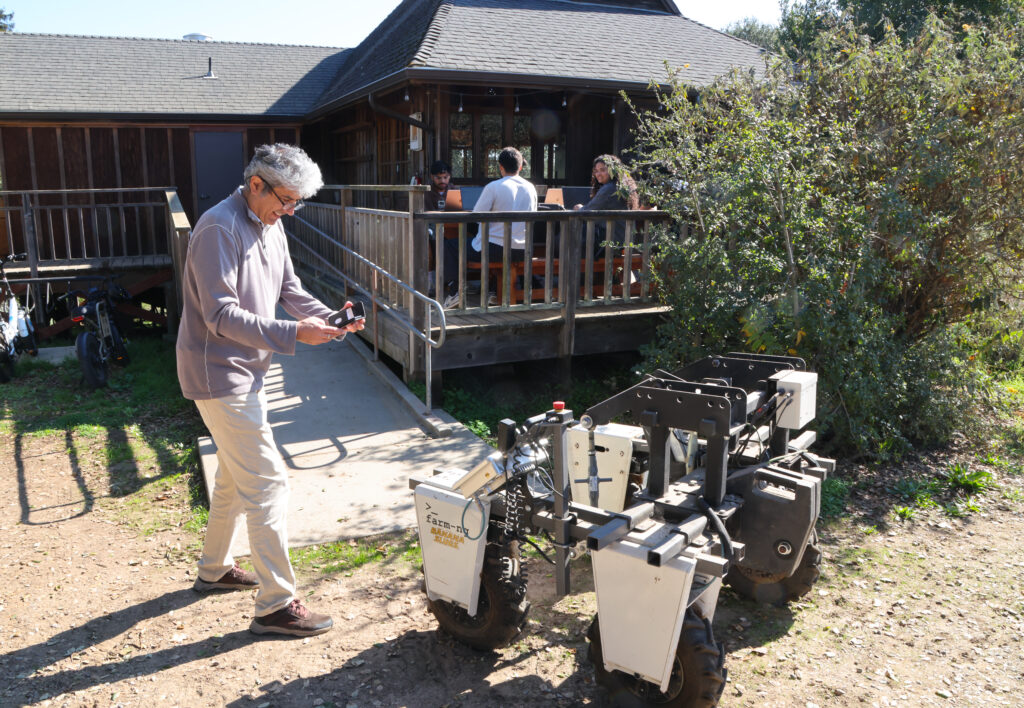
Speciality crop producers are increasingly encouraged to adopt electrification of technology on their farms. To support local farmers in doing so, a project led by Center for Agroecology Executive Director Darryl Wong and Professor of ECE Dejan Milutinovic will work with a cohort of five small, organic specialty crop producers in the region to co-develop ways to make small, electric tractors that operate independently to assist with planting, weeding, and harvesting.
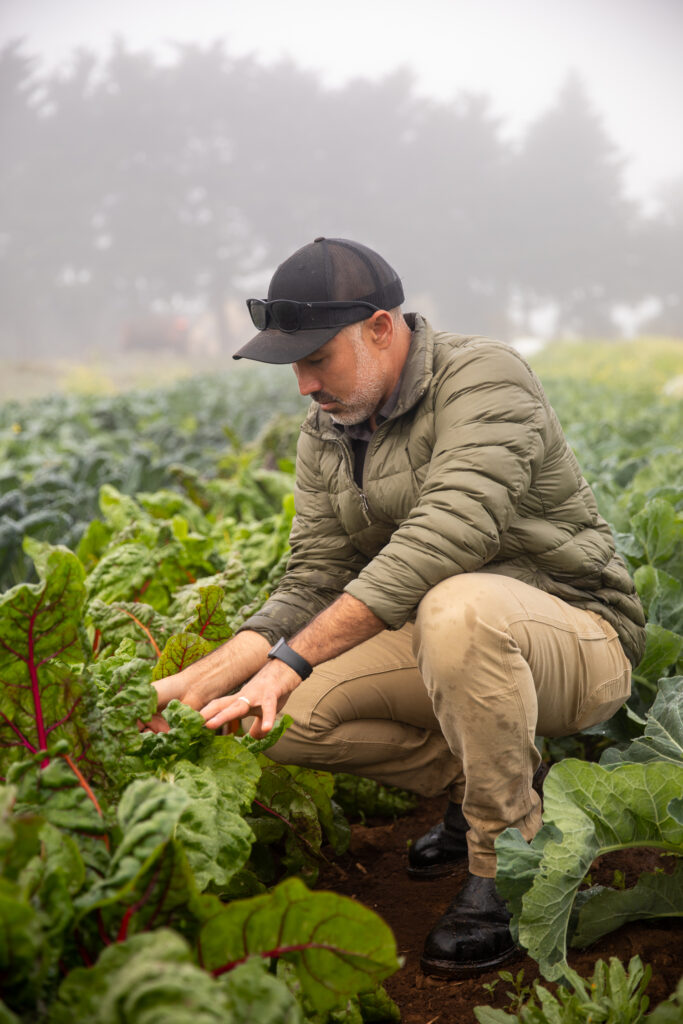
The research team will work directly with farmers on-site to define their needs, co-design tools, and deploy new fleets of electric tractors. The tools will be built in collaboration with local vendors and fabricators.
At UC Santa Cruz, the team will also continue to develop AI software tools with a focus on safety and the aim to reflect the learned needs of the farmers, enabling the tractors with computer vision navigation tools and possibly low-cost autonomy. They will develop tools for wireless control of the tractors using mobile phones or affordable videogame joysticks to enable safer and more predictable movement of the machine. Their software will be open-source and built for the operating systems and hardware standard in the Ag Tech and robotics fields.
This project continues several years of work by Multinovic and Wong, initiated by a UC Santa Cruz CITRIS seed grant and supported by the UCSC Office of Research. Award-winning Farm Robotics Challenge student teams have also contributed to the development of this technology.
Funding for these projects was made possible by a grant from the U.S. Department of Agriculture (USDA) Agricultural Marketing Service. Its contents are solely the responsibility of the authors and do not necessarily represent the official views of the USDA.