Campus News
New basic needs directory provides UC students with one stop shop for resource information
With assistance and input from students and UC’s basic needs community of practice, the Center for Economic Justice and Action has launched a directory and an AI-powered chatbot to help UC community members locate critical basic needs resources.
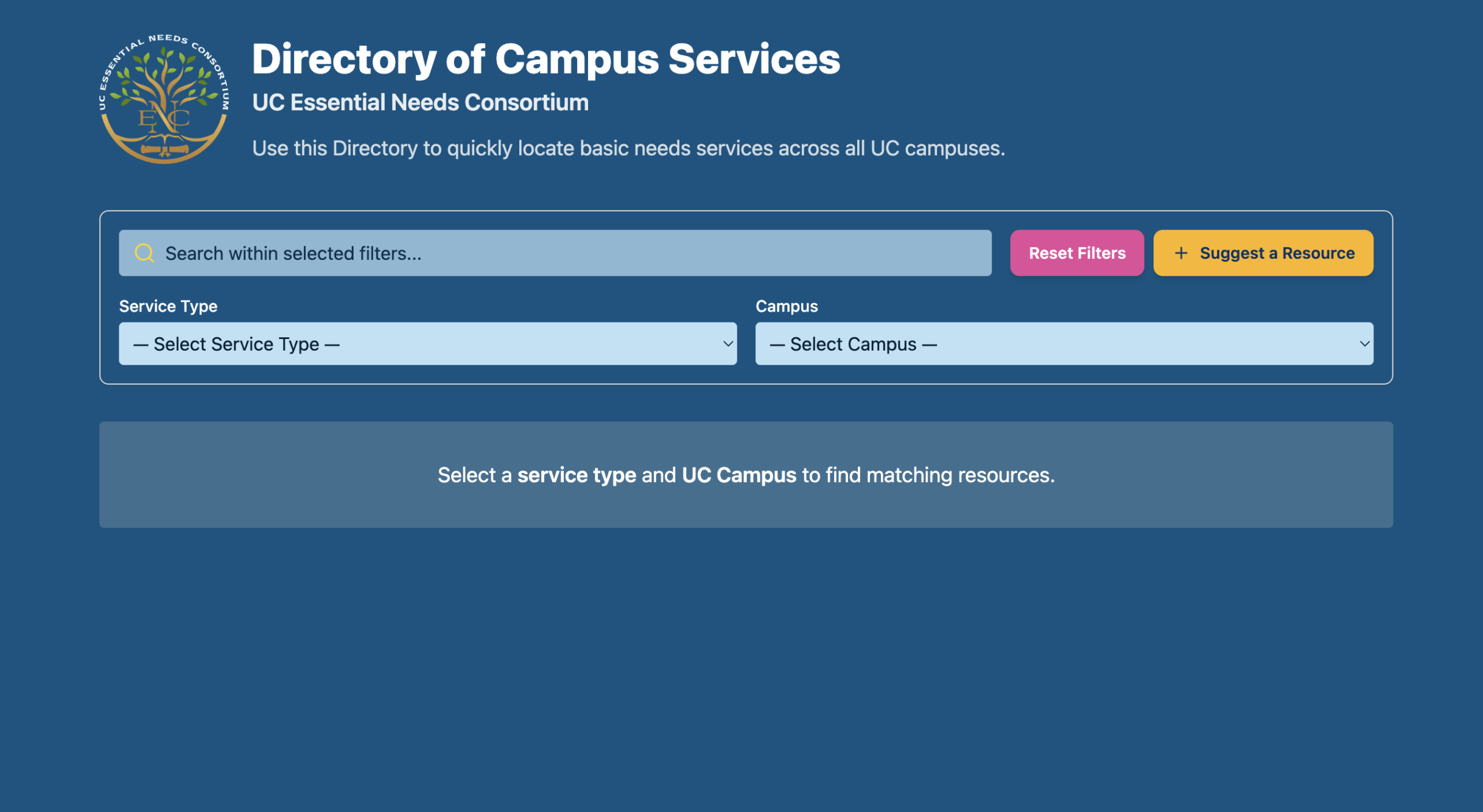
Amid technological advancements and societal crises, finding accurate online information quickly and easily can be difficult. A new tool developed by UC Santa Cruz researchers and graduate students at the Center for Economic Justice and Action provides a streamlined online resource for basic needs information across the University of California system. Through a simple directory and an Artificial Intelligence-based chatbot, campus community members can find their closest campus food bank, health clinic, technology and transportation assistance, and more.
“The creation of the UC Essential Needs Directory and Navigator came from the center’s research, in which we heard from students about their experiences with housing and food insecurity,” said Heather Bullock, the center’s faculty director. “Students wanted a comprehensive directory where they could find out about assistance at any time of day or night at their own convenience. We saw this as a way to increase access and help reduce stigmas about accessing these resources.”
The project received funding from the University of California Office of the President to help connect students across the system with resources. Five years later, the team has publicly launched the directory and navigator chatbot, which will be managed collaboratively by the UC Essential Needs Consortium housed at the Center for Economic Justice and Action.
Responding to students’ needs through accessible information
When students returned home during COVID-19 pandemic-related campus closures, it prompted UC campuses to begin serving all UC students, regardless of their home campus. Yet, many students were unaware of food pantries and other resources beyond their home campus.
“Out-of-date content across university websites led to a lot of confusion for students seeking resources who are unfamiliar with other UC campus support,” said project lead and UC Essential Needs Consortium Education and Training co-director, Tim Galarneau. “Our goal was to create a tool that would provide up-to-date information with curated resources that basic needs managers recommend to students. The directory helps us serve more students without them needing to navigate through multiple websites and pages.”
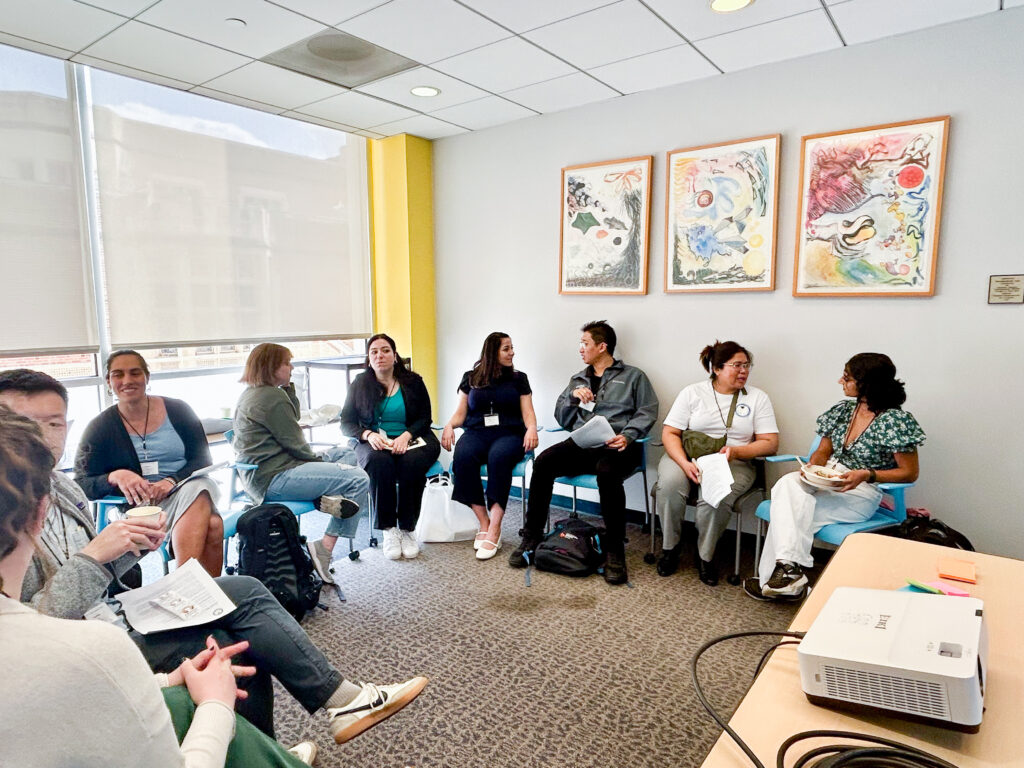
Through focus groups with students and basic needs practitioners, the technical and conceptual development of the site began to take shape. With the help of the ASSIST Lab and the guidance of Sri Kurniawan, a Professor in the Computational Media Department and Associate Dean for Research of Baskin Engineering, the project went through several years of User Interface design, applying universal design principles that prioritize accessible systems for all users. A big question emerged: what would it look like to provide cutting-edge generative AI technology alongside the directory?
The team got to work to find a cutting-edge solution. Now, the AI-powered navigator allows users to dive deeper, giving them direct answers to critical questions while also pointing them in the right direction for basic needs resources.
Plus, staff who serve prospective and current students have weighed in on how the tool can be used to support student success. Galarneau’s team has held training sessions for financial aid directors and student affairs and services leaders to empower them to respond to student needs.
“These tools contribute to student success and make it easier to obtain simple, accurate information. In turn, we’re reducing the burden on Basic Needs professional staff by providing strategic solutions to routine inquiries. Further, students can be proactive in seeking out resources themselves or help their peers get information for meeting their basic needs,” said Galarneau.
Engaging students and creating ripples of change using emerging technologies
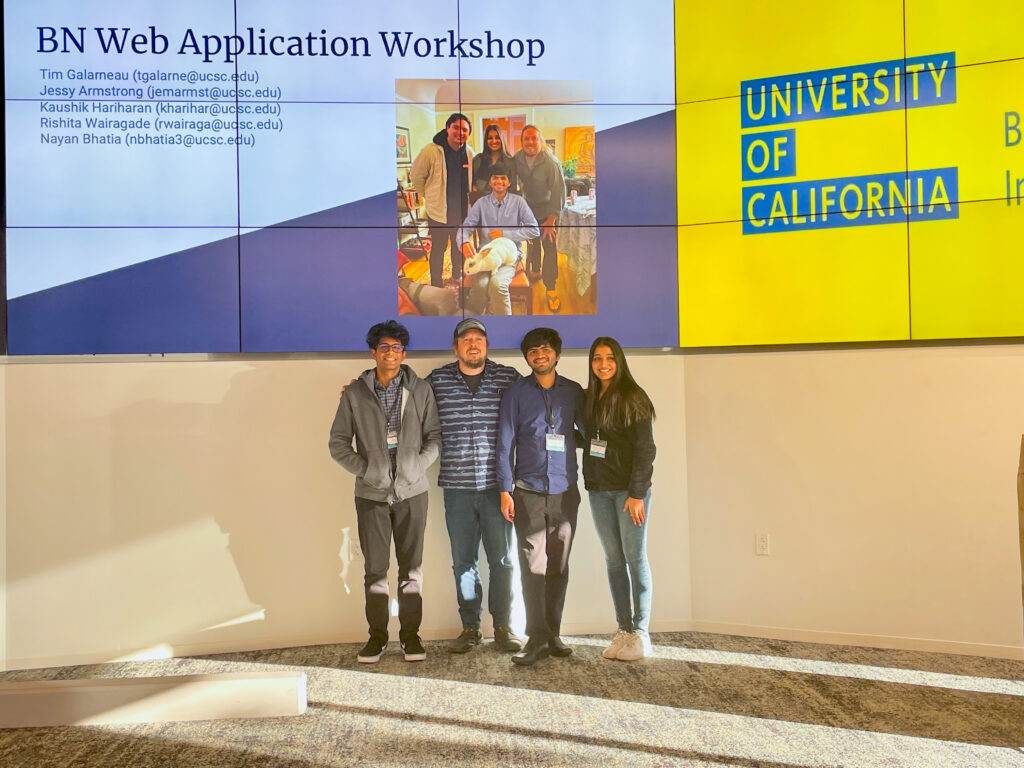
The Center for Economic Justice and Action has involved students of all levels in the planning, development, and implementation of the project. For Computer Science and Engineering doctoral student Nayan Bhatia, working on this project has grounded his time at UC Santa Cruz in a purpose that extends beyond research and coursework. He developed the directory and AI-powered Navigator, implementing the complete technical system while working in close collaboration with students, staff, and faculty on design and requirements.
“The most rewarding part has been seeing students get real value from it,” he said. “This experience has helped me build confidence as a full-stack developer, opened doors for my career, and given me both the technical foundation and the practical experience I need for the kind of systems and research work I want to pursue long-term.”
While UC Santa Cruz has been at the forefront of addressing students’ essential needs through student-driven research, the directory and navigator could expand experiential learning opportunities across the UC system. Through the UC Essential Needs Consortium, the center intends to engage both undergraduate and graduate students to learn from and contribute to this resource, which they hope will serve as a model for developing other impactful resources.
Following the public launch of the directory and navigator, the project remains a dynamic resource. The team hopes it will continue to inspire changes in how universities communicate with their campus communities and influence how they leverage new and emerging technologies.
“We’re not here just to plant the first flag, but to create ripples in our community of practice,” expressed Tim Galarneau. “We’ve developed documentation for future students to continue working on the project, and we intend to produce applied academic papers about the technology, approach, and design, so that it can be replicated. California benefits from investing in campuses’ basic needs across the UC, California State University, and California Community College systems to continue to bolster student success.”