Climate & Sustainability
UC Santa Cruz earns multiple awards for sustainability excellence
UC Santa Cruz ranked No. 6 Green College by Princeton Review and 10th in Zero Waste Campuses, as developed by the Post Landfill Action Network (PLAN).

Students with the Resource Recovery Team in the Grounds Department and Sustainability Office performing a waste audit to determine divertable materials from McHenry Library.
Princeton Review has ranked UC Santa Cruz as the No. 6 green college in the nation, a reflection of the campus’s abiding commitment to environmental stewardship and sustainability.
”Achieving our climate and sustainability goals is a campuswide challenge and we are continuing to pursue opportunities to advance our work through research, education and campus practices,” said Vice Chancellor for Finance, Operations and Administration Ed Reiskin. “I’m inspired by how students, faculty and staff work together to prioritize our global challenges.”
UC Santa Cruz is the highest ranked California university on the Top 50 Green Colleges list. Princeton Review also includes UC Santa Cruz among the Best Value Colleges and the Best 391 Colleges, both of which are unranked lists.
Sustainability is a foundational value of UC Santa Cruz, expressed through research, education, operational practices, the campus strategic plan, and in every capital project.
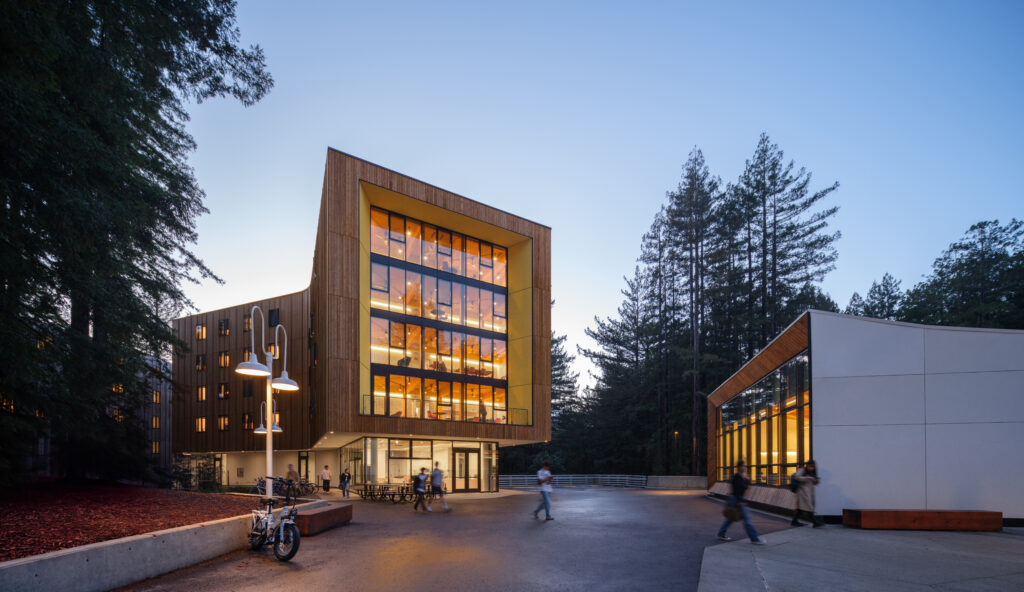
The new academic building and three residence halls at Kresge College were certified LEED Gold and the newly renovated dining hall at Rachel Carson/Oakes was certified LEED silver.
For more than a decade, UC Santa Cruz’s Rachel Carson College has offered a minor in sustainability to provide students training in different applications to addressing environmental issues in an equitable and effective way. The minor is in the midst of being updated this academic year and is expected to relaunched in fall 2026.
The Sustainability Office website tracks the campus’s progress toward reducing its environmental impact, providing insight and transparency around its success in reducing waste and use of single-use plastics, increasing plant-based food options, and carefully managing water usage.
Additionally, the UCSC Sustainability Office’s student staff are dedicated to reducing campus waste. At a recent campus event, students “Trash Talked”—diverting an impressive 92% of its waste from the landfill. For its various waste diversion operations and efforts, UC Santa Cruz also ranked as one of two UCs on a list of Top 10 Zero Waste Campuses, as developed by the Post Landfill Action Network (PLAN). UC Santa Cruz earned a bronze Atlas Zero Waste Certification, reflecting its dedication to reducing waste through recycling, composting and diverting materials away from landfills.
To advance campus sustainability, UC Santa Cruz announced its goal to reduce fossil fuel emissions by 90% by 2045. The timeline, based on recommendations from the Decarbonization and Electrification team, is part of a UC-wide effort to maintain the university’s status as a leader in climate action by decarbonizing all 10 campuses.
UC Santa Cruz set 2045 as the target after considering current financial constraints and reviewing additional campus priorities, including additional housing, seismic retrofits, and deferred maintenance needs. All new projects incorporate strategies contributing to sustainability and resilience.
For the Green Colleges ranking, Princeton Review evaluates schools based on institutional data as well as a survey that asks students how sustainability issues influenced their education and life on campus; about administration and student support for environmental awareness and conservation efforts; and the visibility and impact of student environmental groups.