Student Experience
Photo Field Research Quarter: An art-filled road trip across California
Each summer, UC Santa Cruz students spend three weeks on the road in Photo Field Research Quarter, traveling across California to camp, connect with community partners, and create art shaped by the places they visit.
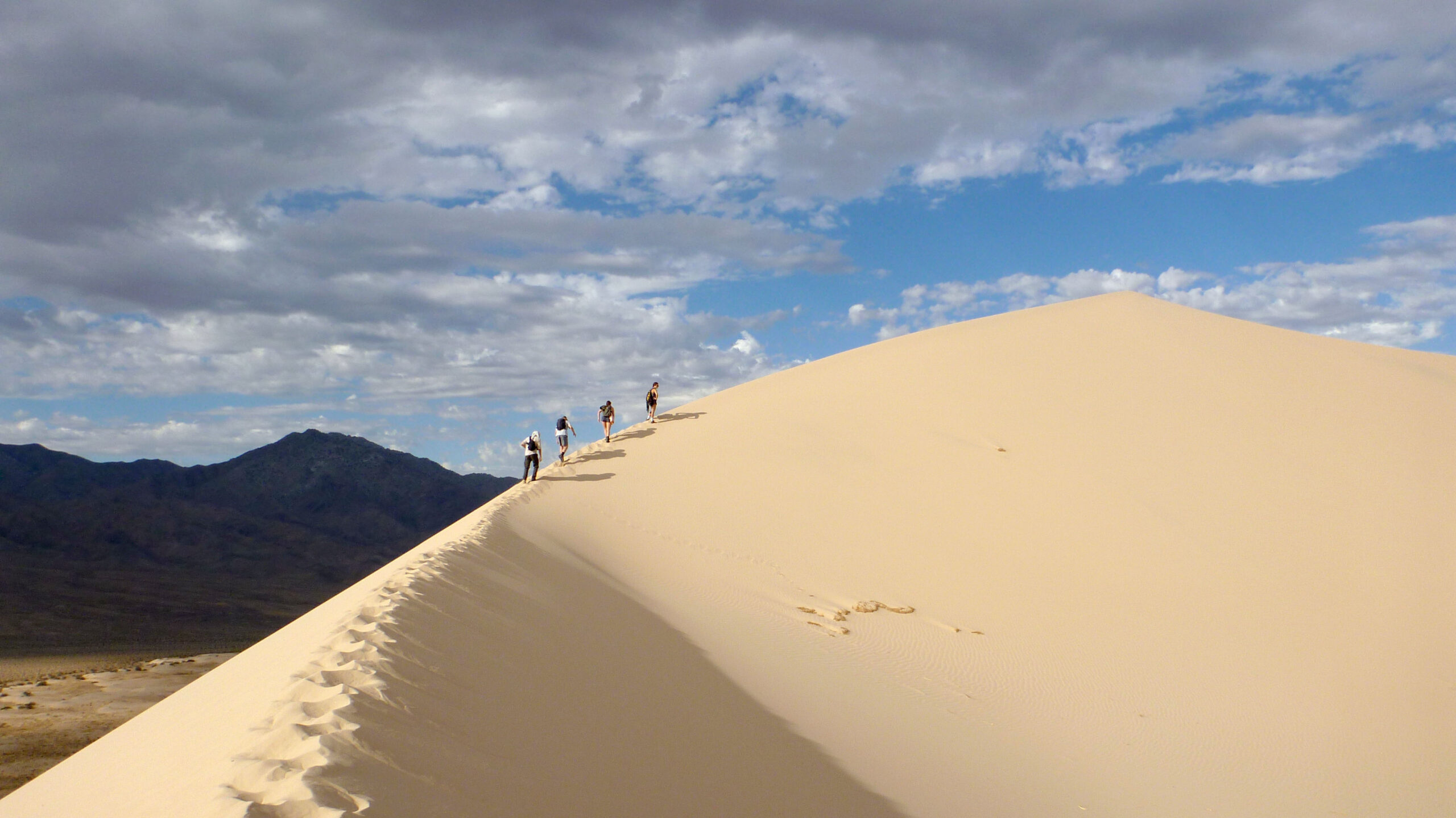
UC Santa Cruz students summiting Kelso Dunes during the Photo Field Research Quarter. Photo by Jack Chapman.
By the end of the summer, the students in Photo Field Research Quarter: California Road Trip have shared a lot of things: tents, playlists, ghost stories, roadside snacks, cameras passed around at rest stops, inside jokes, and the slow, inevitable funk of a van packed with students who haven’t showered in days.
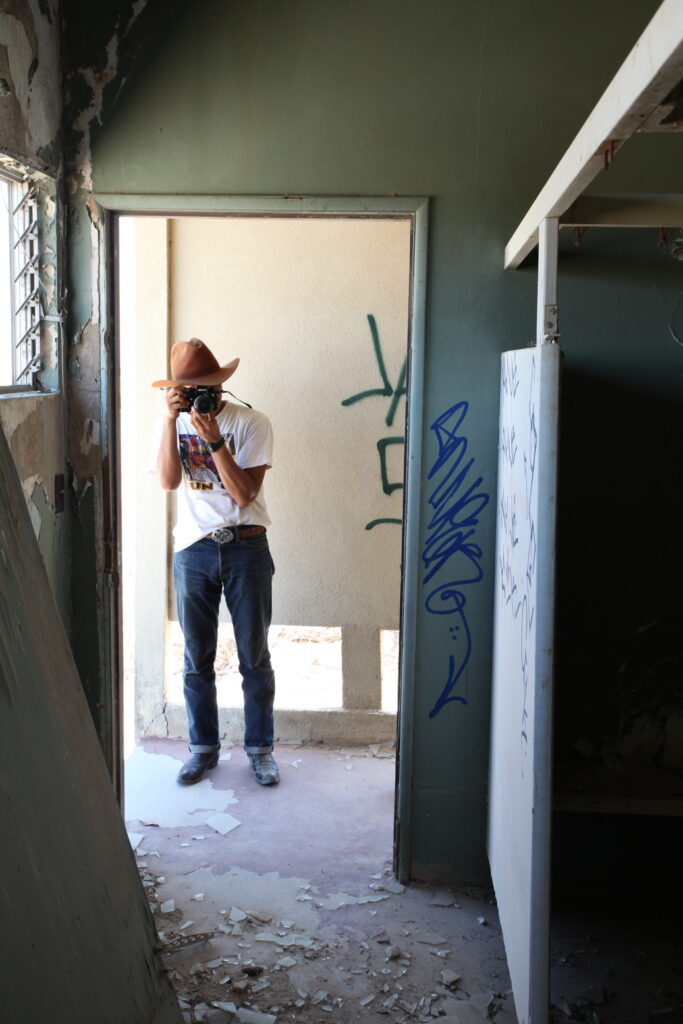
This class takes 10 UC Santa Cruz students and a graduate TA on a three-week road trip across California, camping under the stars, visiting small towns, engaging with indigenous people and practices, and making art informed by everything they experience along the way.
Students learn how to read the landscape, and how its histories, scars, and communities can teach them to live closely with one another in the midst of perpetual and unpredictable change.
For art major Rae Mancuso, the trip changed the way they saw the state they grew up in.
“I carry with me a new sense of home that I found on this trip,” Mancuso said. “I’ve lived in California my whole life, but I never felt more at home until after this trip. I’ve since returned to almost all the places we visited.”
How the course came to be
The class exists because art lecturer and UC Santa Cruz alum Jack Chapman once wished he could take a course like this himself.
As an undergrad at UC Santa Cruz, he admired the campus’s famous Natural History Field Quarter, a class that gives science students the chance to do fieldwork in UC Natural Reserves.
“I’d heard about the Natural History Field Quarter when I was an undergrad. It’s this fantastic class that takes students out to the UC reserves. I remember thinking that if I ever got the chance to create something like that for humanities students, something immersive that got them off the hill and into the world, I would want to write that class.”
Years later, when he started teaching photography at UC Santa Cruz, he finally had the chance to build it.
Chapman took the exploratory spirit of the informal photo trips he once went on as an undergrad with emeritus professor Norman Locks and shaped them into something more structured and community-engaged. He wanted students to see how landscapes carry stories, from extraction at the McLaughlin gold mine to fire and climate impacts in the Sierras and Big Creek, the legacy of Japanese incarceration at Manzanar, and the long-term effects of displacement in Round Valley, and to learn how to tell those stories through their art.
“I wanted to bring students into communities around California with a sense of how these places have been shaped historically and how they fit into our lives now,” Chapman said.
The class stays small so they are able to move through communities respectfully and be welcomed into the spaces they visit.
Shaped by a changing landscape
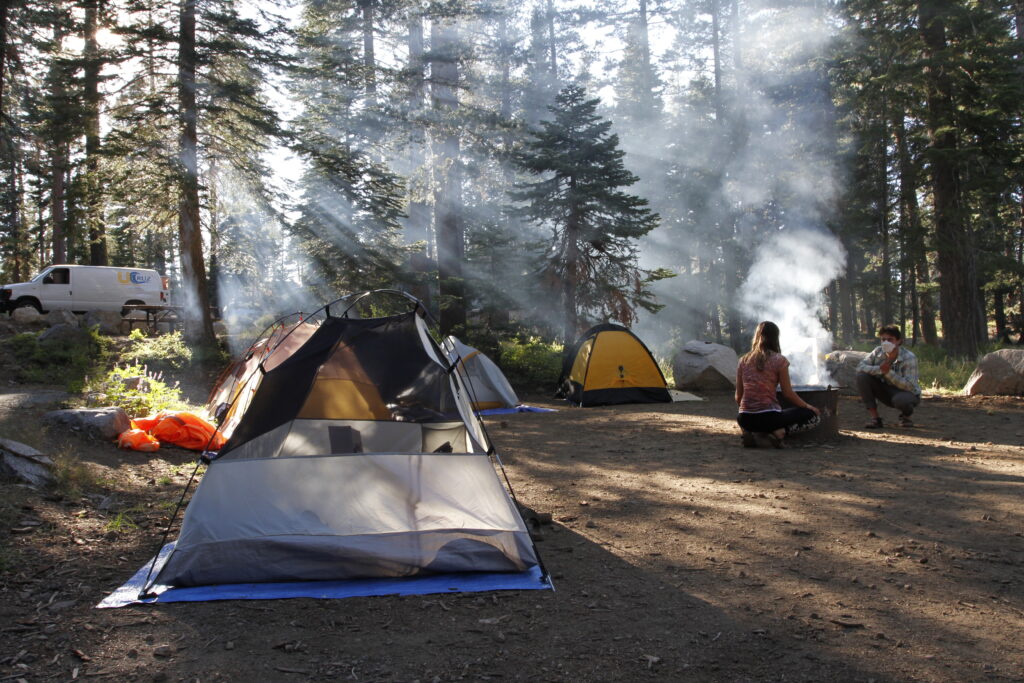
The class travels roughly 2,000 to 2,500 miles across California, moving through mountains, deserts, coastal towns, and UC Natural Reserves before looping back to Santa Cruz. But no two years look the same. Some summers, the group crosses the Sierra to Manzanar and the Mojave. Other years, extreme heat, lightning storms, fires, or road closures make those routes impossible.
Chapman has rerouted around 120-degree heat waves, sudden fires, and campgrounds that disappeared from the plan overnight. Once, the entire class drove 12 hours back to Santa Cruz to avoid two lightning-caused fires blocking their intended next stop.
“You have to be able to pivot,” he said. “There’s always a plan, but you also have to ask: What do we do when the plan no longer works?”
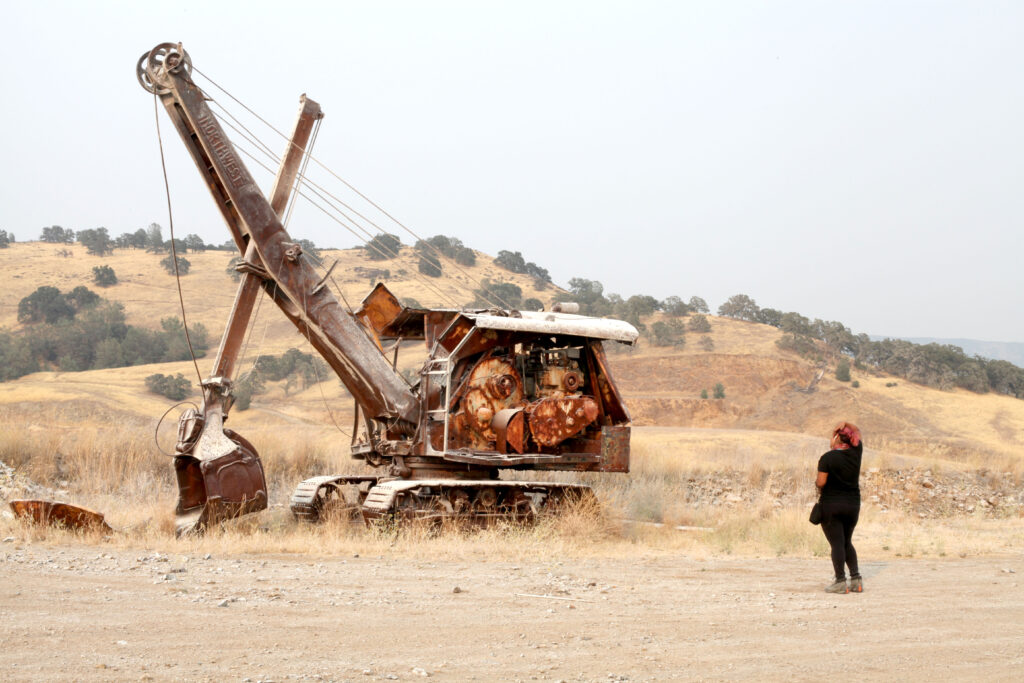
Students learn to roll with the unpredictability. “We learned from Jack, the most Zen Buddha of a teacher. He empowers you to figure things out for yourself and gives you the freedom to be responsible for your own learning,” said UCSC student Allison Copp, who joined this year’s three-week field course.
Even on calm days, the rhythm isn’t quite predictable. “We piled into the van and stopped whenever someone saw something worth photographing,” Copp said. “Sometimes we ended up swimming in cold lakes, sometimes we were talking with locals about the issues facing their town. Every day looked different.” Mancuso described it as “three weeks of living simply—driving, exploring, making art, and talking with people who changed the way we understood the landscape.”
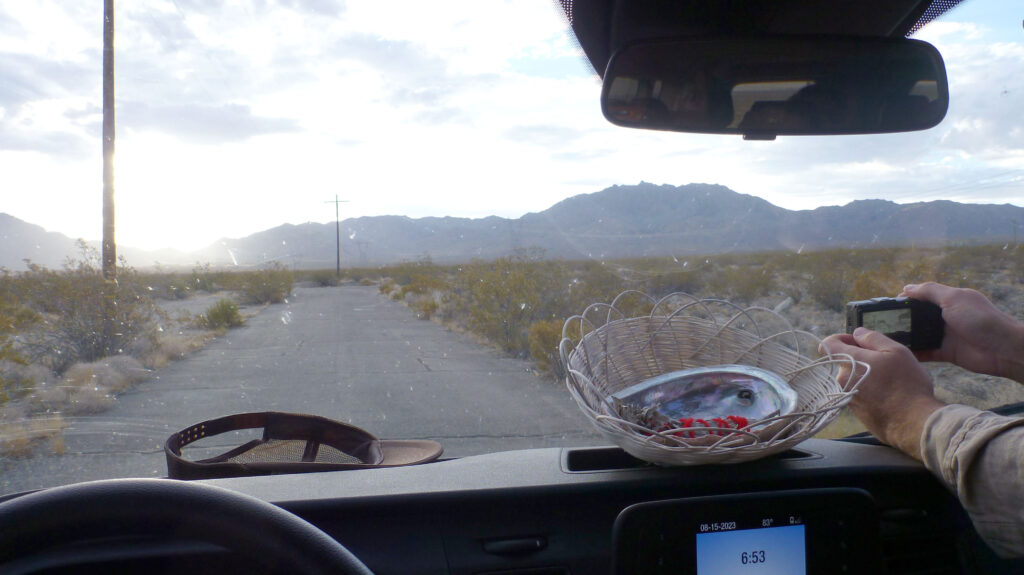
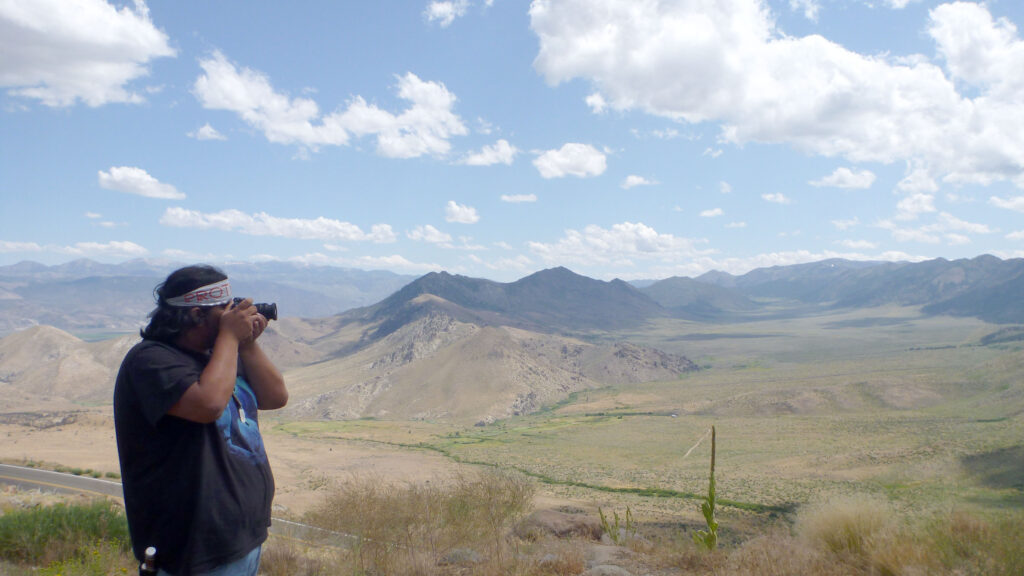
Students also describe the class as being challenging in all the best ways.
“I was certainly my own biggest challenge,” said Copp. “I was hoping to be challenged physically, ideologically, emotionally, academically, and artistically, and I was.”
Along the way, she learned things she never expected from a photography course, such as desert ecology, California histories that rarely appear in textbooks, and how to listen closely to community members who shared their stories. Mancuso said they watched classmates “grow more themselves” as the trip went on.
Chapman designs the course so students gradually take more responsibility. “What kind of teacher would I be if they were still dependent on me at the end of three weeks?” he said. “My goal is for students to feel confident and capable, able to do this kind of work on their own.”
Only at UC Santa Cruz
Photo Field Research Quarter grows out of what Chapman sees as the heart of UC Santa Cruz: learning outside the classroom, taking creative risks, and connecting with communities beyond campus.
The first “field site” isn’t a road trip stop at all but the Arboretum, where Rick Flores, steward of the Amah Mutsun Relearning Program, introduces students to the histories and responsibilities tied to the land they’re about to travel through. That grounding experience sets the tone for everything that follows.
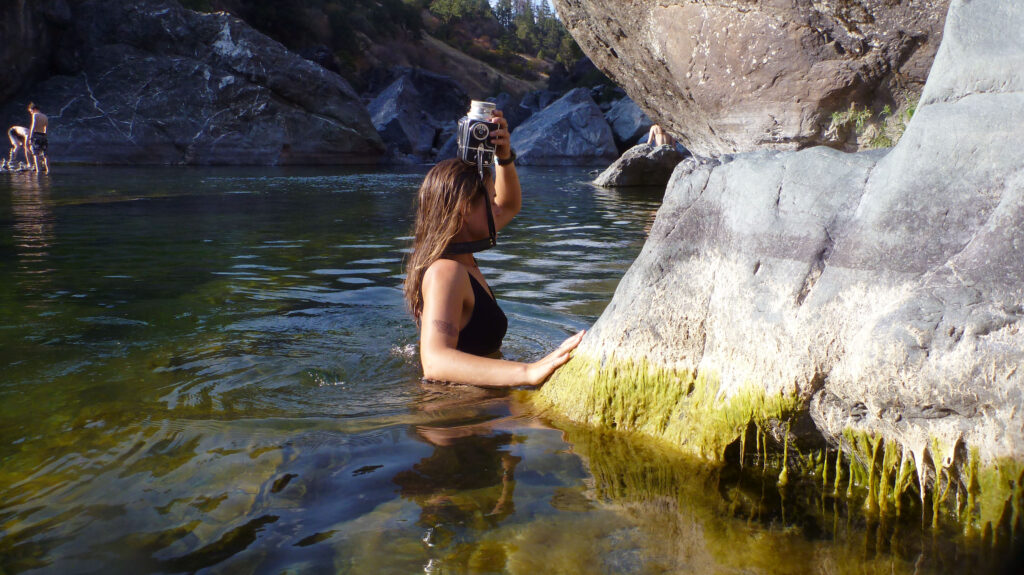
From there, the class visits places like Round Valley in Mendocino County, where Chapman has spent years building relationships with the Round Valley Indian Tribes. Being able to engage with these tribes in such an intimate setting of a small group is a great privilege, something that Chapman recognizes as he discusses how important it is that these interactions are not one-way.
“It’s not just about going into these locations and taking photographs,” Chapman said. “It’s about building a relationship.”
Through grant support, Round Valley youth have visited UC Santa Cruz, toured the art department, and explored the campus. One student has since enrolled here.
Those connections end up being some of the most meaningful parts of the course. “This trip made me fall in love with the diverse plant communities, geologies, bodies of water, and people of this landscape,” Mancuso said.
“I learned about California history and the issues facing the environment. I learned about the animals, plants, and climate of the Mojave Desert. I learned how to camp efficiently and cook a simple meal over a fire. I learned the best places to swim, why towns are named the way they are, and that iPhones don’t like being used in a pond,” Copp said. “The things you learn out there go far beyond photography.”
For Chapman, this kind of learning “keeps breathing life into the founding spirit of UC Santa Cruz.” The course blends nature, community, and unpredictable circumstances into an experience that deepens students’ understanding of California and their place in the greater community.
Explore UC Santa Cruz Summer Session courses to learn more about this class and other summer experiences.