Climate & Sustainability
Alumna Tonje Switzer receives Green Heart Award for CZU complex fire and Santa Cruz storm recovery efforts
Santa Cruz Long Term Recovery Group Executive Director Tonje Switzer (Oakes ’16, sociology) was awarded the Mountain Affair’s Green Heart Award in October.
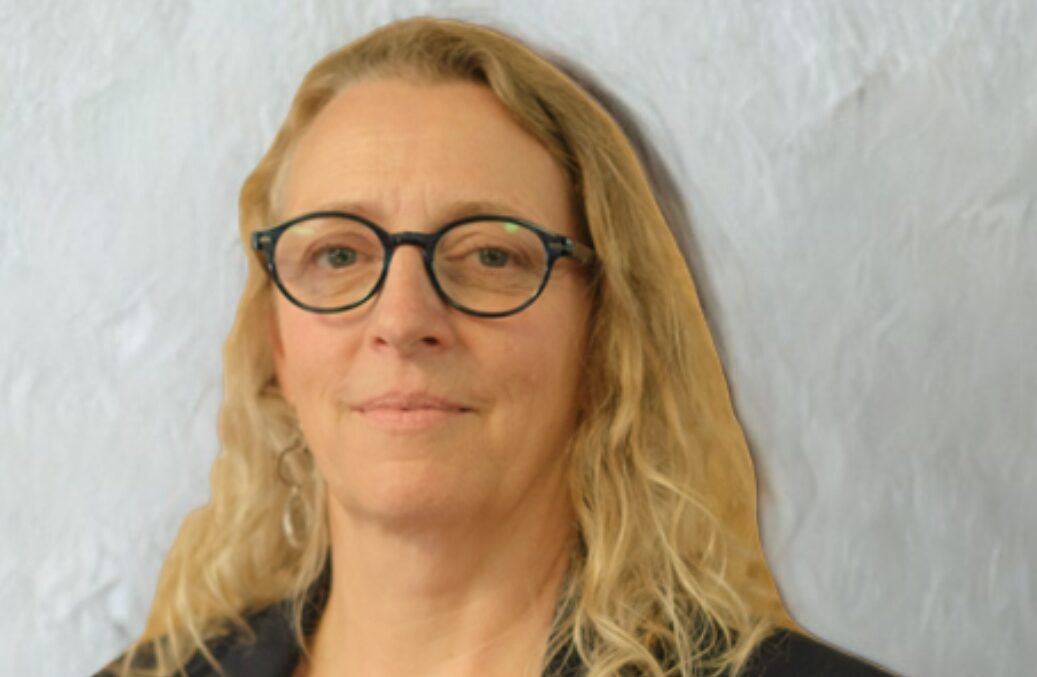
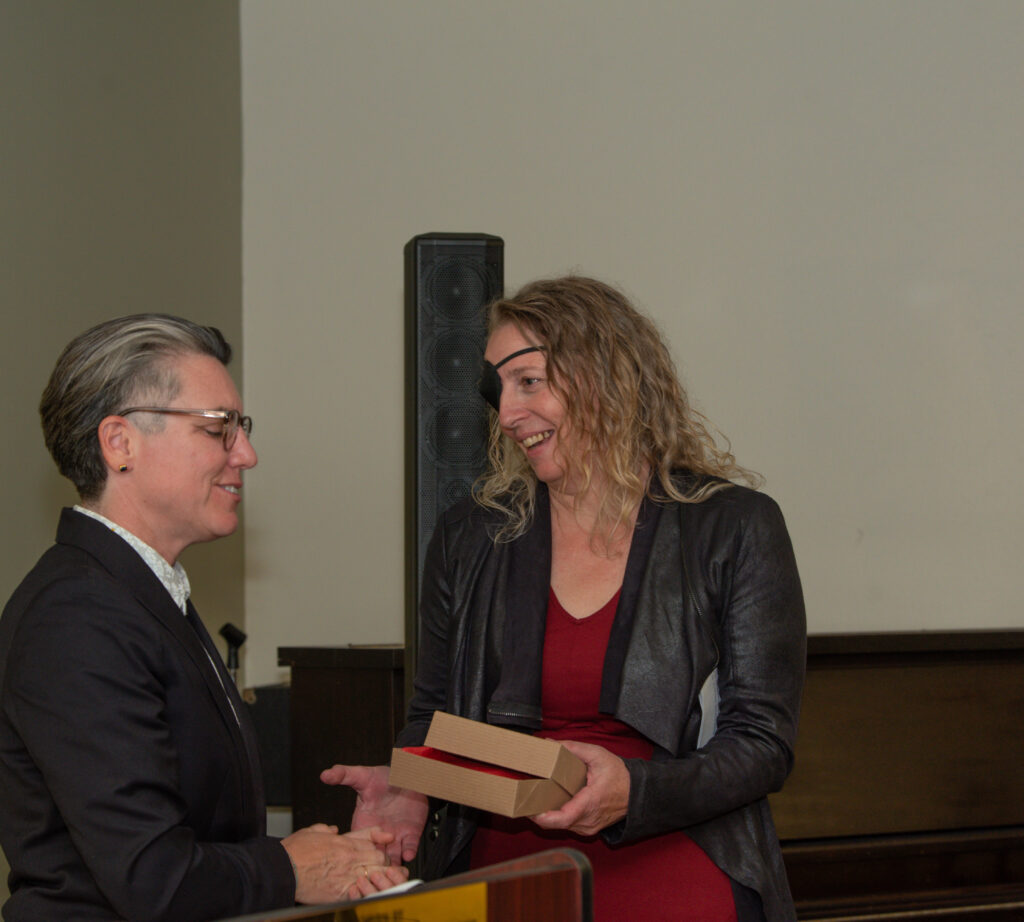
UC Santa Cruz alumna and Executive Director of the Santa Cruz Long Term Recovery Group Tonje Switzer (Oakes ’16, sociology) was awarded the Mountain Affair’s Green Heart Award in October, for her resilience, generosity, bravery, and community leadership following the CZU Complex Fire.
“It’s such an honor to receive that award,” Switzer said. “The award is specifically geared towards someone who’s made a difference in people’s lives, and it’s a deep honor to be recognized in that way.”
Five years ago, the CZU Lightning Complex Fire tore through the Santa Cruz Mountains, scorching 80,000 acres and destroying 1,450 structures. One of the most devastating natural disasters in the county’s history, it left hundreds of residents without homes and transformed the region overnight.
On the night of August 16, 2020, Switzer watched from her back patio as a lightning storm flashed across the sky and bolts struck the forest. Realizing the danger, she gathered her family and evacuated the home they had moved into only months earlier. Though her home was later lost to the fire, Switzer was already focused on helping others.
Switzer hiked the Pogonip, searching out those in the houseless community and providing them with evacuation maps and updates on the fire’s latest activity. She helped set up a disaster relief area in Felton with Community Bridges’ Mountain Community Resources, providing a mobile laundry unit, a clothing donation station, and gift card distribution.
“I was already living and working in the community,” Switzer said. “It was almost natural for the Mountain Community Resource Center in Felton to step up as a place for disaster case management because it’s right in the middle of the community, and it was already a known entity in the community. So working there, I supported the creation of that relief work.”
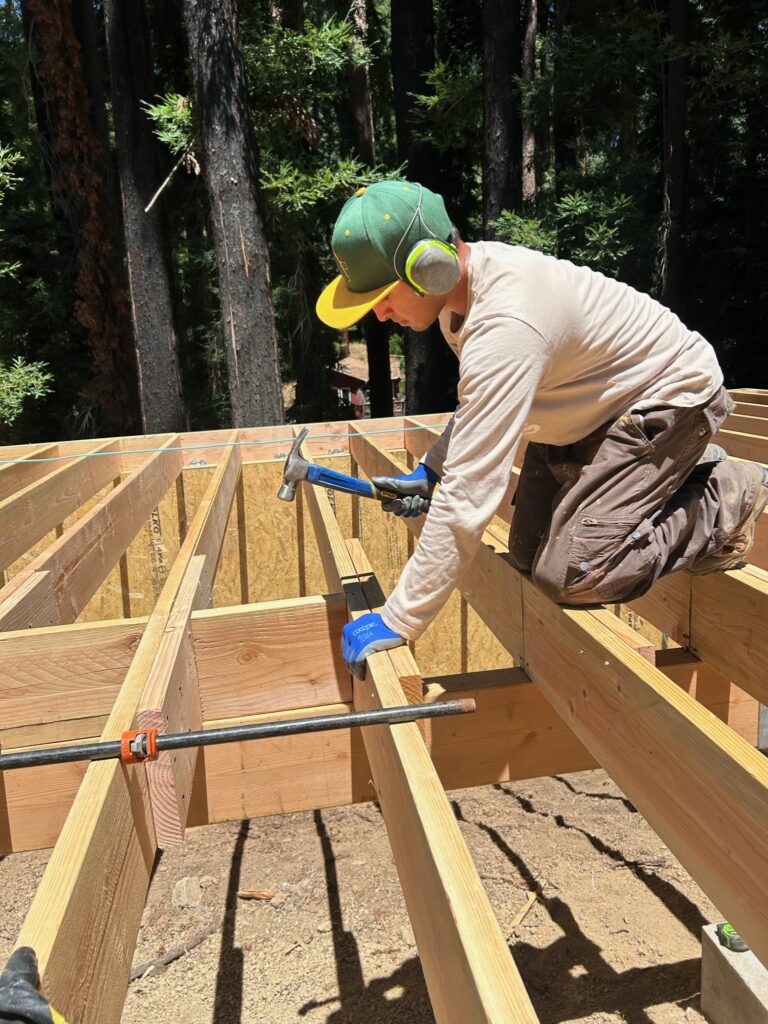
The Santa Cruz Long Term Recovery Group (LTRG) invited her to join the steering committee and, in 2022, she became vice chair. With LTRG, Switzer leads CZU recovery efforts, streamlining processes for affected residents to start rebuilding their homes. LTRG offered disaster case management, secured building permits, and created a volunteer rebuilding program. When the severe winter storms of 2022–23 struck Santa Cruz County, LTRG temporarily shifted its focus to meet the immediate needs of storm-affected residents. The organization is currently the only group offering disaster case management to people affected by the CZU fire and 2023 winter storms and will, in January, also serve all remaining Spring Storms clients.
After becoming a nonprofit organization in 2023, the LTRG hired Switzer as the executive director. The LTRG volunteer rebuilding program began its first CZU rebuild project in the fall of 2024.

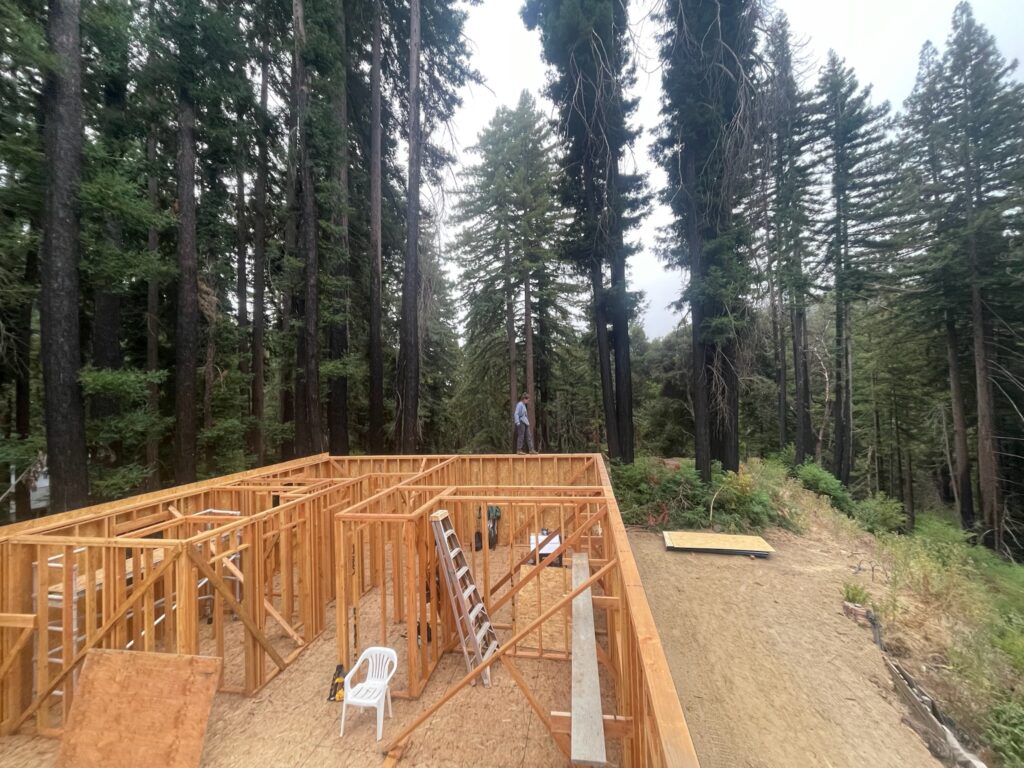
Five years after the CZU Lightning Complex Fire, the Santa Cruz County community continues to reflect on the lessons learned from that devastating event. The fire was a wake-up call—embers and ash reached far beyond the burn zone, reminding residents that wildfire risk extends to everyone. That realization strengthened community bonds and spurred a collective commitment to preparedness and resilience.
Since then, both residents and the county have taken a hard look at what worked and what didn’t, improving infrastructure, emergency planning, and communication. Switzer emphasizes that this willingness to reflect, adapt, and plan together has become one of the most important outcomes of the years since the fire.
“If there could possibly be any positive outcomes,” Switzer said about the CZU Complex Fire, “it’s that hopefully we’ll be able to harvest some wisdom and knowledge from that experience that will help us move into the future.”
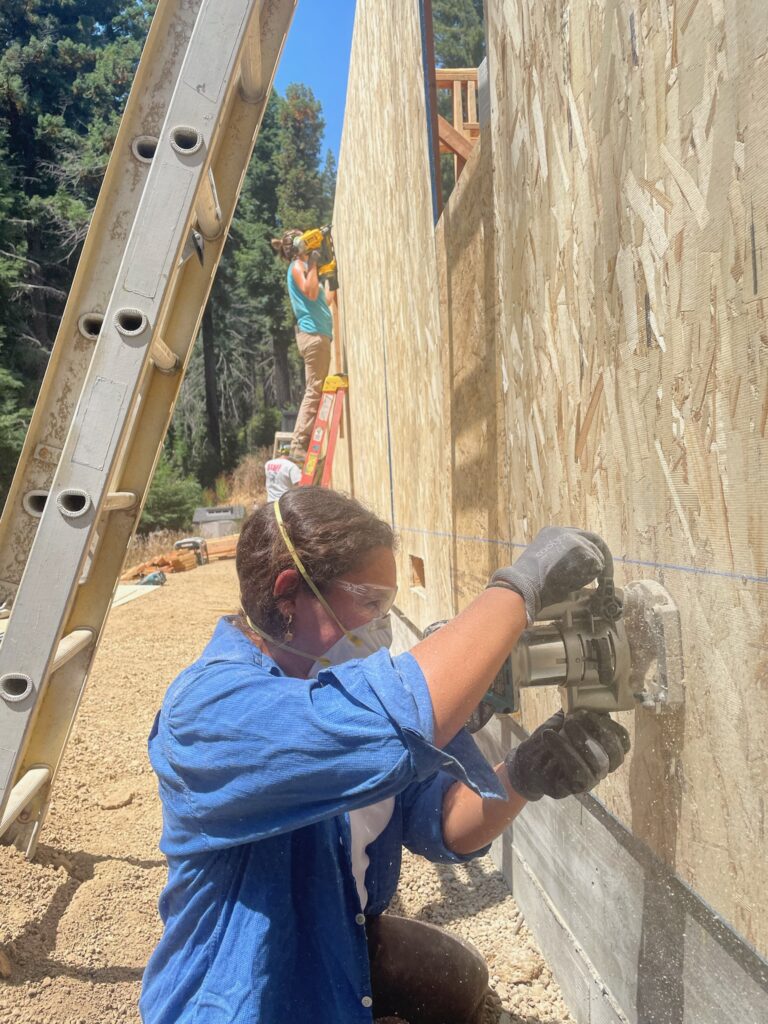
Switzer emphasizes that the LTRG is always looking for volunteers, either with the Volunteer Rebuild Program or for emergency disaster relief.
“Even if it’s just being on a rolodex because you want to be a spontaneous volunteer during a disaster—we want to know about you,” Switzer said. We want to know your skills so that we can call upon you when we need you.”
Ninety percent of the LTRG’s work is done through volunteer work.
“There are all kinds of opportunities for people to plug in and come out and support their neighbors. If it weren’t for volunteers, we would not be able to do any of this work. We welcome anyone who would love to come and work with us.”
Pursuing sociology at UC Santa Cruz
Switzer moved to the U.S. from Norway in 2003. She worked internationally as a light engineer and rigger for concerts and theater. Her work took her around the world, touring with different artists and theater groups. When she was ready to start a family, she began looking for options that would keep her close to home in Santa Cruz. She began pursuing a degree in sociology at Cabrillo College before transferring to UC Santa Cruz in 2014.
“I had heard really great things about the UC Santa Cruz sociology department,” Switzer said. “My professor at Cabrillo had graduated from UCSC, and spoke about that, so I ended up transferring to UCSC and living in Family Student Housing for a while with my family.”
Switzer recalled the experience she gained through the Everett Program at UC Santa Cruz, where she studied sociology with a focus on technology and open source solutions for nonprofits advancing social justice. She credits professors Steve McKay, Miriam Greenberg, and Hiroshi Fukurai for providing mentorship and guidance at UCSC.
About eight years after graduating from UCSC, Switzer reconnected with Greenberg for a collaboration between UC Santa Cruz’s Wild Urban Interface (WUI) and Community Bridges’s Family Resource Collective. The collaboration, the WUI Research for Resilience project, researches California’s climate, conservation, and housing crises.
“The goals of that research project and the work that I was doing at my organization were very aligned,” Switzer said. “It was great to reconnect, collaborate, and be able to support that research project, which is really important for the region that we live in.”
Switzer is eager to collaborate with UC Santa Cruz again in the future.
“There’s a lot to be learned from organizations like ours [the Santa Cruz Long Term Recovery Group] that are working in the trenches of disaster recovery. It’s a matter of when, not if we’re going to have another one.”