Climate & Sustainability
UC Santa Cruz helps feed America
For more than 50 years, UC Santa Cruz has been a national leader in supporting farmers and shaping food systems. Stand with us to defend this work.
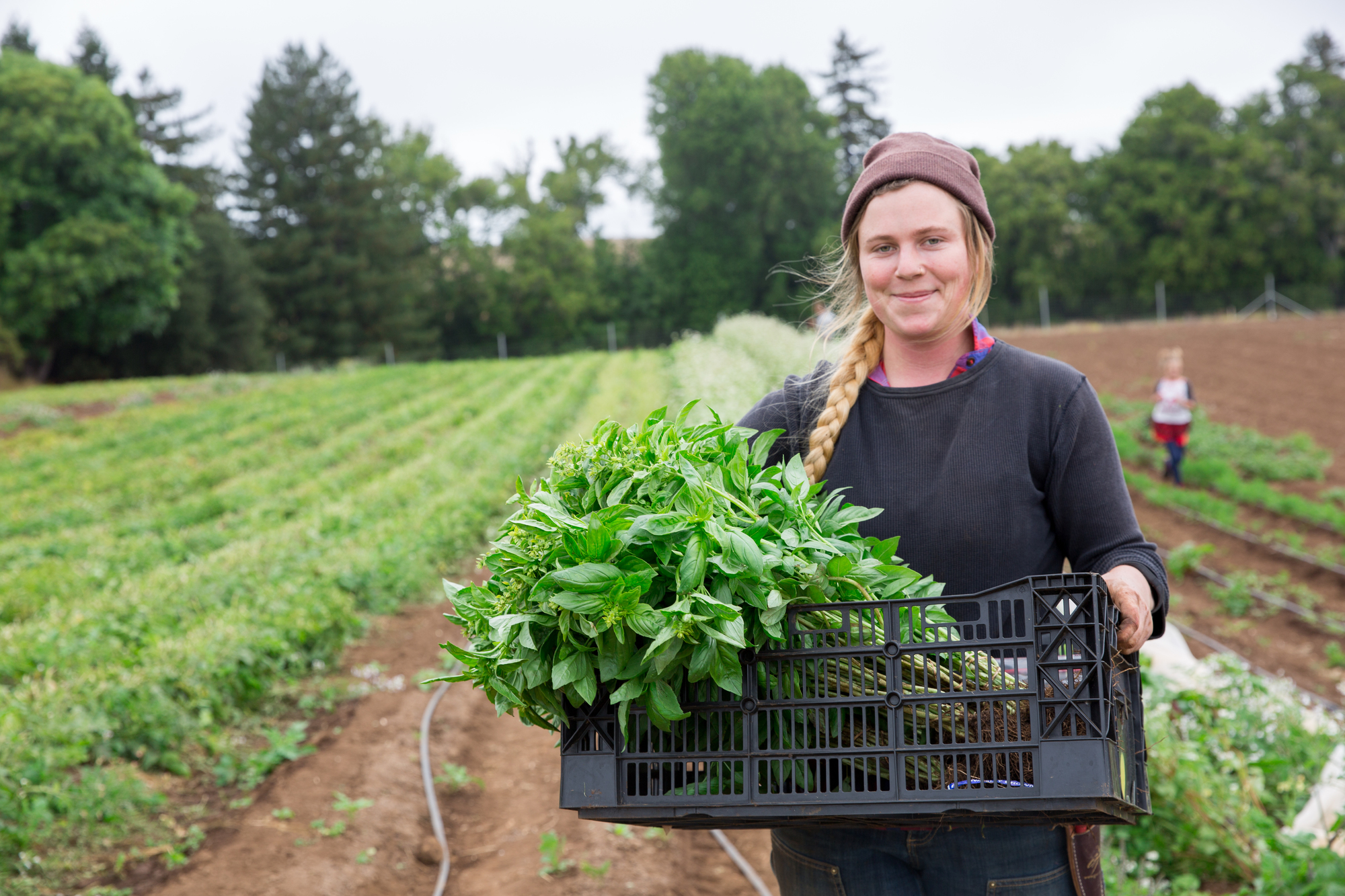
UC Santa Cruz works to improve farming in ways that protect people and the environment, while supporting farmer livelihoods and making agriculture a viable career path for the next generation. But USDA funding cuts and federal settlement demands against the University of California could undermine the campus’s ability to continue leading this important work.

UC Santa Cruz’s impact on food systems over the years has been transformative, helping to put healthy, affordable food on the tables of families across our nation. It’s a legacy that’s worth protecting. The campus is now an officially designated University of California Agricultural Experiment Station and is home to the renowned Center for Agroecology as well as a thriving new AgTech Alliance. Research, education, and service work across UC Santa Cruz delivers groundbreaking innovations in resource efficiency, pollution reduction, and organic alternatives to toxic chemicals, all while strengthening the relationships between food production systems and our communities and applying emerging technologies in safe, socially responsible ways.
UC Santa Cruz has an especially storied history in organic agriculture. Joji Muramoto is a University of California Cooperative Extension organic agriculture specialist who has conducted extensive field-based research with growers to produce cleaner foods, without synthetic pesticides and fertilizers. He helped pioneer biological alternatives to the use of highly toxic soil fumigants in commercial strawberry production. Conventionally grown strawberries still top the Environmental Working Group’s “Dirty Dozen” list of fruits and vegetables most contaminated with pesticides, so continuing to refine and spread organic growing practices is crucial. Muramoto says federal research funding has been a key part of that process.
Unfortunately, some UC Santa Cruz projects serving the agriculture sector have lost their funding. Tim Galarneau, food systems program manager at UC Santa Cruz’s Center for Agroecology, has been one of the leaders behind the USDA’s Southwest Regional Food Business Center, which supports the business and technical needs of small and mid-size producers who are essential for agri-food supply chain resilience. Federal funding for the project was recently cancelled. Galarneau says partners on the effort are currently looking for other funding sources, but the cuts will potentially leave thousands of farmers in the region without access to services they need to keep their businesses afloat.
UC Santa Cruz plays a pivotal role not only in supporting today’s farmers, but also in preparing the next generation. Professor Stacy Philpott, faculty director of the UC Santa Cruz Center for Agroecology, is leading a five-year $10 million USDA grant to provide essential education and career preparation for the next generation of leaders in farming, ranching, and forestry. The program supports graduate students, undergraduates, K-12 youth and farmworkers in building the research and practical skills necessary to address emerging challenges in agriculture. Philpott says federal funding has been essential to removing financial barriers for students looking to build careers in agriculture.
The future of agriculture will also likely be influenced by new technologies. Professor Colleen Josephson is co-director of UC Santa Cruz’s Ag Tech Alliance, which supports campus and community collaboration for socially responsible agricultural technology. Federal funding supports the vast majority of her work. Josephson notes that, unlike in other tech sectors, where large companies have capital to spare for funding innovation, research in the Ag Tech field serves farmers who can’t afford to sponsor their own research projects. Federal funding helps the U.S. stay competitive in this space and provides opportunities to help shape the emerging industry for the benefit of all.
Faculty, students, and staff all across UC Santa Cruz are working hard to solve major nationwide challenges in our food system, providing crucial support to the farmers who are feeding America. This and other important UC Santa Cruz work must continue. Stand with us today to help advocate for the positive impact we make in the world. Members of the public can take action in two ways, by contacting their members of Congress to advocate for science funding in the federal budget, and by signing on to the University of California’s Stand Up For UC advocacy campaign.