Technology
Grants expand UC Santa Cruz-led drone workforce development programs for Californians
Nearly $3 million in regional and state-wide grants will fund the ‘Drones Uplifting California Communities’ program, serving high schoolers, college students, and the ag tech industry.
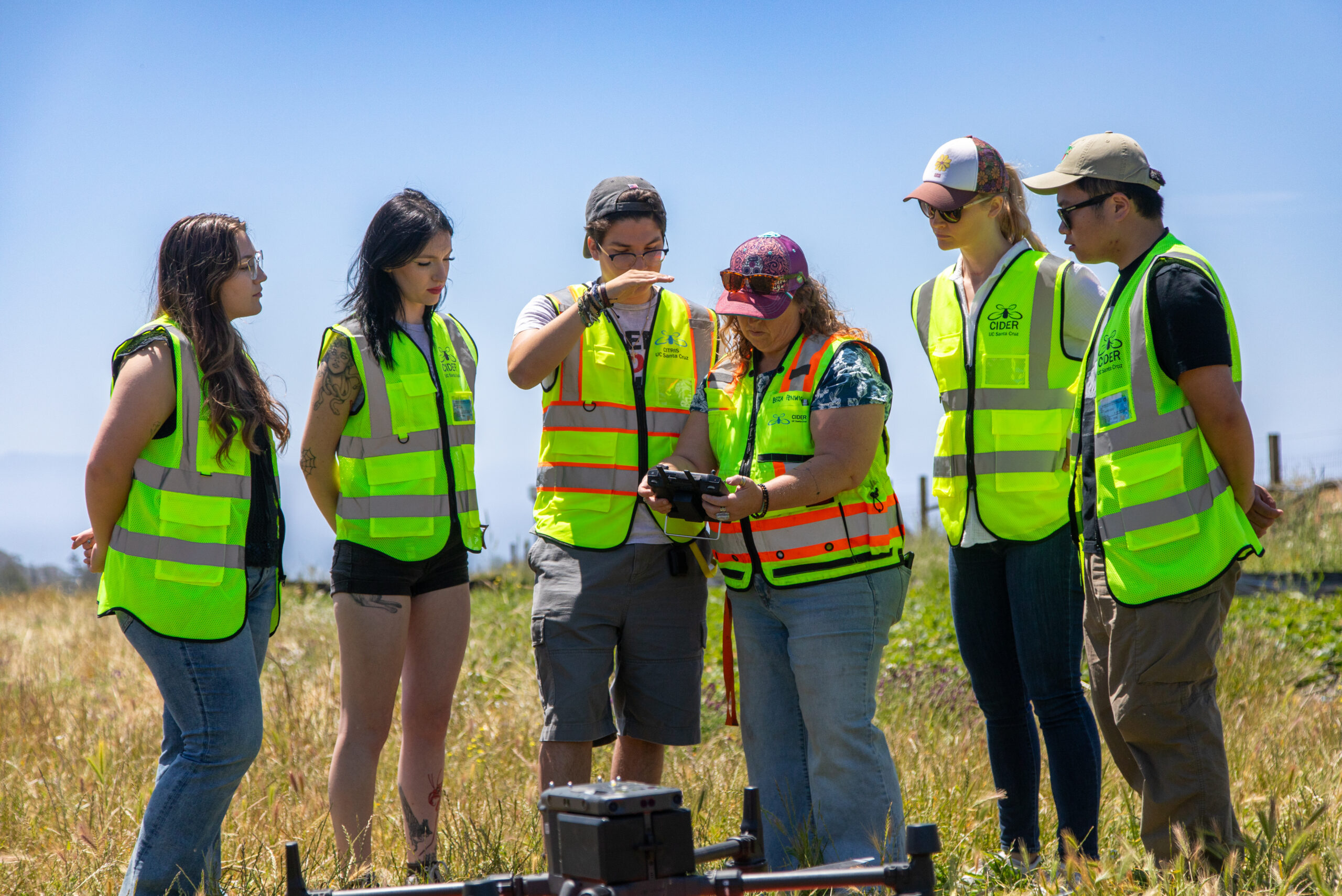
Students learn to pilot drones as part of the CITRIS Initiative for Drone Education and Research.
Carolyn Lagattuta/ UC Santa Cruz
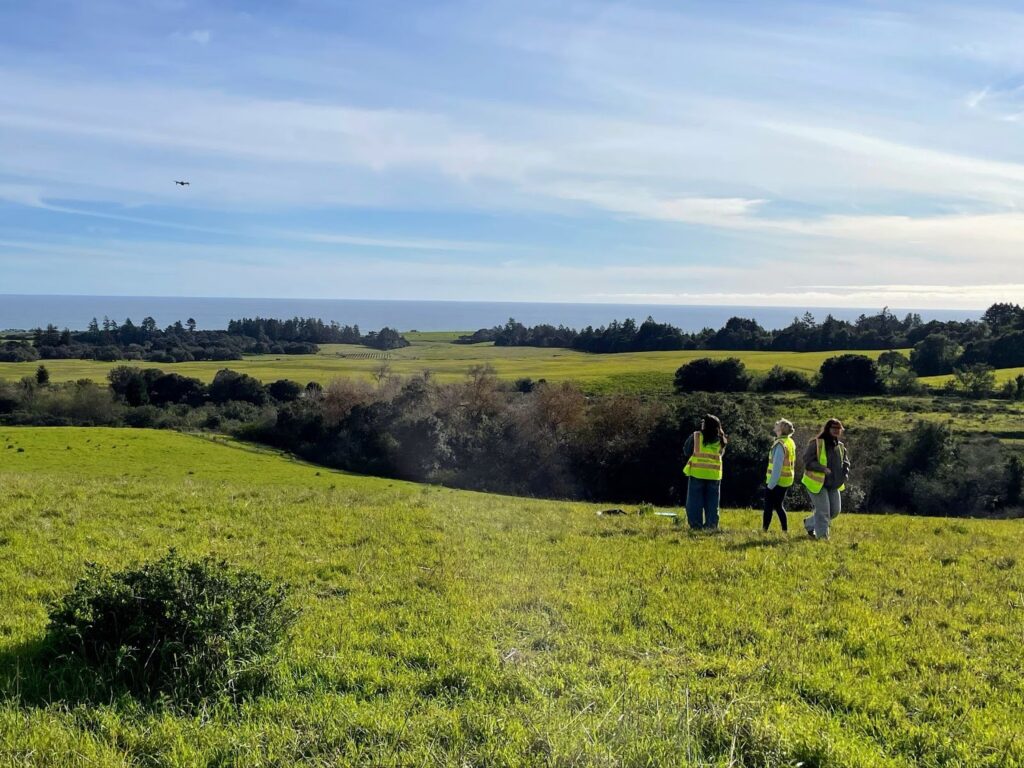
With nearly $3 million in new grant funding, the CITRIS Initiative for Drone Education and Research (CIDER) at the University of California, Santa Cruz, is launching a new program called Drones Uplifting California Communities (DUCC) that will greatly expand workforce development programming that prepares Californians for successful drone-related careers.
The new funding comes from two programs under the California Jobs First initiative. $2.21 million in grant funding comes via the California AgTech Alliance, led by UC Agriculture and Natural Resource (UC ANR) who received $15 million as part of the larger $25 million Regional Cluster AgTech and Farm Equipment. This initiative is the state’s first coordinated agricultural innovation network aimed at bringing together California’s diverse food producing regions to accelerate technology, support entrepreneurs, and prepare the workforce of the future.
This $2.21 million award will support the DUCC efforts to train the trainers—teachers and instructors—around the state who will reach more than 2,000 students over two years, preparing a skilled workforce for living-wage careers in precision agriculture, infrastructure, logistics, and environmental monitoring.
A second grant of $500,000 comes from the California Jobs First Uplift Central Coast Catalyst Fund, a regional program which will support DUCCs CIDER’s efforts to train the trainers in Santa Cruz, San Benito, and Monterey counties. In partnership with the Monterey Bay Tech Hub (MBTH), CITRIS at UC Merced, the UC Agriculture and Natural Resource (UC ANR) at UC Davis, and Orange Coast College, the DUCC program will serve students and workers throughout the entire state, integrating into drone workforce training curriculum at more than 50 public high schools and community colleges.
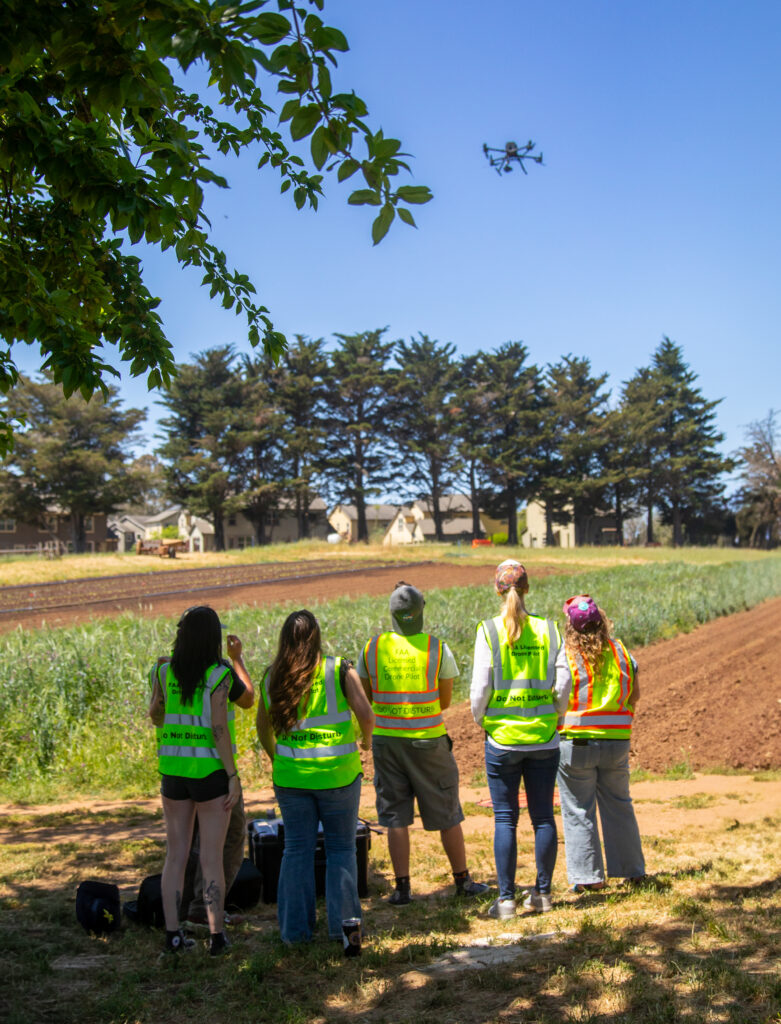
CIDER, a program of the UC research center CITRIS and the Banatao Institute, provides education and research support for the use of drones in academia and industry. Students learn to pilot drones, gaining valuable flight hours, hands-on research experience, and direct training to obtain their FAA licensure to become a certified drone pilot.
“Bringing both English and Spanish-language programming and a ‘train-the-trainer’ model to high schools and community colleges in agricultural regions allows DUCC to provide easy pathways to fast-track AgTech upskilling through public institutions across the state,” said Becca Fenwick, CIDER Director.
These two new grants will support CIDER’s DUCC program, which expands and scales CIDER’s proven success in drone pilot training to the teachers and instructors working with thousands of high school and college-level students, as well as people working in the agricultural technology sector. These programs are particularly crucial in light of California’s shortage of FAA-licensed agriculture and inspection drone pilots and increasing climate pressures to the state’s $59 billion farm economy.
“Next generation applications for drone usage in domains such as agriculture, marine science, fire response, and infrastructure inspection are critically important economic drivers for California,” said Larry Samuels, special adviser to Chancellor Cynthia Larive. “With the development of these applications the demand for skilled and FAA licensed drone pilots is escalating dramatically. DUCC is designed to respond to this demand, by enabling public educational institutions across the state to begin offering drone piloting and licensure instruction. Using a ‘train-the-trainer’ model and California’s existing system of public high schools and community colleges is the most fiscally responsible method to reach communities across the state, maximizing the impact of the funding.”
The grants enable DUCC to support students in startup creation and entrepreneurship in drone services in collaboration with the Monterey Bay Tech Hub. Because electric drones can replace some fuel-based tools for lower-emission operations in agriculture, energy, and environmental inspection, the program prepares workers for climate resilience careers.
“One key factor that excites us is how this training not only builds technical skills, but also sparks entrepreneurship,” said Michael Matkin, Executive Director of CITRIS and the Banatao Institute at UC Santa Cruz. “We’re seeing opportunities for students to develop new businesses—whether in precision agriculture, renewable energy, or environmental services—that use drones to tackle problems in innovative ways.”
These grants build on efforts first funded by the James Irvine Foundation to support regional drone education and workforce development in the Salinas and Pajaro Valley regions.
Key leadership for the DUCC program will come from CIDER Director Becca Fenwick, UC Santa Cruz CITRIS Executive Director Michael Matkin, Monterey Bay Tech Hub Leadership Council Member and special advisor to the UCSC Chancellor Lawrence Samuels, UC Merced CITRIS Faculty Director Erin Hestir, Commercial UAV Instructor at Orange Coast College Joel Jones, and Manager of the IGIS Drone Service Center at UCANR Sean Hogan.