Social Justice & Community
Advising lawmakers on how to boost youth mental health
Sociology Professor Rebecca London testified before the state assembly to share policy recommendations and lessons from local community-led programs

This past week, Sociology Professor and Campus + Community faculty director Rebecca London was called to testify before the California State Assembly Select Committee on Youth Mental Health and Treatment Access. London is a community-engaged researcher who focuses on understanding the challenges faced by disadvantaged children and youth and the ways that communities and community organizations support young people to be healthy and successful.
London talked with lawmakers about findings on Gen Z mental health from a report by the international organization UNICEF. According to the report, six out of 10 young people around the world say they feel overwhelmed by news and events happening in their community, their country, and the world at large. And when young people are overwhelmed, it erodes their well-being and decreases their feelings of empowerment. Addressing this issue could go a long way toward improving youth mental health, London argues.
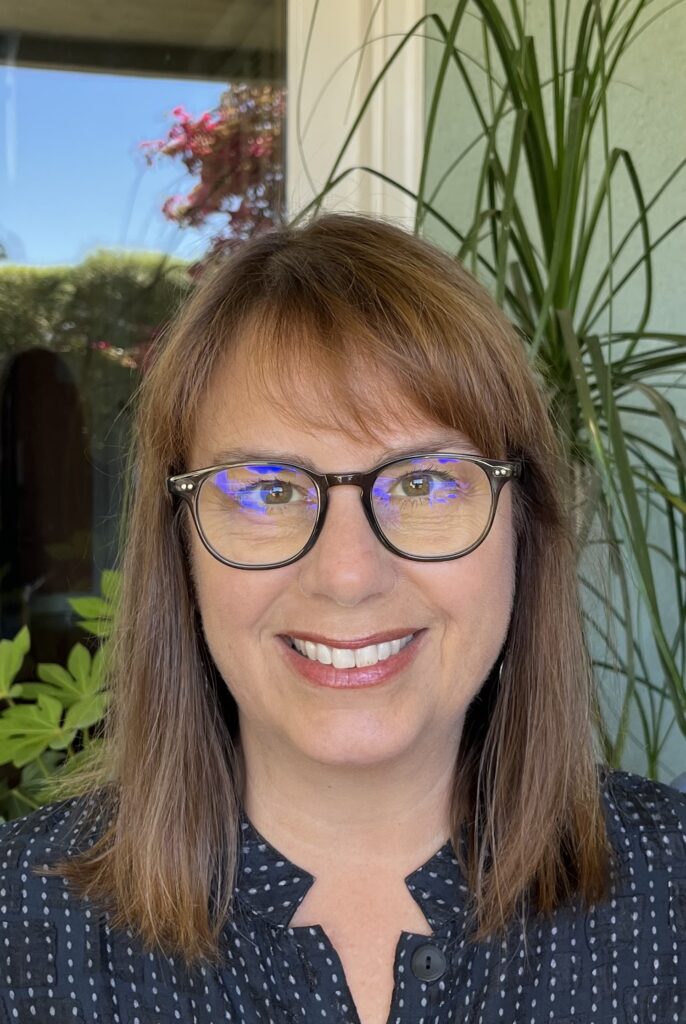
“We need to help young people feel empowered to make changes in their lives that will help them to feel less overwhelmed,” she told the committee. “…universal approaches to improving youth engagement will be preventive and support all youth to achieve better mental well-being.”
London went on to describe two specific examples of this approach from Santa Cruz County. First, she discussed the Hope Squad peer-to-peer suicide prevention program at Scott’s Valley High School, which counselors say has not only prevented student deaths, but has also supported overall social and emotional development for students.
Next, she described a partnership between UC Santa Cruz and United Way that supported students from United Way’s Jóvenes Sanos program in conducting professional-quality research to better understand community mental health needs and then carrying out a targeted action plan to address the findings. It’s a great example of a university-community partnership model called youth participatory action research, or Y-PAR for short.
“The 60 or more youth who came through the project over its two years had the opportunity to learn, to think, and to do something about a problem in their community,” London explained to the committee. “Their reflections on the work demonstrate their strong belief that the community needs to learn from youth to understand the problems youth face, and that youth have agency to act in ways that support themselves and their community.”
London advised the committee to support more youth-led and peer-to-peer initiatives like these, and to prioritize hearing from youth directly about their needs and experiences. She also said there are policy solutions that can help build youth resilience starting from an early age.
London has conducted extensive research on the importance of recess for children’s social and emotional development and educational achievement. She previously testified in support of California SB 291, the Recess for All Act, which was passed in 2023 to guarantee recess time for all elementary school students in the state. But the law left out middle school students and didn’t provide funding or guidance for schools on recess programs and infrastructure. London urged the committee to help close those remaining gaps.
“A well-designed recess can build school climate and improve student outcomes,” she said. “But without attention, recess can become the breeding ground for negative experiences.
London says initiatives to build upon the existing law could help ensure that all students “have access to safe and healthy play, which will support their ongoing mental health and well-being.”